For an Easter curry, soup or dessert that needs a creamy coconut base, start with tinned cooking coconut milk; consider a reduced-fat tin if a less rich result suits the recipe. For cereal, tea or cold drinks, choose a pourable coconut drink rather than assuming it will work like a cooking tin. If someone has a milk allergy, check the current pack’s milk-allergen and precautionary information: a vegan label alone does not establish suitability.
Who is this for?
Easter cooks making curries, soups or desserts
Choose a cooking product to suit the dish’s intended texture. Standard and reduced-fat tins differ in their stated coconut extract and fat content; check the recipe and the pack rather than relying on the words “coconut milk” alone.
Shoppers replacing milk in cereal, tea or cold drinks
Look for a pourable coconut drink. Some are fortified with calcium and vitamins, but that does not make them a direct texture substitute for tinned cooking coconut milk.
Households shopping for someone with a milk allergy
Check the exact product’s milk-allergen and precautionary information. The Food and Drink Federation’s guidance distinguishes vegan claims from allergen-free claims, and M&S labels its vegan Creamy Coconut Drink as unsuitable for people with a milk allergy.
What should you check?
Start with what the coconut product must do in the recipe or drink, then compare labels within the right format.
Standard tinned coconut milk
Consider it when: a curry, soup or dessert calls for a creamy coconut cooking ingredient.
Bear in mind: check fat and saturates on the pack if those figures affect your choice.
Reduced-fat tinned coconut milk
Consider it when: the dish can accommodate a less rich coconut ingredient.
Bear in mind: the cited M&S and Waitrose reduced-fat tins also list less coconut extract than their standard counterparts.
Pourable coconut drink
Consider it when: you need a drink or something to pour over cereal.
Bear in mind: fortification does not establish cooking equivalence or milk-allergy suitability.
| Priority |
What to check |
Your needs |
| Recipe format |
Check whether the pack is a cooking coconut milk or a pourable drink, and read its suggested uses. Compare coconut extract or cream percentages only with their stated ingredients and format in mind. |
For an Easter curry or dessert, I need a cooking ingredient rather than a drink chosen solely because its name says “coconut milk”. |
| Fat and coconut content |
Read fat and saturates per 100g or per 100ml, noting which basis the pack uses. Compare standard and reduced-fat versions alongside their coconut-extract percentages and the recipe’s requirements. |
A less rich sauce would suit my menu; for a dessert that relies on a creamy finish, I would check the recipe before changing to reduced-fat coconut milk. |
| Milk-allergen information |
Read the current ingredient list, milk-allergen wording and any precautionary statement on the exact pack. Do not use a vegan logo as a milk-allergen check: the Food and Drink Federation’s guidance treats these as separate claims. |
If a guest has a milk allergy, I need product-specific allergen information, not just a dairy-free or vegan cue. |
| Fortification |
For a drink replacing milk at the table, check the nutrition label for added calcium and vitamins. Koko Original Like Milk lists 120mg calcium per 100ml and vitamins D2 and B12; fortification does not establish how it will behave in a recipe. |
For cereal or tea, I want to know what the pourable drink contains without assuming it will give a curry the texture of tinned coconut milk. |
| Opened-pack storage |
Check refrigeration, transfer-container and use-by-after-opening instructions on the particular pack. The stated periods differ between the Tesco and Sainsbury’s tinned products cited here. |
If the recipe uses only part of a tin, I need a plan for the remainder that follows its pack instructions. |
Buying pitfalls
-
Assuming every coconut “milk” works the same way
M&S lists 8% coconut cream in its pourable Creamy Coconut Drink and 60% coconut extract in its standard tinned coconut milk. They are presented for different uses.
Choose by the recipe and the product’s stated use: a cooking coconut milk for a coconut-based curry or dessert, or a pourable drink for cereal and drinks.
-
Using a vegan label to judge milk-allergy suitability
The Food and Drink Federation distinguishes vegan from allergen-free claims. M&S Creamy Coconut Drink is labelled vegan but also says it is unsuitable for people with a milk allergy.
For a milk allergy, check the exact pack’s milk-allergen and precautionary information against the individual’s requirements.
-
Switching to reduced-fat coconut milk without checking the recipe
The cited reduced-fat M&S and Waitrose tins list both less fat and less coconut extract than their respective standard versions, a relevant difference when the dish depends on a rich coconut base.
Compare the pack’s fat, saturates and coconut-extract figures, then decide whether the recipe can accommodate the change.
-
Planning around the wrong opened-pack period
Tesco’s cited coconut milk specifies use within two days of opening, while Sainsbury’s own-label coconut milk specifies three days. Storage instructions therefore matter if a recipe uses only part of the pack.
Follow the particular pack’s instructions for transferring and refrigerating leftovers, and plan their next use within its stated period.
Brand references for coconut products
Tesco
Its grocery listings distinguish standard and light tinned coconut milk from pourable coconut drinks.
- Tesco Coconut Milk lists 51% coconut extract and is labelled suitable for vegans.
- Tesco advises checking the pack because recipes and allergen information can change.
Sainsbury’s
Its own-label 400ml tinned coconut milk is a cooking option for an Easter recipe shop.
- The listed product contains 68% coconut extract and specifies refrigeration and use within three days of opening.
- Sainsbury’s advises reading the product label because displayed ingredient information can change.
M&S
Its cited range includes standard and reduced-fat tinned cooking products and a pourable coconut drink.
- The standard and reduced-fat tins list 60% and 33% coconut extract respectively, giving shoppers two stated cooking formulations to compare.
- Its vegan Creamy Coconut Drink is labelled unsuitable for people with a milk allergy.
Waitrose
Its cited Essential tins include standard and reduced-fat coconut milk.
- The standard tin lists 60% coconut extract; the reduced-fat tin lists 23%.
- Waitrose directs shoppers with allergies or intolerances to check packaging allergen information.
Koko
Its cited products include Original Like Milk, a fortified pourable drink, and Cuisine Coconut Milk for cooking.
- Koko Original Like Milk lists 120mg calcium per 100ml and includes vitamins D2 and B12.
- Koko says its products are free from cow’s-milk protein and soya; shoppers with allergies should still check the exact pack.
Alpro
Tesco’s coconut-milk search listings include Alpro Coconut No Sugar and Alpro Barista Coconut long-life drinks.
- Check the particular carton and recipe before treating a coconut drink as a substitute for tinned cooking coconut milk.
Coconut milk options on Joybuy
These are coconut milk packs to consider for Easter cooking, including a reduced-fat tin, other cooking tins and a smaller carton. Match the pack and its current label to your recipe and any milk-allergen requirements.
 No image available
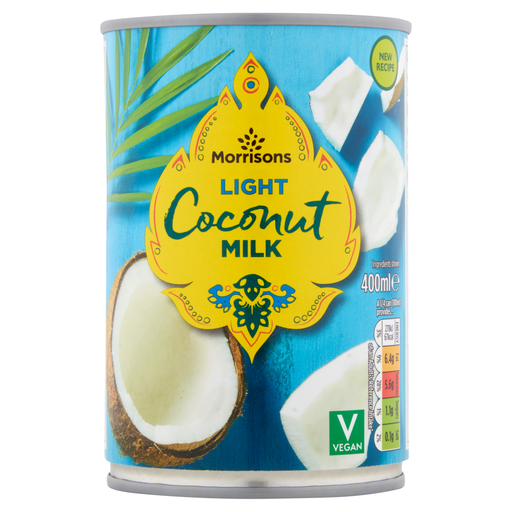
Morrisons Reduced Fat Coconut Milk 400ml
A reduced-fat cooking tin to consider for a curry, soup or sauce when the recipe can accommodate a less rich coconut ingredient. For a milk allergy, check the current pack’s milk-allergen and precautionary information rather than relying on vegan wording.
View on Joybuy
 No image available
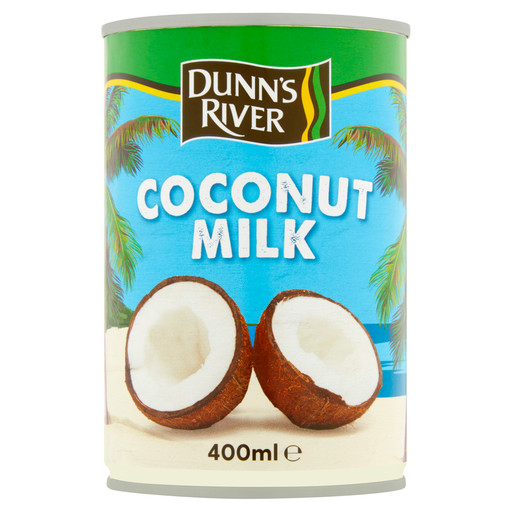
Dunns River Coconut Milk 400ml
A tinned cooking coconut milk to consider for curries, soups or desserts. Check the current nutrition panel if fat and saturates affect your choice, and read the pack’s allergen information if shopping for someone with a milk allergy.
View on Joybuy
 No image available
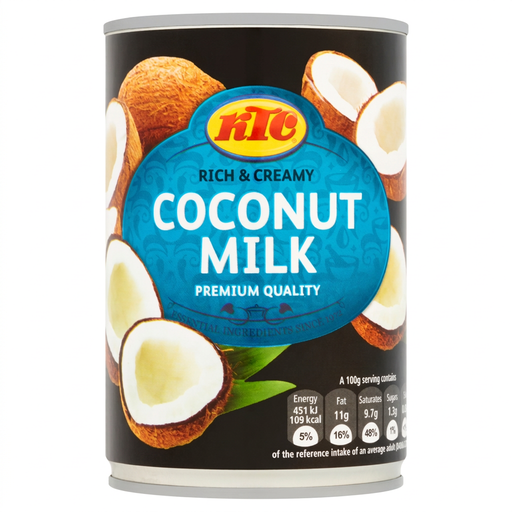
KTC Coconut Milk 400G
A cooking coconut milk pack to consider for a curry or dessert. Read the current nutrition and allergen labels to assess its fit for the recipe and anyone who needs to avoid milk.
View on Joybuy
 No image available
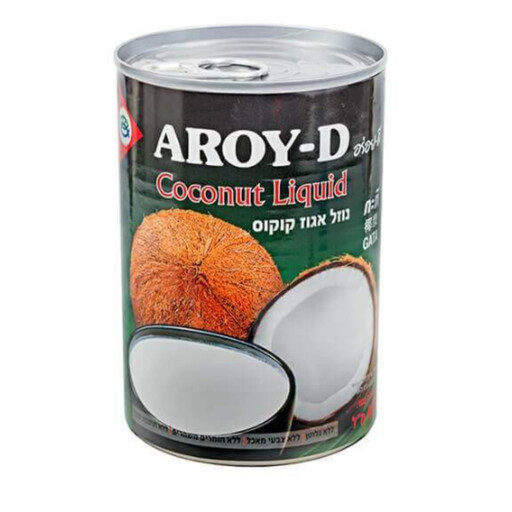
AROY-D Coconut Milk 17% Fat 400 ML
A 400 ML cooking tin to consider for savoury or sweet recipes. Its Joybuy product information says it may contain traces of milk due to the production environment, so it does not suit a requirement to avoid possible milk cross-contact.
View on Joybuy
 No image available
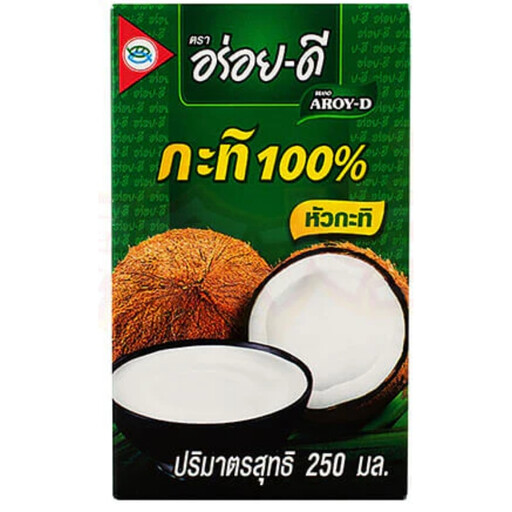
AROY-D Coconut Milk Carton 250ml
A smaller carton to consider when a recipe calls for coconut milk; check that its stated use and consistency suit the dish. Read the current pack’s milk-allergen and precautionary information if that affects your choice.
View on Joybuy
Frequently asked questions
Is a vegan coconut product suitable for someone with a milk allergy?
Not automatically. The Food and Drink Federation’s guidance says vegan and allergen-free claims are separate; M&S Creamy Coconut Drink, for example, is labelled vegan but unsuitable for people with a milk allergy. Check the current pack’s milk-allergen and precautionary information for the specific product.
Should I use tinned coconut milk or a coconut drink in an Easter curry?
If the curry calls for a creamy coconut base, start with a cooking coconut milk. M&S presents its standard tin for curries and lists 60% coconut extract, while its pourable Creamy Coconut Drink lists 8% coconut cream and is presented as a milk alternative. Follow the recipe’s specified ingredient where possible.
How should I store leftover tinned coconut milk?
Follow the instructions on the particular pack, including any direction to transfer the contents before refrigerating. Tesco and M&S specify use within two days of opening for their cited standard tins; Sainsbury’s own-label product specifies three days.
Does coconut milk separating in the cold mean it has spoiled?
Not necessarily: Tesco, Sainsbury’s and Waitrose describe separation or solidification at low temperatures. Follow the individual pack’s instructions, and do not use a product beyond its stated date or storage conditions.


