Families cooking coconut-based dinners regularly
Culinary coconut milk is the relevant format for curries and stews. A case of cans makes sense when several meals are planned, not simply because one meal is for a family.


For a family curry, stew or coconut dessert, start with culinary coconut milk rather than a 1-litre coconut drink. Buy a case of cans when several coconut-based meals are planned; for one dinner, check the recipe quantity and compare individual cans by coconut extract, fat and saturates. A 1-litre carton can also be a cooking ingredient, so check its intended use rather than judging by size alone.
Culinary coconut milk is the relevant format for curries and stews. A case of cans makes sense when several meals are planned, not simply because one meal is for a family.
Check the exact product’s fat and saturates per 100g or per 100ml, as well as its coconut extract. Those details vary between culinary coconut milks.
A coconut drink for porridge or smoothies is a different purchase from coconut milk for a sauce. Check the product description and ingredients before substituting one for the other.
Choose the cooking format your recipe calls for, then work out the quantity and compare the labels of products that meet that need.
| Priority | What to check | Your needs |
|---|---|---|
| Cooking format | Check whether the product is culinary coconut milk or a coconut drink, and read its intended uses and ingredients. A 1-litre size alone does not distinguish them. | I’m making a coconut sauce, so I need a cooking ingredient rather than a drink for cereal or smoothies. |
| Recipe quantity | Compare the amount specified by the recipe with the can or carton size. Consider a case of cans when several meals are planned. | For one dinner, I want the right amount for the recipe; for repeated meals, unopened cans can be kept for later use. |
| Coconut content | Read the coconut-extract percentage on the exact product and check its ingredient list. Sainsbury’s lists 54.55% for KTC 400ml and 70% for Aroy-D 400ml; M&S lists 60% for its 400ml can. | I want to compare ingredients when choosing coconut milk for a sauce, without assuming every can has the same composition. |
| Nutrition label | Compare fat and saturates on the same per-100g or per-100ml basis; do not treat those measures as interchangeable. Check a reduced-fat culinary can separately from a coconut drink. | If fat and saturates matter to my household, I want the figures for the exact can and the amount the recipe uses. |
| Opened-product storage | Follow the exact label’s instructions for transferring, refrigerating and using leftovers. Sainsbury’s KTC listing and the M&S coconut milk label both specify use within 2 days after opening. | I can plan another dish for any leftover coconut milk within the period stated on its label. |
Koko Unsweetened lists water first and 9% coconut milk, while Alpro describes its 1-litre product as a coconut drink. Neither should be assumed to give a curry the same result as a culinary can.
For a recipe calling for coconut milk as a cooking ingredient, check the intended use and ingredients before buying.
A case leaves unopened cans to store if coconut-based dishes are not part of the next few meal plans.
Check how much the recipe calls for and whether you expect to use the remaining cans before their best-before dates.
Coconut-extract and nutrition figures differ between exact products. A reduced-fat can is still a culinary option, but its label needs its own check.
Compare ingredients, fat and saturates on matching label measures, alongside what the recipe calls for.
The KTC listing at Sainsbury’s and the M&S coconut milk label instruct shoppers to transfer unused contents to a covered, non-metallic container, refrigerate them and use them within 2 days.
Follow the storage instructions on the can you buy and plan another use for any remainder.
These examples show why the exact product label matters; they do not indicate which products are stocked on Joybuy.
Tesco lists standard and light culinary coconut milk in 400ml cans alongside branded options.
Sainsbury’s lists KTC and Aroy-D 400ml culinary coconut milk with different coconut-extract percentages.
M&S lists 400ml culinary coconut milk and a reduced-fat version.
Waitrose lists Essential standard and reduced-fat culinary coconut milk in 400ml cans.
Alpro describes its 1-litre product as a coconut drink with added calcium and vitamins.
Koko Unsweetened is a 1-litre coconut-based drink.
These are cooking-format coconut milks: one 1-litre carton and individual cans or tins. Choose the amount your family recipe requires; this list is not a comparison of cases of cans or coconut drinks.
 No image available
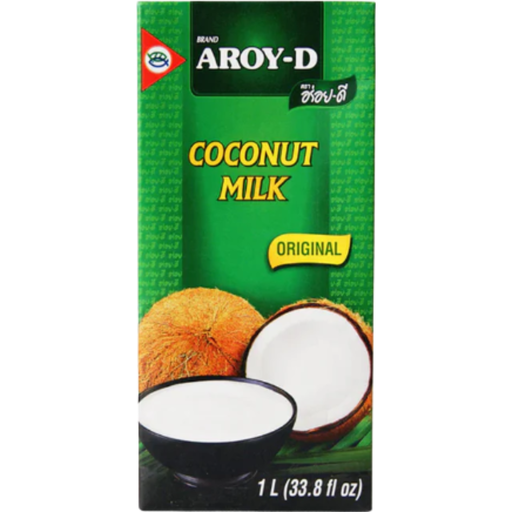
A cooking-format carton to consider when the recipe calls for a larger quantity of coconut milk. Check how much the dish uses and follow the carton’s instructions after opening.
 No image available
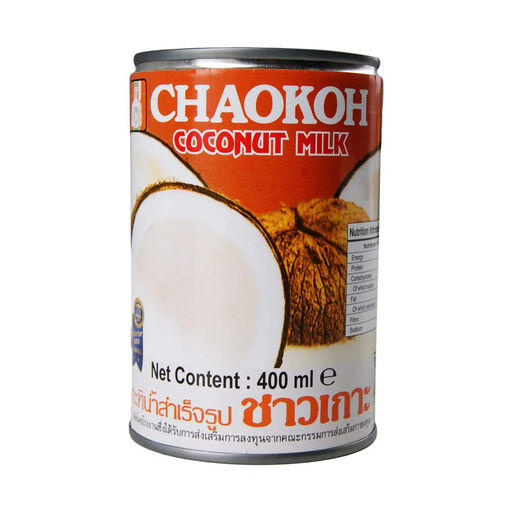
A single culinary tin for a recipe calling for coconut milk. Check the recipe quantity to decide how many tins to use, and compare its nutrition label with other tins on the same basis.
 No image available
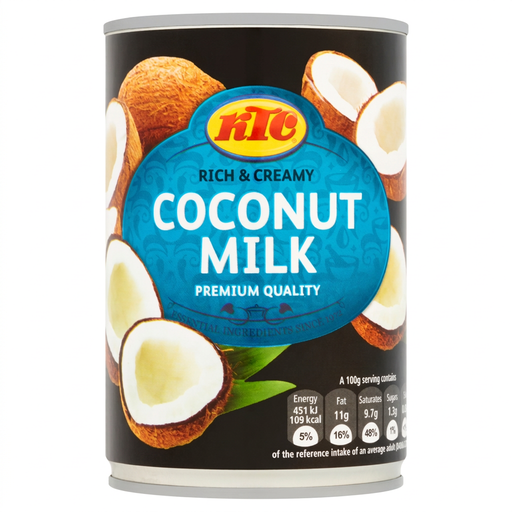
A single can to consider for a coconut-based curry or dessert. Check the recipe quantity and the exact can’s ingredients and nutrition label when comparing it with other sizes or variants.
 No image available
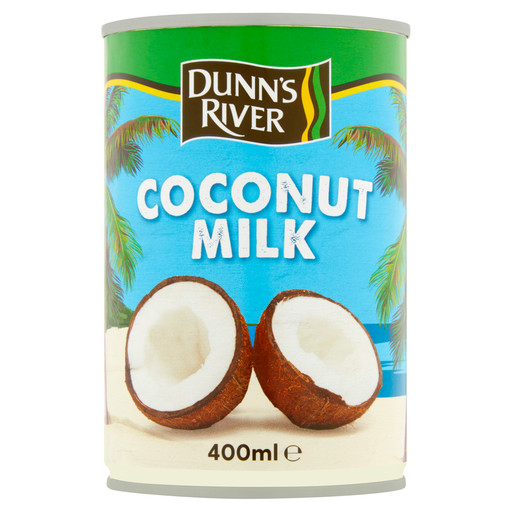
A single culinary can for a curry, stew or soup that calls for coconut milk. Work out the number of cans from the recipe and check the label’s nutrition and leftover-storage instructions.
 No image available
A single culinary can for recipes such as curries and soups. Compare its label with other cans if coconut content or nutrition affects your choice, and buy the quantity the recipe needs.
Choose culinary coconut milk when the recipe calls for it to make a coconut sauce. Alpro describes its 1-litre product as a drink, while the Koko Unsweetened drink listed by Tesco contains 9% coconut milk; do not assume either will give the same result as a cooking product unless the recipe specifically calls for it.
Compare coconut-extract percentages and fat figures on the exact culinary products, keeping per-100g and per-100ml figures distinct. Sainsbury’s lists 54.55% coconut extract for KTC 400ml and 70% for Aroy-D 400ml, while M&S lists 60% for its 400ml coconut milk; these figures describe those products, not every can from the brands.
Buy a case when you plan to use its unopened cans across several meals. Biona’s 6 x 400ml pack is one example; for a single dinner, start with the amount your recipe specifies rather than assuming a case is necessary.
Follow that can’s label. The Sainsbury’s KTC listing and the M&S coconut milk label instruct shoppers to transfer leftovers to a covered, non-metallic container, refrigerate them and use them within 2 days.
Check the exact pack’s ingredients and any precautionary statements. GOV.UK says that, for prepacked food, any of the 14 regulated allergens present as ingredients must be clearly labelled in the ingredients list; check the product you will actually use rather than relying only on a retailer description.