Bakers making dairy-free cakes
If the recipe uses coconut milk in place of dairy, check whether it calls for a tin. Marks & Spencer specifically suggests tinned coconut milk as a vegan-friendly alternative to dairy in baking.


When a cake recipe calls for coconut milk, start with a tinned culinary product; Marks & Spencer identifies tinned coconut milk as an alternative to dairy in baking, and Tesco describes Blue Dragon Coconut Milk as mild in flavour and suitable for desserts. Consider a light or reduced-fat tin if a less-rich result is acceptable. Use a carton coconut drink when the recipe calls for a pourable milk alternative, or test the substitution before relying on it in a recipe written for tinned coconut milk.
The useful starting point is the recipe: a request for coconut milk is different from a request for a pourable plant-based drink.
If the recipe uses coconut milk in place of dairy, check whether it calls for a tin. Marks & Spencer specifically suggests tinned coconut milk as a vegan-friendly alternative to dairy in baking.
A direct flavour description is more useful than assuming all coconut milks taste alike. Tesco describes Blue Dragon Coconut Milk as mild in flavour and suitable for desserts.
Reduced-fat coconut milk is an option when the recipe can accommodate a change in richness. Check the product and consider a small test bake if the cake's texture matters.
Choose the format the recipe calls for, then consider flavour, fat level and the current pack information. A percentage of coconut milk in a drink and a percentage of coconut extract in a tin describe different ingredient lists; neither predicts how a cake will turn out.
| Priority | What to check | Your needs |
|---|---|---|
| Recipe format | Check whether the recipe specifies tinned coconut milk or a pourable milk alternative. Marks & Spencer identifies tinned coconut milk for baking; Alpro and Koko list coconut drinks with different ingredients. | I want to use the type of coconut ingredient the recipe expects, rather than swap a drink for a tin without testing it. |
| Mild flavour | Look for a flavour description on the particular product. Tesco describes Blue Dragon Coconut Milk as having a mild coconut flavour and being suitable for desserts. | For this cake, I want a gentle coconut note alongside the recipe's other flavours. |
| Richness | Check the stated fat content and ingredient list, including the units used. Marks & Spencer lists 33% coconut extract and 9.3g fat per 100g for its Reduced Fat Coconut Milk; Joybuy lists 25% coconut extract and 6.2g fat per 100ml for Blue Dragon Light. | If I change from the full-fat tin named in a recipe, I can make a small test cake before depending on the substitution. |
| Ingredients and allergens | Read the current pack's ingredients and allergen statement for the exact product. Check any precautionary wording against the needs of the people eating the cake. | I need to know what is in the tin or drink I actually use, particularly when baking for someone with an allergy. |
| Leftovers | Check the pack's after-opening directions. Waitrose advises transferring leftover Essential and Duchy coconut milk to a non-metallic container and refrigerating it. | If the batter uses only part of a tin, I want to store the remainder as the product directs. |
Alpro Coconut No Sugars lists 14.1% coconut milk, while Koko Original lists 11%. These are drink formulations, not the same ingredient as a tinned culinary coconut milk, so the swap may change the batter.
Follow the recipe's format where possible. If using a drink instead, try the substitution in a small bake first.
Light and reduced-fat tins have different stated compositions from standard versions. A cake recipe that relies on coconut milk for richness may give a different result.
Choose a lighter tin deliberately, and test it before using it for a cake where texture is important.
Ingredients and allergen statements matter to anyone eating the finished cake, and the pack is the relevant check at the point of use.
Read the current pack for ingredients, allergen wording, date marking and storage directions before baking.
Waitrose's Essential and Duchy coconut milk directions call for unused contents to be transferred to a non-metallic container and refrigerated.
Set aside what the batter needs, then follow the particular product's instructions for storing and using the remainder.
These product lines illustrate the distinction between culinary coconut milk and coconut drinks; check the particular variant rather than applying one product's description to an entire brand.
Its standard and light 400ml coconut milks offer two tinned culinary options.
Its food-cupboard range includes coconut milk, reduced-fat coconut milk and coconut cream.
Its Essential and Duchy Organic lines include tinned coconut milk.
Alpro Coconut No Sugars is a pourable plant-based drink rather than a tinned culinary coconut milk.
Koko offers coconut drinks intended for drinks and cooking.
These options are culinary coconut milks, including a reduced-fat tin, to consider when baking a cake that calls for coconut milk. The documented mild-flavour description applies to the Blue Dragon product; check the flavour of other options against your recipe.
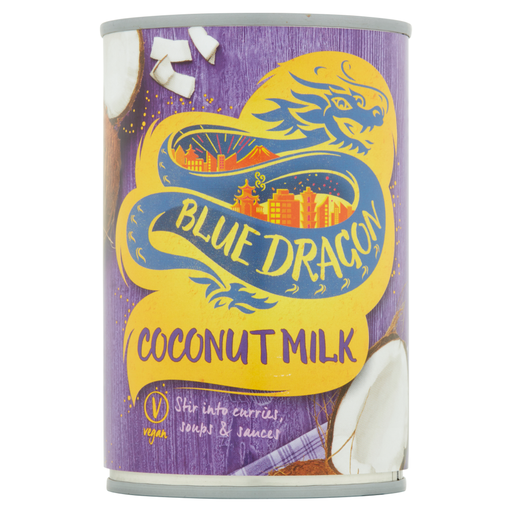 No image available
Consider this tin when a cake recipe calls for coconut milk and you want a gentle coconut note. Tesco describes this product as mild in flavour and suitable for desserts. Check the current pack's allergen statement before use.
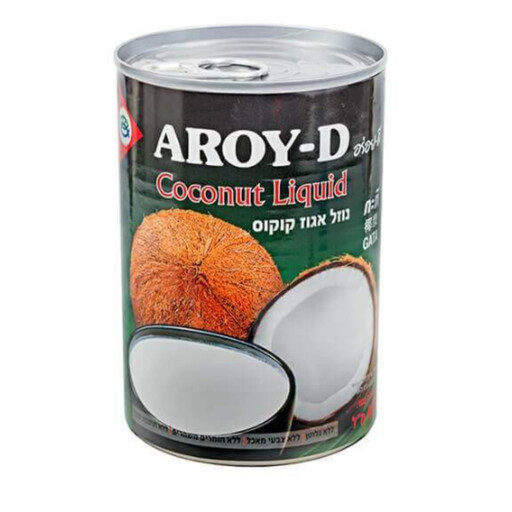
 No image available
This cooking coconut milk is an option to consider for a recipe specifying coconut milk. Its name states 19% fat and a 400ml size; check whether its flavour suits the cake rather than assuming it will taste mild.
 No image available
For a cake recipe calling for coconut milk, this is another culinary option to assess. The product name specifies 17% fat and 400 ML; check the current pack for flavour and allergen information relevant to the people eating the cake.
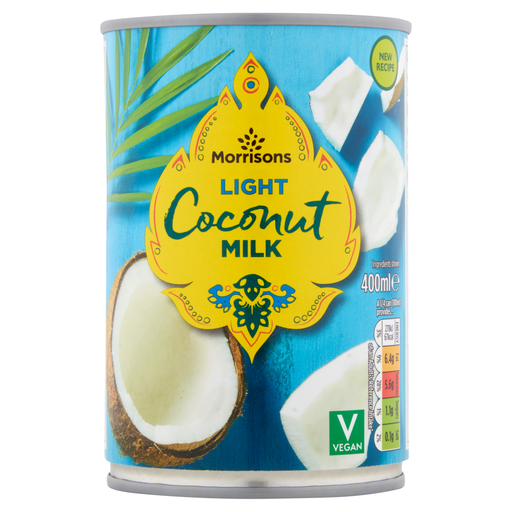 No image available
This canned reduced-fat option is worth considering when a less-rich cake is acceptable. It is a 400ml product; test the substitution if the recipe was developed for full-fat coconut milk, and check that its flavour suits the cake.
Use tinned coconut milk when the recipe specifies it; Marks & Spencer identifies that format as an alternative to dairy in baking. If the recipe instead asks for a pourable dairy-free milk alternative, a coconut drink may fit. Test a drink before substituting it in a recipe written for a culinary tin.
Look for a mild-flavour description for the particular product rather than judging by the category name. Tesco describes Blue Dragon Coconut Milk as mild and suitable for desserts; keep the coconut quantity consistent with your cake recipe.
You can try the substitution when a change in richness is acceptable, but do not assume the cake's texture will stay the same. Marks & Spencer lists 33% coconut extract and 9.3g fat per 100g for its Reduced Fat Coconut Milk. Make a small test bake if texture is important to the finished cake.
Read the current pack's ingredients and allergen statement for the exact coconut product before baking. Do not assume that another variant or a carton drink has the same ingredients or precautionary wording.
Follow the directions on the particular pack. Waitrose advises transferring unused Essential and Duchy coconut milk to a non-metallic container, refrigerating it and using it within two days.