
24/7 Customer Support

Free returns

Same-day & Next-day Delivery

Quality Guaranteed

Unlock Your Welcome Offers: FREE Delivery | Up to 80% OFF | Free 30-day JoyPlus trial
Download the APP
From a fragrant Thai green curry to a decadent mango sticky rice, the secret to authentic Southeast Asian flavour often lies in one essential ingredient: coconut milk. Yet, a quick look at the supermarket aisle reveals a confusing array of tins, cartons, fat percentages and additives. Choosing the wrong one can leave you with a watery curry or a grainy sauce, a far cry from the rich, creamy texture you were hoping for.
As the Joybuy Product Recommendation Officer, my role is to help you navigate these choices. We will look at the common pitfalls that lead to disappointing meals and highlight the key factors to check before you buy, ensuring you get the perfect coconut milk for your cooking needs.
Many home cooks in the UK find their dishes lack that restaurant-quality richness. Often, the issue stems from the coconut milk itself. Here are two frequent traps to avoid:
To get the right results every time, focus on these two core parameters.
The single most important factor for texture and richness is the fat percentage. This determines how the milk behaves when cooked.
The container can influence both convenience and flavour.
Based on these practical considerations, here are some recommendations matched to different cooking needs and preferences.

Why This Fits Their Persona: For those dedicated to recreating the authentic, rich flavour of a Thai curry, a high-fat, reliable coconut milk is non-negotiable. This product is designed specifically for cooking, ensuring a consistent result.
With a 19% fat content, this is a true full-fat coconut milk that sidesteps the "watered-down" trap, delivering the necessary richness to prevent a thin or split curry sauce.
The convenient carton ensures a smooth, homogenous texture without the metallic taste some associate with tins. Its high fat content guarantees a velvety finish for curries and soups.
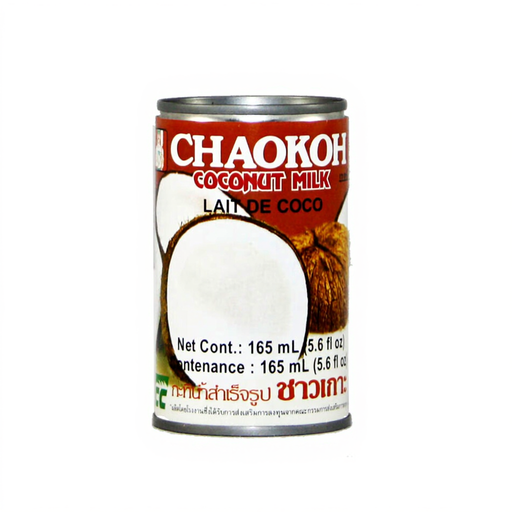
Why This Fits Their Persona: Ideal for those cooking for one or two, or for recipes that only require a small amount of coconut milk. This size minimises food waste and is easy to store in the pantry.
It avoids the problem of having a large, half-used container going bad in the fridge. The simple ingredient list (coconut extract, water, antioxidant) means you get a pure flavour without unnecessary additives.
The 165ml single-serving tin is perfect for reducing waste. Chaokoh is a globally recognised brand known for its consistent quality in traditional tinned coconut milk.
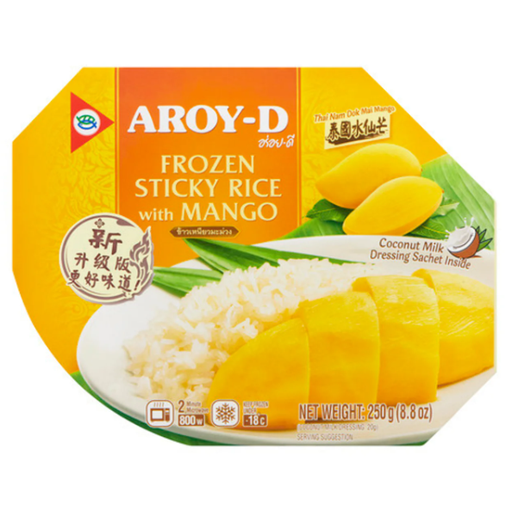
Why This Fits Their Persona: For those who crave the iconic Thai dessert mango sticky rice but lack the time or confidence to make it from scratch. This is a ready-made solution that delivers authentic flavour with zero effort.
This product removes all the guesswork. Instead of worrying about getting the coconut sauce consistency right, you get a perfectly balanced dessert where the sweet rice, ripe mango and rich coconut cream are all prepared for you.
Ultimate convenience. Simply thaw and serve for a restaurant-quality dessert at home. It uses sweet Namdokmai mango and a rich coconut cream for an authentic taste.
We have compiled a complete, real-time list of products that fully satisfy these strict selection criteria and UK safety regulations.
This is a natural and often desirable process, especially in products with few or no stabilisers. The dense, high-fat coconut cream rises to the top, leaving the thinner coconut water at the bottom. This is not a sign of a faulty product. For a smooth, uniform consistency, you can either shake the can vigorously before opening or simply stir the contents together.
It is not recommended. Coconut milk for cooking is a high-fat ingredient, similar to dairy cream, and is not formulated as a beverage. Coconut milk drinks sold in the chilled aisle are specifically designed for consumption, containing much more water, fewer calories and often added vitamins. Using cooking coconut milk as a drink would be overly rich and heavy.
Both are popular brands from Thailand, but they have some key differences. Aroy-D coconut milk is often sold in cartons and is known for its smooth, consistent texture, which is achieved with the help of stabilisers. This makes it very reliable for sauces. Chaokoh coconut milk is a classic tinned coconut milk brand, often with a simpler ingredient list that allows for natural separation of the cream. Some cooks prefer this separation as it allows them to use the thick cream and thin water for different purposes in a recipe. The choice often comes down to a preference for carton convenience versus the traditional qualities of tinned milk.