Home cooks making curries or soups
A culinary coconut-milk tin provides a ready-to-pour base. A creamed coconut block is an alternative if you want to prepare the amount and concentration your recipe calls for.


Choose a creamed coconut block if you want to measure out a concentrated ingredient for a curry or soup; choose a culinary tin when the recipe calls for ready-to-pour coconut milk. A reduced-fat tin changes the ingredient balance, while a coconut drink is not a direct substitute when the dish relies on coconut milk for body.
A culinary coconut-milk tin provides a ready-to-pour base. A creamed coconut block is an alternative if you want to prepare the amount and concentration your recipe calls for.
A block lets you measure out a portion rather than open a whole tin. Check the preparation and storage directions for the particular block: Waitrose & Partners lists directions for making coconut milk from the Blue Dragon block using 100g of block and 400ml of boiling water.
Compare nutrition panels and coconut-extract percentages on the same basis. M&S lists different figures for its standard and reduced-fat coconut milks, so the reduced-fat tin should not be assumed to produce the same result in a dish.
Start with the form your recipe needs, then compare labels and choose a pack you can use within its storage instructions.
| Priority | What to check | Your needs |
|---|---|---|
| Cooking format | Check whether it is a creamed coconut block, culinary coconut milk or a ready-to-drink product. Follow any block preparation directions rather than substituting it directly by volume. | I want a base for a curry, soup or dessert, not a drink chosen just because its name includes coconut milk. |
| Concentration | Compare the coconut content stated on the exact pack. Waitrose & Partners describes the Blue Dragon block as 100% coconut; Alpro UK lists 5.3% coconut milk in its Coconut Original drink. | If coconut provides much of the dish’s body, I need to know what I am adding before swapping one format for another. |
| Nutrition label | Compare saturated fat using the same quantity on each label. M&S lists 15.1g saturates and 60% coconut extract per 100g for its standard tin, versus 8.2g saturates and 33% coconut extract per 100g for its reduced-fat tin. | For this dish, I may prefer the reduced-fat version, but I do not want to assume it will give the same richness as the standard one. |
| Ingredients and allergens | Read the current ingredients list and any precautionary allergen wording. The Blue Dragon creamed coconut block carries a may-contain statement for peanuts and nuts. | Someone eating the dish may need me to check the actual pack, even if the main ingredient looks suitable. |
| Leftovers | Check the opened-pack instructions before choosing a size. Sainsbury’s specifies refrigeration and use within three days for its 400ml coconut milk; M&S specifies transferring its tins’ leftovers to a non-metallic container and using them within two days. | A whole tin works for a meal and planned leftovers; for occasional smaller portions, I would check whether a block fits my cooking plans better. |
Alpro UK lists 5.3% coconut milk in Coconut Original, a drink. It may not give a curry or soup the body expected from a culinary tin.
For a dish built around coconut milk, choose a cooking product or follow a recipe that explicitly uses a coconut drink.
M&S lists 33% coconut extract in its reduced-fat coconut milk and 60% in its standard version. That difference matters when coconut is the dish’s main source of richness.
Decide which label and recipe result matter more to you, rather than swapping tins without considering the change.
The Blue Dragon creamed coconut block carries a may-contain statement for peanuts and nuts. A coconut-based or plant-based description does not remove the need to check that warning.
Read the current pack’s ingredients and precautionary statements before buying or serving it to someone with an allergy.
Opened-pack instructions differ: Sainsbury’s specifies three days for its culinary tin, while M&S specifies two days for its tins after transfer and refrigeration.
Plan the next dish before opening a tin, or check a block’s storage directions if you expect to use small portions over several occasions.
Unused coconut milk may need to be discarded once the product’s opened-use period has passed.
These examples help distinguish formats and labels; a brand name alone does not tell you which coconut product a recipe needs.
Its creamed coconut block offers a solid cooking format; its coconut milk is a separate ready-to-pour product.
Its 400ml culinary coconut milk is a ready-to-pour option for recipes calling for coconut milk.
Its standard and reduced-fat 400ml culinary tins give shoppers two differently labelled options for cooking.
Coconut Original is a plant-based drink, not a conventional culinary coconut-milk tin.
Waitrose & Partners lists Essential standard and reduced-fat coconut milks in 400ml formats.
These options include a creamed coconut block and culinary coconut milks in tins and a carton for curries, soups and other cooked dishes. Choose by recipe format, pack size and the current label rather than treating them as interchangeable.
 No image available
A solid coconut format to consider when you want to measure out a portion for a curry or sauce rather than open a tin. Check the pack for preparation directions, its opened-use period and allergen information.
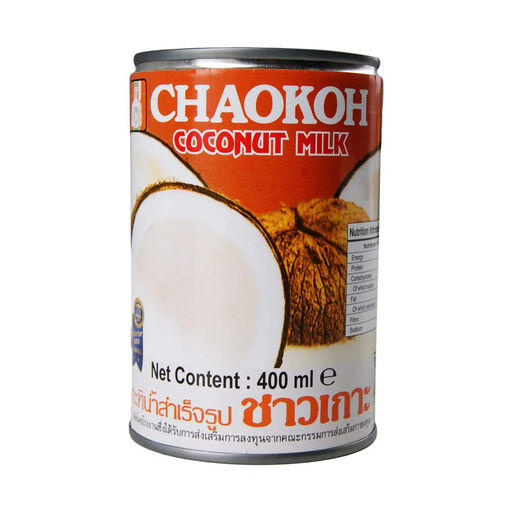 No image available
A tin for recipes that call for culinary coconut milk, including curries and soups. After opening, transfer unused contents to a non-metallic container, refrigerate and use within two days.
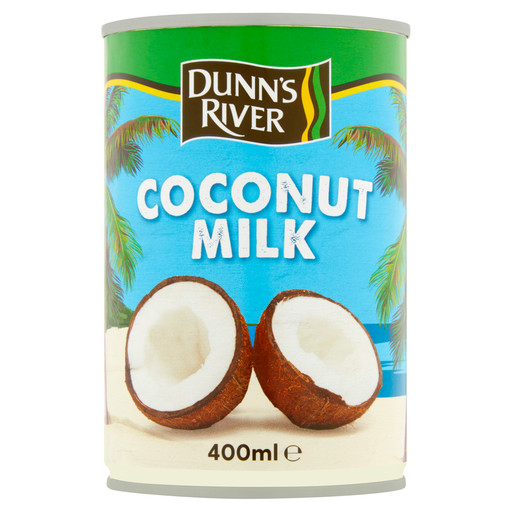 No image available
A culinary tin to consider for a curry, soup or stew that calls for coconut milk. Transfer unused contents to a non-metallic airtight container, refrigerate and use within two days of opening.
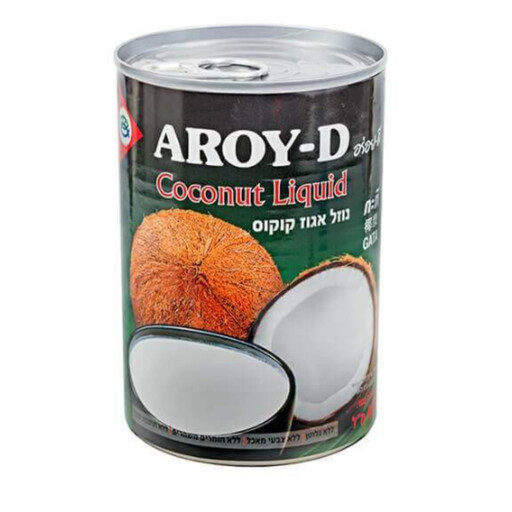 No image available
A culinary coconut milk for recipes such as curries, soups and sauces. Check the current pack’s precautionary allergen wording; after opening, refrigerate and use within three days.
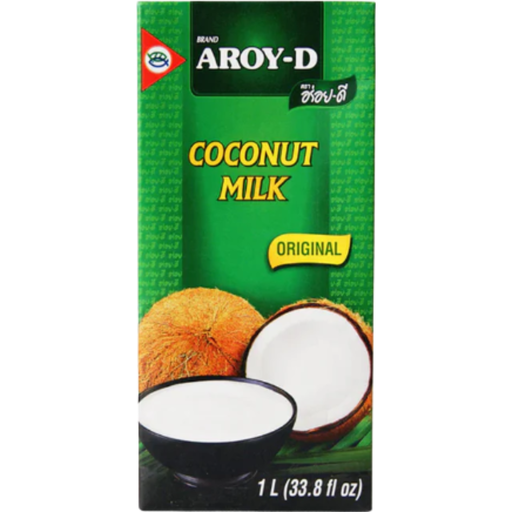 No image available
A larger culinary format to consider when making a batch of curry, soup or sauce. Plan how you will use the carton: after opening, refrigerate and consume within three days.
It can be used to prepare coconut milk, but do not substitute the solid block directly by volume. Waitrose & Partners gives directions for the Blue Dragon block using 100g of block added to 400ml of boiling water; follow the directions for the block you buy and check what your recipe requires.
Do not assume it will replace culinary coconut milk when the curry relies on coconut for body. Alpro UK lists 5.3% coconut milk in its Coconut Original drink; use a drink if the recipe calls for one or you are willing to change the result.
Compare the exact labels and decide whether the change suits your recipe. M&S lists 60% coconut extract and 15.1g saturates per 100g for its standard tin, compared with 33% coconut extract and 8.2g saturates per 100g for its reduced-fat tin; do not assume they will give identical richness.
Follow the instructions on the particular pack. Sainsbury’s specifies refrigeration and use within three days for its culinary tin; M&S specifies transferring leftover coconut milk from its tins to a non-metallic container, refrigerating it and using it within two days.
Read the current product label, including ingredients and any may-contain statement, before buying or serving it. The Food Standards Agency says allergens present in prepacked food must be emphasised in the ingredients list; the Blue Dragon creamed coconut block also carries a precautionary warning for peanuts and nuts.