Cooks planning a dairy-free curry
You need coconut milk that suits cooking, not just a product with “coconut” in its name. Check the exact pack’s ingredients and allergen information, especially if avoiding milk is essential.


For a curry, choose coconut milk intended for cooking rather than assuming a coconut drink will make the same sauce; a cooking product can come in a tin or a carton. If you are comparing standard and reduced-fat versions, check coconut extract and saturates using the same nutrition units. For milk avoidance, check the current ingredients and allergen information for the exact variant before buying.
You need coconut milk that suits cooking, not just a product with “coconut” in its name. Check the exact pack’s ingredients and allergen information, especially if avoiding milk is essential.
You want to compare what goes into the sauce alongside its saturated-fat content. Read the coconut-extract percentage and compare saturates on a consistent per-100g or per-100ml basis.
A dairy-alternative or barista carton may be intended for drinking or coffee. Check its intended use and ingredients before substituting it for cooking coconut milk.
Start with intended use and the exact ingredient label, then compare nutrition and pack size against the curry you plan to make.
| Priority | What to check | Your needs |
|---|---|---|
| Cooking use | Check whether the product is intended for cooking or ready to drink. Compare its coconut-extract percentage and ingredients; a carton can be a cooking product or a drink. | I want coconut milk that suits a curry sauce, not a beverage chosen because the name sounds similar. |
| Milk ingredients | Read the current ingredients and allergen declaration for the exact size and variant. Do not use “coconut” in the product name as a milk-free guarantee. | If I need to avoid milk, I need to check the specific pack I will use. A Coconut Palm coconut-juice variant listed by Joybuy declares sodium caseinate (milk). |
| Saturates | Compare figures with the same units. Marks & Spencer lists 15.1g saturates per 100g for its standard coconut milk and 8.2g per 100g for its reduced-fat version; their coconut-extract figures are 60% and 33% respectively. | Reducing saturated fat matters to me, but I also want to know how the formulation differs before changing my curry recipe. |
| Pack and storage | Check the amount your recipe uses and the pack-specific instructions after opening. Sainsbury's lists refrigeration and use within 3 days for its examined tin; Waitrose & Partners lists use within 2 days for its Kingfisher product. | A pack that fits my batch helps me plan what to do with any coconut milk left over. |
Some cartons are cooking coconut milk, while others are drinks made for drinking or coffee. The Joybuy Coconut Palm 1L product is described as ready to drink and lists sugar among its ingredients.
Check intended use and ingredients rather than choosing by packaging alone. For a curry, compare cooking coconut milk in either a tin or a carton.
Formulas differ between products and variants. A Joybuy coconut-juice variant lists sodium caseinate (milk), so its coconut name does not establish milk-free suitability.
Check the current ingredients and allergen information for the exact variant before checkout and again on the pack received.
“Reduced fat” does not tell you the saturates figure or coconut content. Marks & Spencer lists different values for its standard and reduced-fat coconut milks, both measured per 100g.
Compare saturates using matching per-100g or per-100ml figures, and check coconut extract if the formulation matters to your recipe.
Storage instructions vary: the examined Sainsbury's coconut milk says to refrigerate and use within 3 days, while the Waitrose-listed Kingfisher product says to use within 2 days.
Plan the quantity you need and follow the storage and use-within instructions on the pack you buy.
These examples illustrate label differences between cooking coconut milk and coconut drinks; check the individual product rather than applying one description across a brand.
Its examined 400ml coconut milk is a cooking product with 68% coconut extract.
Marks & Spencer lists standard and reduced-fat coconut milk products.
Waitrose & Partners lists cooking coconut milks including Duchy Organic and Kingfisher products.
The examined Alpro product is a chilled barista coconut drink, not a tinned curry ingredient.
Tesco Groceries lists a Koko dairy-free alternative drink in its coconut-drinks category.
These coconut milk tins and cartons offer different pack sizes to consider for curry night. Confirm each product’s cooking directions and current allergen information for the exact pack you choose.
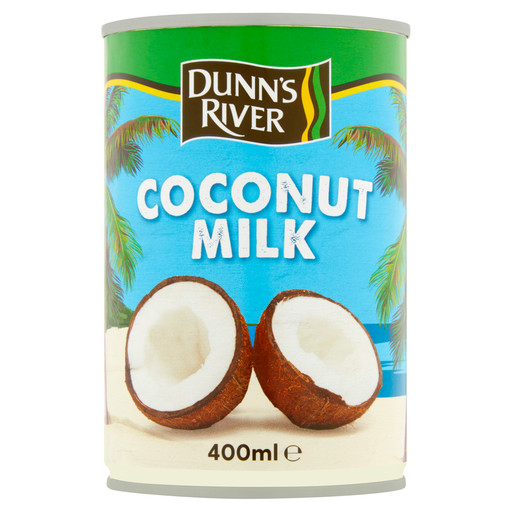 No image available
For a curry using coconut milk, compare this 400ml option’s cooking directions and saturates with other products. Check the current pack’s ingredients and milk allergen information before use.
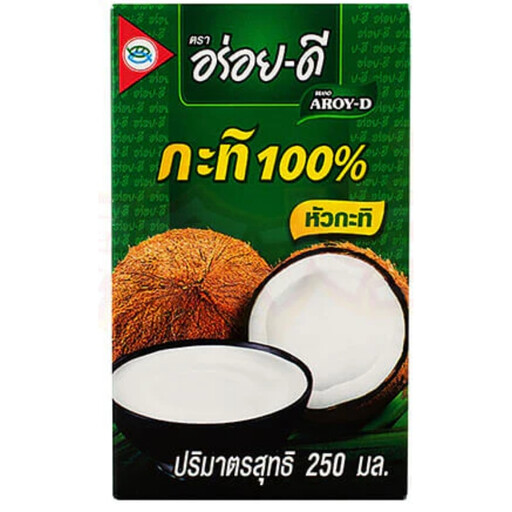 No image available
The 250ml carton is a size to consider for a smaller curry batch. Check its cooking directions, saturates and current ingredient and allergen information for the exact pack.
 No image available
This 400ml can is a cooking-format option for a curry. Compare the current pack’s coconut content and nutrition information, and check its ingredients and allergen declaration if avoiding milk.
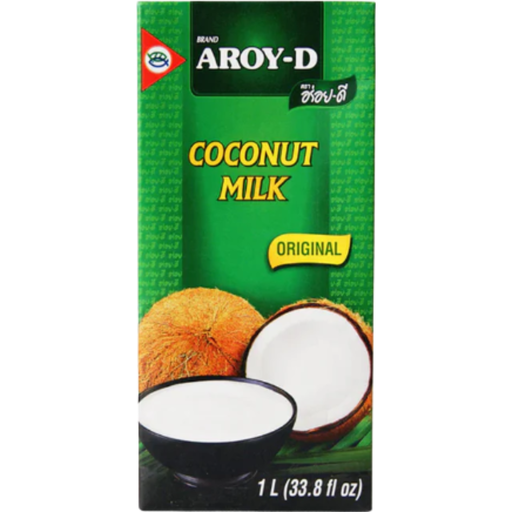 No image available
The 1L carton may suit a recipe that calls for a larger quantity of coconut milk. Check the cooking directions, post-opening storage instructions and current milk allergen information; carton size alone does not establish intended use.
No: check the product’s intended use rather than treating the names as interchangeable. Cooking coconut milk can come in a tin or a carton, while the Joybuy Coconut Palm 1L product is described as ready to drink and lists sugar among its ingredients.
Read the current ingredients and allergen information for the exact variant and check the physical pack when it arrives. The Food Standards Agency provides UK allergen-labelling guidance, and a Joybuy coconut-juice variant lists sodium caseinate (milk) despite its coconut name.
Choose according to the formulation your recipe calls for and the saturates figure you want to compare; do not assume the two versions are identical. Marks & Spencer lists 15.1g saturates and 60% coconut extract per 100g for its standard product, against 8.2g saturates and 33% extract per 100g for its reduced-fat product.
Follow the instructions on the particular pack. The examined Sainsbury's coconut milk says to refrigerate and use within 3 days; Waitrose & Partners lists refrigeration and use within 2 days for its Kingfisher product.