Allergy-aware roast-dinner cooks
If you avoid milk, gluten, soya, peanuts or tree nuts, match the current pack’s ingredients and precautionary wording to your particular requirement. A product described as vegan may still carry an allergen warning.


For a roast sauce that calls for coconut richness, start with cooking coconut milk rather than a coconut drink; consider a reduced-fat tin if a lighter result suits the recipe. If you need to avoid an allergen, check the current pack’s ingredients and precautionary wording for that specific allergen—a vegan claim alone is not an allergen guarantee.
If you avoid milk, gluten, soya, peanuts or tree nuts, match the current pack’s ingredients and precautionary wording to your particular requirement. A product described as vegan may still carry an allergen warning.
For gravy, soup or a vegetable side that needs coconut richness, compare cooking coconut milk with coconut drinks before choosing. Their stated ingredients and intended uses differ.
If the sauce’s richness matters, check coconut extract and fat per 100ml rather than assuming the two formats will give the same result. Waitrose & Partners lists different amounts for its Essential standard and reduced-fat products.
Choose the format for the dish first, then check the exact pack against any ingredients or allergens you need to avoid.
| Priority | What to check | Your needs |
|---|---|---|
| Allergen suitability | Read the current ingredients and any precautionary statement. Check each allergen you avoid; do not use a vegan or dairy-free claim as a shortcut for other allergens. | I need the particular pack to fit my avoidance requirements. The Blue Dragon cooking milk listed by Sainsbury’s is marked suitable for vegans but says it may contain peanuts and nuts. |
| Cooking format | Check whether the product is intended for cooking or as a drink. Tesco Groceries lists 9% coconut milk in the Koko drink; its own cooking tin lists 51% coconut extract. | For a creamy roast sauce, I want a cooking ingredient rather than a pourable dairy-alternative drink. |
| Standard or reduced-fat | Compare coconut extract and fat on the same measurement basis. Waitrose & Partners lists 60% extract and 18.1g fat per 100ml for Essential standard coconut milk, against 23% and 6.2g per 100ml for its reduced-fat version. | A lighter sauce would suit my recipe, or I may prefer the standard tin where coconut richness is central. |
| Ingredients and storage | Read the full ingredient list if particular additives matter to you. Check the pack’s instructions for refrigerating and using any coconut milk left after opening. | I want to know what is in the product and whether I can use the remainder for another dish within the pack’s stated storage period. |
A drink intended as a dairy alternative may not give the sauce the coconut richness the recipe expects. Tesco Groceries lists 9% coconut milk in the Koko drink, while its cooking coconut milk lists 51% coconut extract.
Start with a cooking product when the recipe calls for coconut milk in a creamy gravy, sauce or vegetable dish. Use a drink when the recipe calls for one, or when you intend to adjust it.
Sainsbury’s lists Blue Dragon Coconut Milk as suitable for vegans while also stating that it may contain peanuts and nuts. Those statements answer different questions.
Check the current pack for the exact ingredients and precautionary warnings relevant to the person eating the meal.
Waitrose & Partners lists 23% coconut extract and 6.2g fat per 100ml in Essential reduced-fat coconut milk, compared with 60% and 18.1g per 100ml in its standard version.
Choose the reduced-fat version when a lighter result suits the dish; do not assume it will replace the standard version without changing the sauce.
Ingredients and allergen information can change, which matters when a roast dinner is being prepared for someone with an allergy.
Read the physical pack at each purchase rather than relying only on a previous order or saved product page.
These examples illustrate different formats and label details; suitability for an allergen depends on the exact product and current pack.
Tesco’s 400ml own-label cooking coconut milk is a cupboard-format option for savoury recipes.
Sainsbury’s own-label 400ml coconut milk is a tinned cooking product.
M&S lists a cooking coconut milk made with coconut extract and water.
The Essential range provides standard and reduced-fat coconut milk for cooking.
Koko’s unsweetened coconut product is a dairy-alternative drink, not a tinned cooking coconut milk.
Alpro describes its coconut products as drinks for milk-replacement uses rather than as cooking coconut milk.
These cartons and cans are presented for cooking uses such as sauces and savoury dishes. Check the current pack against any allergens you need to avoid, particularly where a product carries a precautionary warning.
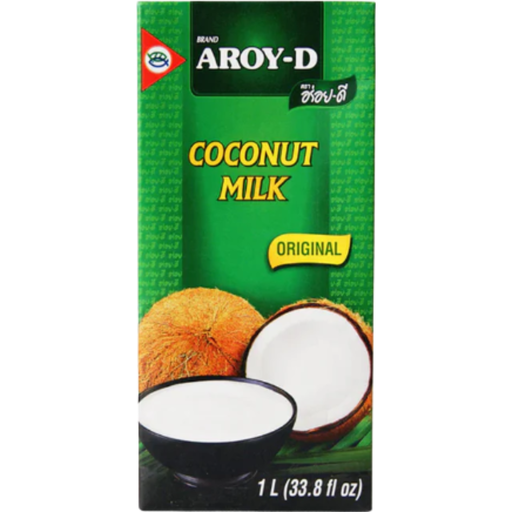 No image available
A carton presented for cooking in sauces and soups. Check the pack’s ingredient and precautionary wording against any allergens you avoid.
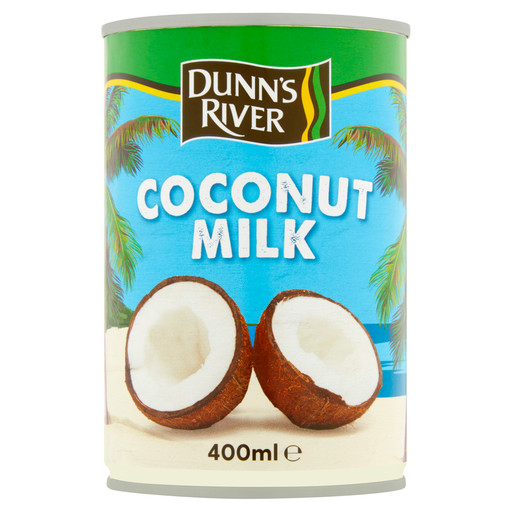 No image available
A cooking tin to consider for a savoury sauce or vegetable dish. Check the current pack’s ingredients and precautionary wording rather than treating a general allergen declaration as a guarantee for every avoidance need.
 No image available
A cooking carton for recipes that call for coconut milk. Its listing cautions people with tree-nut sensitivities; check the current pack against your specific avoidance requirements.
 No image available
A 400ml can presented for cooking, including sauces. Its listing cautions people with tree-nut sensitivities; read the current pack for the allergens relevant to your meal.
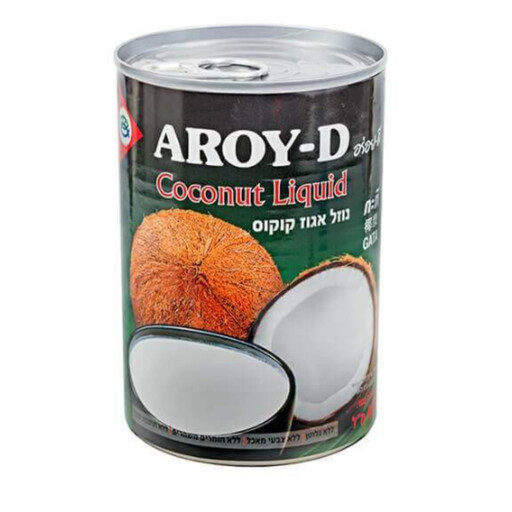 No image available
A cooking tin for savoury recipes. The listing says it may contain traces of soya and milk; take that warning into account if either is an allergen you avoid, and check the current pack.
No. They are sold for different uses: Tesco Groceries lists 9% coconut milk in the Koko dairy-alternative drink and 51% coconut extract in its own cooking tin. If a roast sauce calls for cooking coconut milk, start with that format rather than assuming a drink will give the same result.
No. Sainsbury’s lists Blue Dragon Coconut Milk as suitable for vegans but also says it may contain peanuts and nuts. Read the current pack’s ingredients and precautionary wording for the allergens you need to avoid.
Check the ingredients and any precautionary allergen statement for the exact product. GOV.UK guidance says UK food businesses must provide information when any of the 14 regulated allergens are used as ingredients; your choice still needs to account for warnings relevant to your own avoidance requirements.
Yes, if a lighter result suits the recipe, but do not expect it to match a standard tin. Waitrose & Partners lists 23% coconut extract and 6.2g fat per 100ml for Essential reduced-fat coconut milk, against 60% and 18.1g per 100ml for its standard version.
Follow the instructions on the particular pack and refrigerate it where directed. Storage periods differ by product: the Waitrose & Partners Essential standard listing says to use it within two days of opening, while the Sainsbury’s Aroy-D listing says within three days.