Families cooking one shared dinner
A curry, soup or sauce can use coconut milk as a cooking ingredient. Plan the amount for the whole recipe rather than choosing a pack solely around a toddler’s portion.


For a shared curry, soup or sauce, choose coconut milk by the quantity the recipe needs, then check the exact pack’s ingredients, saturated-fat information and instructions for using it after opening. Treat it as a cooking ingredient, not as a replacement for the milk or suitable fortified alternatives discussed in NHS guidance for young children. A reduced-fat version is worth considering when a less rich sauce suits the recipe, but compare the labels rather than assuming every version has the same composition.
The useful pack size and product type depend on the dinner you are making and how much coconut milk you expect to use.
A curry, soup or sauce can use coconut milk as a cooking ingredient. Plan the amount for the whole recipe rather than choosing a pack solely around a toddler’s portion.
Coconut milk may work in a cooked recipe, but the product name alone cannot establish whether a particular pack meets a child’s allergy requirements. Check its ingredients and allergen information.
Consider whether separate smaller packs or one larger carton fit the recipes you have planned, particularly if some coconut milk would remain after opening.
Start with the quantity your recipes require. Then compare product labels and work out when you would use any opened coconut milk.
| Priority | What to check | Your needs |
|---|---|---|
| Role in the meal | Check whether the recipe calls for coconut milk as an ingredient rather than a drink. Consider the child’s other milk or dairy foods separately; NHS guidance addresses these as part of young children’s diets. | I’m using coconut milk to make a family sauce, not choosing my toddler’s everyday milk drink. |
| Richness | Read saturated fat on the exact label and note whether the figure is per 100ml or per 100g. Waitrose & Partners lists both standard and reduced-fat 400ml coconut milk; compare their packs rather than assuming a particular reduction. | A less rich sauce may suit this dinner, or the recipe may call for the texture of standard coconut milk. |
| Ingredients and allergens | Read the physical pack’s full ingredient list, allergen statement and any precautionary information. Cambridge University Hospitals NHS Foundation Trust advises checking food labels when preparing milk-free recipes for toddlers. | If I’m cooking around an allergy, I need to assess this particular pack against the child’s requirements—not rely on the word “coconut”. |
| Pack size and leftovers | Match the can or carton to the recipe quantity. Check its refrigeration and use-after-opening instructions: Sainsbury’s lists three days for its 400ml coconut milk, while Blue Dragon and Duchy Organic list two days for their products. | I’m making more than one dinner and want to know whether I can use an opened pack within its stated period. |
Canned coconut milk can give a dish coconut flavour and texture, but that does not make it equivalent to the milk, dairy foods or suitable fortified alternatives discussed in NHS guidance for young children.
Choose it for the recipe. If your child needs an alternative everyday drink, assess that separately with an appropriate health professional.
The NHS advises checking labels when choosing foods for young children. Coconut-milk labels can report nutrition per 100ml or per 100g, so figures on different bases should not be treated as a direct product ranking.
Read the selected pack’s nutrition panel and use the quantity the recipe calls for. Compare a reduced-fat option on its own label if you want a less rich sauce.
“Coconut milk” does not tell you everything about a particular product’s ingredients or possible cross-contact. This matters when the meal must meet a child’s allergy requirements.
Check the physical pack’s ingredients and allergen information each time, including any precautionary statement relevant to the child.
Instructions differ between products: Sainsbury’s lists three days after opening for its 400ml can, while Blue Dragon and Duchy Organic list two days for their coconut milks.
Before choosing several cans or a larger carton, plan when you would use the remainder and follow that pack’s storage directions.
An opened pack that cannot be used within its stated period may lead to food waste.
These examples show why the exact product label matters more than a brand name when choosing coconut milk for a family recipe.
Sainsbury’s lists a 400ml canned coconut milk for cooking.
Waitrose & Partners lists standard and reduced-fat Essential coconut milk in 400ml cans, alongside Duchy Organic coconut milk.
Waitrose & Partners describes its 400ml Duchy Organic coconut milk for curries, soups and desserts.
Blue Dragon describes its canned coconut milk for curries, soups, sauces and desserts.
Laila lists a 400ml Rich & Creamy canned coconut milk.
These cans and cartons offer different quantities for a shared dinner, from a 250ml carton to a 1L carton. Choose by the recipe amount and check the pack for nutrition, allergens and storage instructions before cooking.
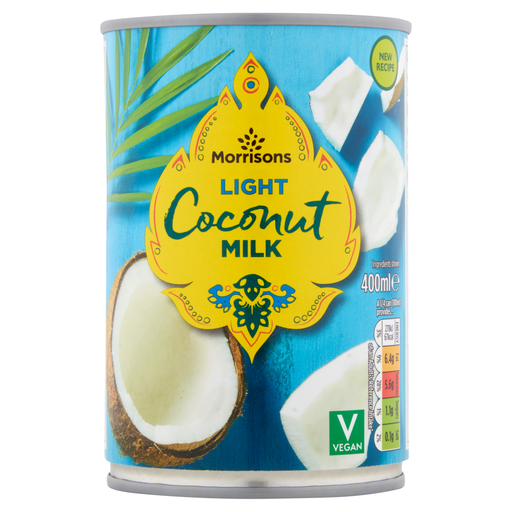 Image unavailable
A 400ml reduced-fat can to consider when the family recipe calls for coconut milk but you want to compare a less rich option. Read its nutrition panel and opened-can directions; check the physical pack’s allergen information if cooking for a child with an allergy.
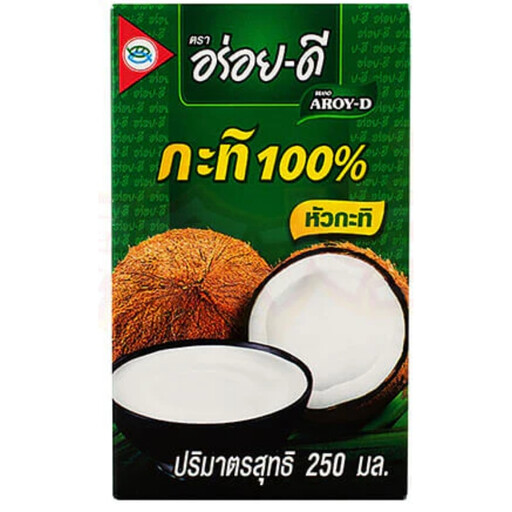 Image unavailable
The 250ml carton is an option when a recipe needs less coconut milk than a larger pack contains. It is not presented as reduced-fat; check its nutrition label, allergen information and instructions for any remainder after opening.
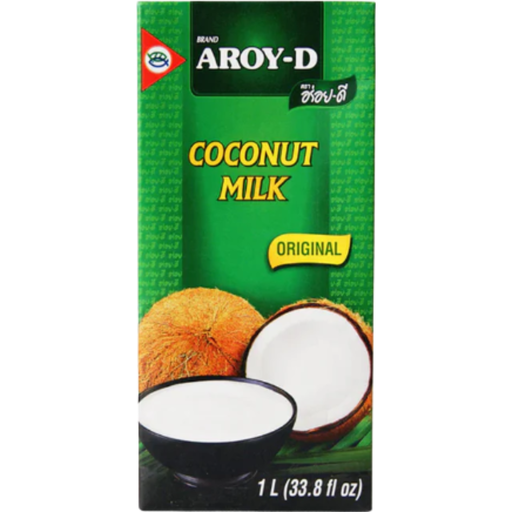 Image unavailable
The 1L carton fits a recipe calling for a larger quantity, or a plan that will use the remainder as directed after opening. Check the pack’s saturated-fat, allergen and storage information before choosing it for a toddler’s shared dinner.
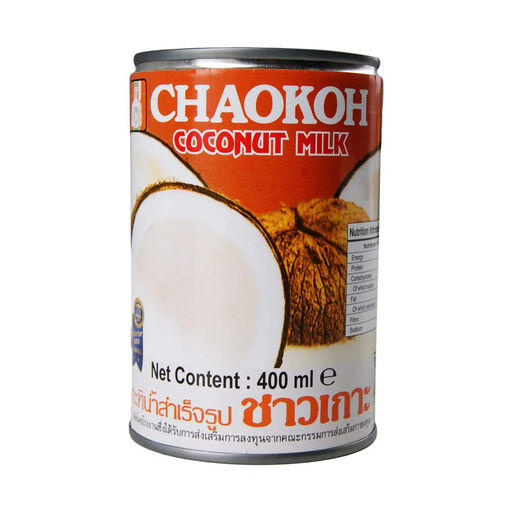 Image unavailable
This 400ml can is a standard coconut-milk option for a family cooking recipe. It is not presented as reduced-fat; use the physical can to check its nutrition, allergen and opened-can instructions.
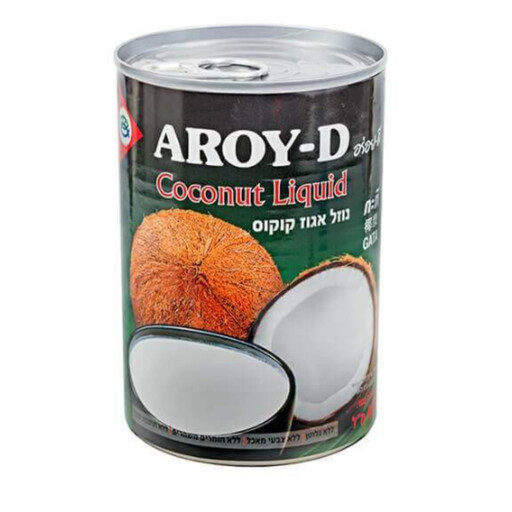 Image unavailable
This 400ml can specifies 17% fat in its product name, making the pack’s nutrition panel important when comparing recipes. Its product information warns that it may contain traces of milk and soy; check the physical pack against the child’s allergy requirements before using it.
Canned coconut milk can be used as an ingredient in a shared curry, soup or sauce. Choose the recipe quantity and check the product label; assess the child’s everyday milk or suitable alternative separately, in line with NHS guidance for young children.
Coconut milk is not inherently cow’s milk, but the category name cannot establish the ingredients or cross-contact information of every product. Check the exact pack’s ingredient and allergen statements, especially when cooking for a child with an allergy.
Choose according to the sauce your recipe calls for, then compare the exact packs’ nutrition information. Waitrose & Partners lists both standard and reduced-fat 400ml options, but the type name alone does not establish a particular saturated-fat difference or how either will behave in your recipe.
Follow the instructions on the particular pack. Sainsbury’s specifies refrigeration and use within three days for its 400ml coconut milk; Blue Dragon and Duchy Organic specify two days for their products, with Duchy Organic also directing shoppers to transfer unused contents to a non-metallic container.
No particular pack format is necessary: match the total quantity to your recipes and decide whether you can use an opened pack within its stated period. Separate cans or cartons let you open only what a meal needs; a larger carton makes sense when the planned cooking will use it in time.