Families trying a coconut-based meal
Use a familiar curry or sauce as the starting point and offer a small amount of the finished dish without pressure. NHS guidance says a child may need many opportunities to try a food before accepting it.


For a curry, soup or sauce, start with a cooking coconut milk rather than assuming a coconut drink will give the same result: the Tesco, Sainsbury's, M&S and Waitrose cans are listed for cooking, while Koko and Alpro sell the products discussed here as drinks. If an allergy matters, check the current pack for the exact allergen and any precautionary wording; offer a small amount of the finished meal without pressure, bearing in mind NHS guidance that children may need many attempts to accept a food.
The right coconut product depends on the meal you are making and whether anyone eating it needs to avoid a named allergen.
Use a familiar curry or sauce as the starting point and offer a small amount of the finished dish without pressure. NHS guidance says a child may need many opportunities to try a food before accepting it.
Check each product's current ingredients and precautionary allergen statements against the allergens that matter at home. Coconut-based or vegan wording alone does not establish suitability.
Check whether the recipe calls for cooking coconut milk or a coconut drink. The Tesco, Sainsbury's, M&S and Waitrose cans list coconut extract, while the Koko and Alpro products discussed here are formulated as drinks.
Choose the format for the dish first, then check the exact pack for allergens and preparation instructions before serving.
| Priority | What to check | Your needs |
|---|---|---|
| Allergen suitability | Read the current ingredients and any precautionary allergen statement. Look for wording that names the particular allergen you need to avoid, rather than relying on a vegan claim. | I need to check this specific product against the allergies in my household, not assume every coconut product has the same labelling. |
| Cooking format | Check whether it is sold as cooking coconut milk or a coconut drink. Tesco, Sainsbury's, M&S and Waitrose list 51%, 68%, 60% and 60% coconut extract respectively for the cans discussed here; Koko and Alpro list 9% and 5.3% coconut milk respectively in their drinks. These are different ingredient descriptions, not a like-for-like measure of finished thickness. | For a curry or sauce, I want a product intended for cooking rather than swapping in a drink without adjusting the recipe. |
| Introducing the meal | Check the finished dish's ingredients as well as the coconut product's label. Serve a small amount alongside familiar food and allow further opportunities to try it; the NHS notes that acceptance can take many attempts. | A new flavour or texture might take time, so I do not want one rejected serving to decide whether the meal works for our family. |
| Handling and leftovers | Follow the pack's directions for shaking, separation and storage after opening. Waitrose says its Essential Coconut Milk may solidify at low temperatures and can be gently warmed to return it to a liquid state. | If I use only part of a carton or can, I need to know how to store what remains and when to use it. |
Similar coconut names can conceal differences in intended use, allergen wording and handling instructions.
The cans described by Tesco, Sainsbury's, M&S and Waitrose are cooking products; Koko and Alpro describe the products discussed here as drinks. A drink is not a straightforward swap when a recipe calls for cooking coconut milk.
Check the product format and the recipe before buying. If using a drink instead, adjust the recipe rather than assuming the finished sauce will have the same texture.
Allergen wording differs by product. For example, Sainsbury's lists a peanut-and-nut precautionary statement for Blue Dragon Coconut Milk, while Koko names dairy, soya, nuts and gluten in its drink's free-from wording.
Read the current physical pack for the exact allergen being avoided, including any “may contain” statement.
Waitrose says Essential Coconut Milk can separate or solidify at low temperatures. Separation alone therefore need not mean that this product is unusable.
Follow that product's pack directions for shaking or gentle warming, and check its instructions for storing any leftovers.
These examples describe particular coconut milks and drinks, not an allergen-free claim for every product made by each brand.
Its 400ml cooking coconut milk lists 68% coconut extract.
Its 400ml cooking coconut milk lists coconut extract (60%) and water.
Essential Coconut Milk lists 60% coconut extract, water and guar gum.
Tesco Coconut Milk is a 400ml cooking can listing 51% coconut extract.
Koko Unsweetened Coconut Alternative Drink is a coconut drink, with 9% coconut milk listed in the formulation.
Alpro Coconut Original is a coconut-and-rice drink; Alpro lists 5.3% coconut milk and 3.3% rice.
These coconut milk cans and cartons offer different sizes and formats for curries, soups and sauces. Check each current pack against any allergens you need to avoid.
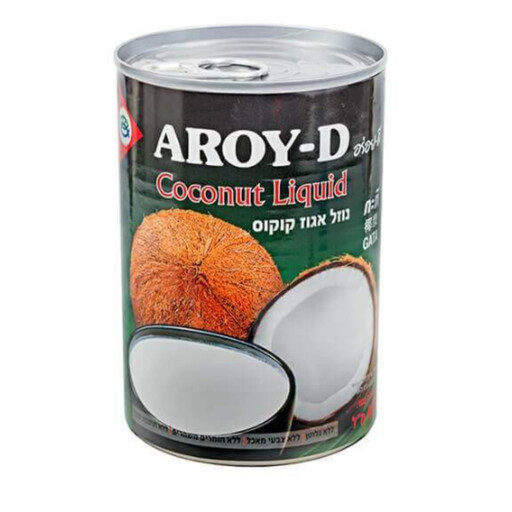 No image available
A 400 ML coconut milk option for a cooked sauce or curry. The listing identifies possible traces of soya and milk; check the current pack if either matters to your household.
 No image available
A 1L carton to consider when a recipe needs a larger quantity of cooking coconut milk. Read the current pack for the full ingredient and precautionary allergen wording.
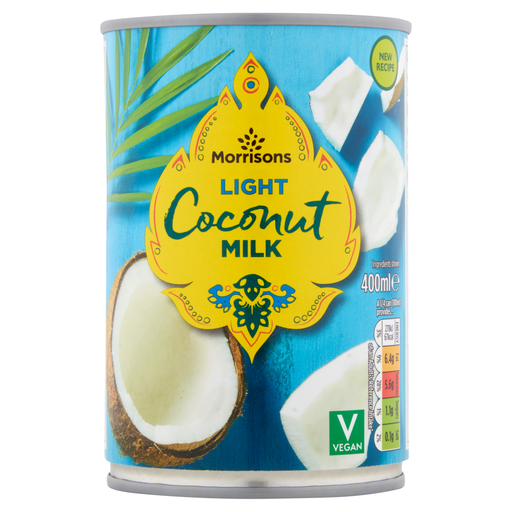 No image available
This 400ml reduced-fat cooking can is an option when the recipe allows for that formulation. Check the current pack for ingredients, allergen statements and whether it suits the texture you want.
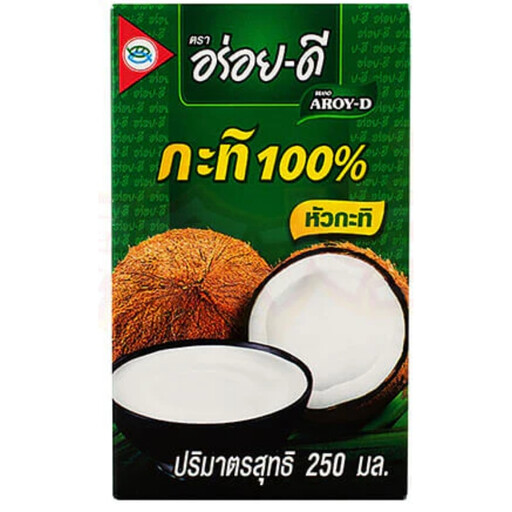 No image available
The 250ml carton offers a smaller quantity for a sauce, curry or soup. Coconut is identified in the listing; check the current pack for all other relevant allergen and precautionary wording.
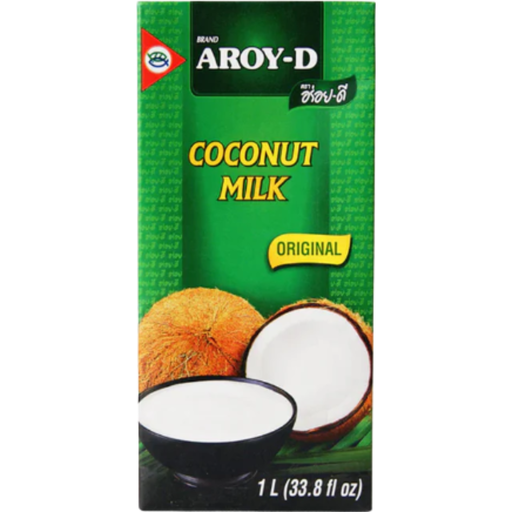 No image available
A 1L cooking carton for recipes that use a larger quantity of coconut milk. Check the current pack for its coconut content, ingredients and any allergen precautions before preparing a family meal.
No. Allergen information is product-specific: Koko names dairy, soya, nuts and gluten in the free-from wording for its drink, while Sainsbury's lists a peanut-and-nut precautionary statement for Blue Dragon Coconut Milk. Check the current pack for each allergen you need to avoid.
Do not assume it is a direct substitute if the recipe relies on the texture of cooking coconut milk. Tesco, Sainsbury's, M&S and Waitrose list coconut extract in the cooking cans discussed here; Koko and Alpro list their products as drinks with different formulations. Adapt the recipe if you choose a drink.
Offer a small amount alongside familiar food without pressing the child to finish it. NHS guidance says children may need many attempts before accepting some foods and recommends checking labels on products used for family meals.
Check that product's handling directions before discarding it. Waitrose says Essential Coconut Milk can separate or solidify at low temperatures and that gentle warming returns it to a liquid state.
Do not assume so from its coconut content or free-from wording. Koko's product information advises consulting a GP or qualified dietitian before using its drink as a main milk source for a child under 2; that statement does not establish whether another coconut product is suitable.