Who is choosing coconut milk for these meals?
The right format depends on the recipe and on whether coconut milk is an occasional ingredient or a regular drink.
Families making dairy-free meals for a fussy eater
For a creamy sauce, look at cooking coconut milk; for porridge or pancakes, a coconut drink may be the more useful format. Coconut has its own flavour, so try a small amount in a familiar recipe rather than counting on a particular product being accepted.
Households avoiding dairy in everyday cooking
Check whether the pack is a cooking ingredient or a drink, then compare its ingredients, coconut content and nutrition panel. If dairy avoidance is medically necessary, read the current pack’s ingredient and allergen information before serving.
Carers choosing a dairy alternative for a child
A coconut drink used regularly needs a different check from coconut milk added to a meal. Frimley Healthier Together NHS advises checking fortification, particularly calcium and iodine, and says plant-based alternatives should not be a main milk drink before a child is over one year old. Follow a clinician’s or dietitian’s plan for a diagnosed or suspected cow’s-milk-protein allergy.
What should you check before choosing?
Start with the recipe: a cooking milk and a drinking carton serve different purposes. Then check the label details that matter for the person eating the meal.
| Priority |
What to check |
Your needs |
| Recipe texture |
Check whether the pack is intended for cooking or drinking. Compare coconut-extract content and fat using the units shown on each label; a figure per 100g is not the same measure as one per 100ml. |
I want a creamy base for a curry, soup or dessert, rather than a pourable drink that leaves the recipe thinner than intended. |
| Flavour |
Read the ingredients, including any added sugar or rice, and consider how noticeable coconut will be in the recipe. Try a small amount in a familiar meal. |
If the eater is wary of new flavours, I would rather test the finished dish in a small portion than assume coconut will taste neutral. |
| Allergens |
Read the current pack’s ingredients and allergen declaration for every ingredient that must be avoided. A dairy-free description does not establish that a product is soya-free: Joybuy’s Alpro Barista Coconut listing identifies a soya base. |
I need to check the exact product before serving it to someone with an allergy, not rely on the word coconut or a broad dairy-free description. |
| Regular drinks for children |
For a drink used regularly, check its fortification, particularly calcium and iodine. Frimley Healthier Together NHS says plant-based alternatives can be used in cooking from six months but should not be a main milk drink until after age one. |
When replacing a child’s usual milk drink, I need an age-appropriate choice and professional advice if cow’s-milk-protein allergy is diagnosed or suspected. |
| Leftovers |
Match the pack size to the recipe and read its opened-pack storage instructions. For example, the M&S and Duchy cooking milks specify refrigeration and use within two days of opening. |
I would choose an amount I can use for this meal and, if necessary, another suitable recipe within the pack’s stated storage period. |
Which product lines are useful references?
These named products illustrate the difference between coconut drinks and cooking milks; a brand name alone does not identify which format is in the pack.
Koko
Koko has both a drinking carton and a separate Cuisine Coconut Milk, so the product name matters when matching it to a recipe.
- Tesco lists Koko Unsweetened as a drink with 9% coconut milk, calcium and vitamins D2 and B12.
- Koko describes its Cuisine product as creamy and suitable for cooking, but its declared coconut extract is 25%; that brand description is not an independent test of how it will perform in your recipe.
Alpro
Alpro Coconut Original is a coconut-and-rice drink that Tesco suggests for uses including pancakes, porridge and smoothies.
- The Coconut Original listing identifies added calcium and vitamins.
- Do not treat a drinking product as culinary coconut milk. Alpro Barista Coconut is a different product, and Joybuy’s listing identifies a soya base.
M&S
M&S Coconut Milk is a cooking product presented for curries, soups and desserts.
- M&S lists coconut extract (60%) and water as its ingredients, with 17.3g fat per 100g.
- Its nutrition panel lists 15.1g saturates per 100g; consider that figure when comparing products or deciding how to use it.
Waitrose
Waitrose lists Duchy Organic Coconut Milk as a cooking option for curries, soups and desserts.
- The Duchy product lists 60% organic coconut extract and 18g fat per 100g.
- This product also contains guar gum and lists 15.8g saturates per 100g; those details describe the Duchy product, not every coconut milk sold by Waitrose.
Joybuy cooking coconut milk options
These coconut milks are cooking options to consider for curries, soups, sauces or desserts, rather than examples of the lighter drinking cartons discussed above. Check the current pack for ingredients, allergens and nutrition details relevant to your household.
 No image available
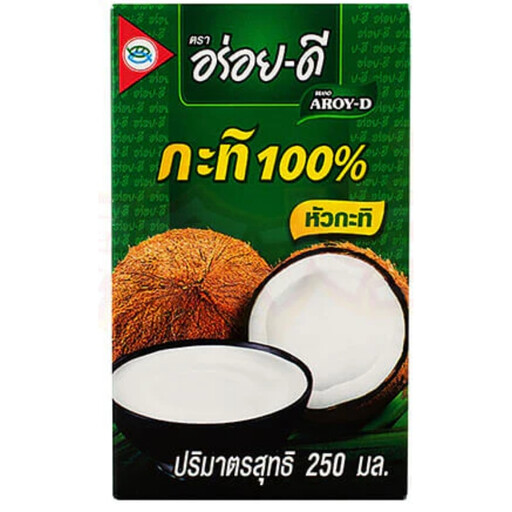
AROY-D Coconut Milk Carton 250ml
The 250ml cooking carton is a size to consider for a smaller curry or a first trial in a familiar meal. Check the current pack’s allergen information before serving someone with a milk allergy.
View on Joybuy
 No image available
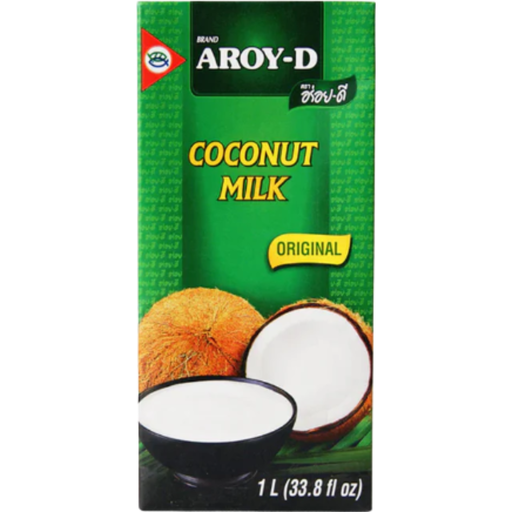
AROY-D Original Coconut Milk 1L
The 1L carton is a cooking format to consider when a recipe calls for more coconut milk. Match the quantity to planned meals and follow the opened-pack storage instructions.
View on Joybuy
 No image available
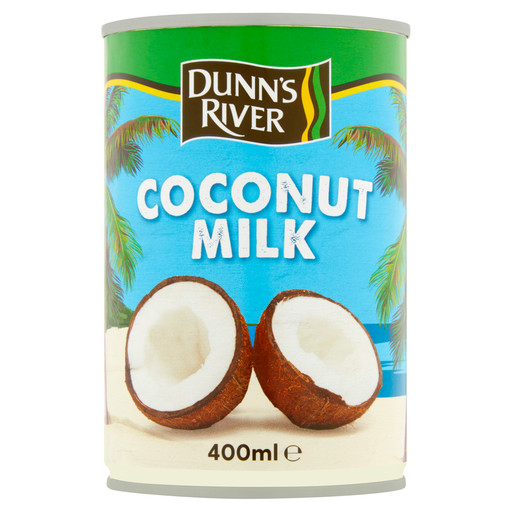
Dunns River Coconut Milk 400ml
This 400ml cooking milk is an option for a curry, soup or dessert where the recipe calls for coconut milk. Read the current pack’s nutrition and allergen information before choosing it for a particular household need.
View on Joybuy
 No image available
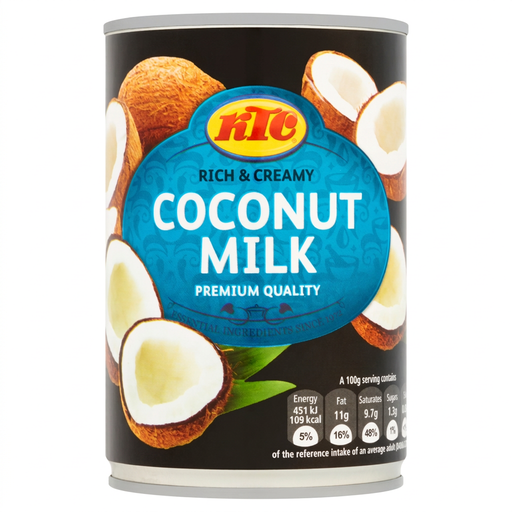
KTC Coconut Milk 400g
The 400g can is a cooking option for a curry or dessert. If fat or saturated fat matters to your comparison, use the current pack’s nutrition panel rather than assuming all cooking coconut milks have the same values.
View on Joybuy
 No image available
Tropical Sun Coconut Milk 400ml
This 400ml can is a cooking option for curries, soups or desserts. Check the current ingredients and allergen information if the meal must meet a specific dietary restriction.
View on Joybuy
Common questions
Should I use coconut milk or a coconut drink in a curry for a fussy eater?
Choose a culinary coconut milk if the curry recipe needs a creamy base. Cooking milks and drinking cartons have different formulations: for example, M&S and Waitrose list 60% coconut extract for their respective cooking products, while Tesco lists 9% coconut milk for Koko Unsweetened drink. Try a small amount in a familiar recipe to see whether the eater accepts the coconut flavour.
Is every coconut milk suitable for a dairy-free diet?
Do not decide from the product name alone. For medically necessary dairy avoidance, read the ingredients and allergen declaration on the exact current pack before serving; check other allergens separately if they matter to your household.
Can a coconut drink be a child’s main milk drink?
Not before the child is over one year old, according to Frimley Healthier Together NHS guidance on plant-based alternatives. The same guidance says they can be used in cooking from six months and advises checking fortification, particularly calcium and iodine, when choosing a regular alternative. Follow clinical advice for a diagnosed or suspected cow’s-milk-protein allergy.
How should I store coconut milk after opening it?
Follow the instructions on the pack you buy. M&S Coconut Milk and Waitrose-listed Duchy Organic Coconut Milk specify refrigeration and use within two days of opening; Tesco’s Koko Unsweetened drink listing gives five days after opening.
Does coconut on the label mean a product is soya-free?
No. Joybuy’s Alpro Barista Coconut listing identifies a soya base. If soya must be avoided, check the current pack’s ingredients and allergen declaration rather than relying on the coconut product name.


