
24/7 Customer Support

Free returns

Same-day & Next-day Delivery

Quality Guaranteed

Unlock Your Welcome Offers: FREE Delivery | Up to 80% OFF | Free 30-day JoyPlus trial
Download the APP
From a fragrant Thai green curry to a rich Caribbean stew or a creamy vegan dessert, coconut milk is a wonderfully versatile pantry staple. But standing in the aisle, or browsing online, the choice can be confusing. Full-fat, light, organic, with or without stabilisers—which one is right for your recipe? A rich, creamy coconut milk can make a dish, while the wrong choice can leave it feeling a little lacklustre.
As the Joybuy Product Recommendation Officer, my role is to help you navigate these choices. This guide will break down what to look for when buying tinned coconut milk and highlight a few of our top recommendations to help you find the perfect can for your kitchen.
Choosing the right canned coconut milk often comes down to understanding a few key details on the label. Keeping these points in mind will ensure your dish has the perfect flavour and texture every time.
The most significant difference between types of coconut milk is the fat content, which directly impacts the creaminess and richness of your dish.
Look at the ingredients list for the percentage of coconut extract. A higher percentage generally means a richer, more authentic coconut flavour. Products can range from as low as 25% to over 75%. For a truly creamy and flavourful result, a higher percentage is often desirable.
You may notice ingredients like guar gum, xanthan gum or carboxymethyl cellulose listed on the can. These are stabilisers used to prevent the natural separation of the coconut cream and water, resulting in a consistently smooth texture straight from the can. Products without these additives are more likely to separate, with a thick layer of cream on top and thinner liquid below. This isn't a sign of a bad product; in fact, some cooks prefer it as they can scoop the cream off for specific uses.
Based on their ingredients, versatility and suitability for common UK household recipes, here are a few standout options.
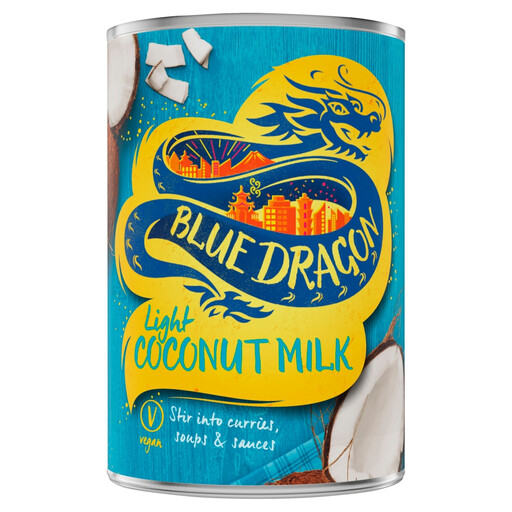
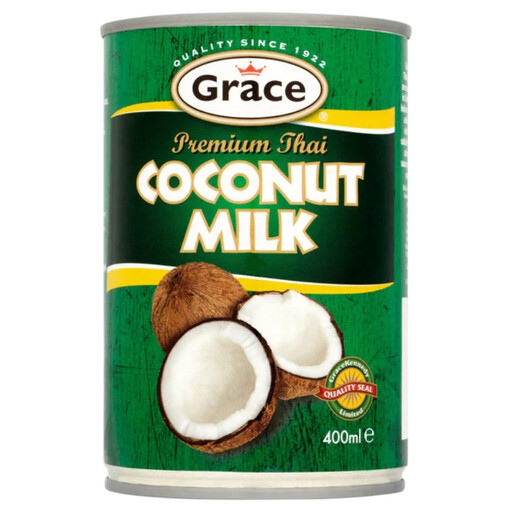
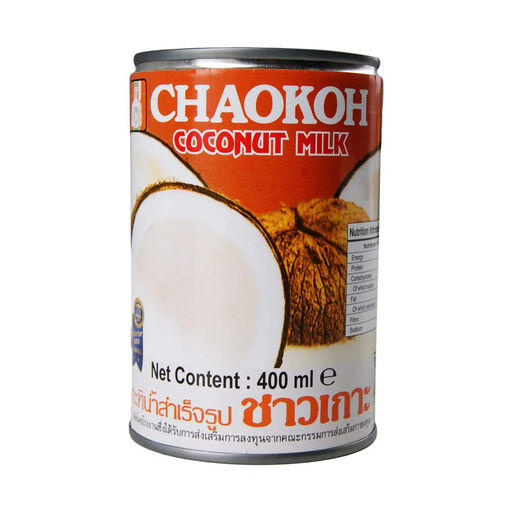
If our recommendations don't quite match what you're looking for, or if you'd like to explore different brands, organic varieties or pack sizes, we have a wider selection available.
Browse our full range of coconut milk to find the perfect match for your next culinary creation.
1. What is the difference between coconut milk and coconut cream? Coconut milk is made by blending pressed coconut flesh with water. Coconut cream contains a much higher percentage of coconut flesh and significantly less water, making it thicker, richer and higher in fat. It's often used for whipping or in recipes that require intense creaminess.
2. Why does my canned coconut milk sometimes separate? This is a natural process, especially in coconut milk that does not contain stabilising agents. The dense coconut cream rises and solidifies at the top, leaving the thinner coconut water at the bottom. It is not a sign of spoilage. Simply stir or shake the contents well to recombine them before use.
3. Can I use light coconut milk instead of full-fat in a curry? You can, but be aware that the final dish will be less rich and creamy. Using light coconut milk is a good way to reduce the fat and calorie content, but you will sacrifice some of the traditional texture. For a thicker sauce, you may need to simmer it for longer to allow it to reduce.