People cooking protein-focused meals
If coconut flavour matters in a curry, soup or sauce, treat culinary coconut milk as an ingredient for flavour and texture. Plan the meal’s protein around another ingredient, such as tofu, pulses, fish or eggs.


Choose culinary coconut milk for flavour in a meal with a separate protein ingredient, rather than relying on it for protein. A standard coconut drink suits coffee or cereal, while a coconut-based protein shake is the more relevant format if the labelled protein amount is your priority. Compare protein on the same per 100g or per 100ml basis, then check ingredients, allergens and storage instructions for the exact pack.
If coconut flavour matters in a curry, soup or sauce, treat culinary coconut milk as an ingredient for flavour and texture. Plan the meal’s protein around another ingredient, such as tofu, pulses, fish or eggs.
A coconut drink may suit coffee, cereal or cold drinks, but its name and longer-life format do not tell you how much protein it contains. Compare the nutrition labels of the drinks you would actually use.
A coconut-based protein shake is a different purchase from plain coconut milk: it is a formulated, flavoured drink. Check its labelled protein amount alongside its ingredients and after-opening instructions.
Decide whether the coconut product is for cooking, everyday drinking or a ready-to-drink protein option. Then compare nutrition on the label basis shown for each product; per 100g and per 100ml are not interchangeable measures.
Choose it for: Coconut flavour and texture in a meal whose other ingredients provide the protein.
Trade-off: The checked cooking products contribute little protein relative to their listed saturated fat, so account for the amount used in the recipe.
Choose it for: A coconut drink for cereal or coffee when that use matters more than its protein contribution.
Trade-off: A longer-life or barista label describes format or intended use, not a particular protein amount.
Choose it for: A ready-to-drink option when its labelled protein amount fits what you are looking for.
Trade-off: It is a formulated, flavoured drink rather than a substitute for plain cooking coconut milk.
| Priority | What to check | Your needs |
|---|---|---|
| Protein amount | Read protein per 100g or per 100ml and for the amount you intend to use. Sainsbury’s lists 0.5g per 100g for KTC Coconut Milk and 1.6g per 100ml for Aroy-D Coconut Milk; Waitrose & Partners lists 4.1g per 100ml for the checked Grounded protein shake. | I want to know what the portion I will actually eat or drink contributes, rather than relying on the word “coconut” or “protein” on the front of a pack. |
| Cooking nutrition | Check fat and saturates on the same label basis as protein. Sainsbury’s lists 9.7g saturates per 100g for KTC Coconut Milk and 17g per 100ml for Aroy-D Coconut Milk. | For a coconut-flavoured meal, I would use the amount the recipe needs and choose another ingredient to provide protein. |
| Format | Check whether the pack is culinary coconut milk, a coconut drink for coffee or cereal, or a formulated shake. Waitrose & Partners describes Alpro Coconut Barista With Soya as UHT; that longer-life format does not specify its protein content. | Am I making a curry, pouring a drink or looking for a ready-to-drink option? The intended use changes which label details matter. |
| Ingredients and storage | Read the current allergen declaration and instructions after opening. Waitrose & Partners lists soya in Alpro Coconut Barista With Soya and a 24-hour refrigerated post-opening instruction for the checked Grounded shake. | If I need to avoid an ingredient or expect to use a pack over several days, the exact product’s label matters as much as its format. |
The checked KTC and Aroy-D cooking products list 0.5g protein per 100g and 1.6g per 100ml respectively, according to Sainsbury’s. Those figures describe different label bases and do not make either product the main protein ingredient in a meal.
Use the coconut milk for the flavour and texture you want, and plan a separate protein ingredient for the dish.
Koko Dairy Free lists 1.2g protein per 100ml for Koko Original Like Milk. Waitrose & Partners lists 1.5g per 100ml for Alpro Coconut Barista With Soya and 4.1g per 100ml for the checked Grounded shake. The products also have different intended uses.
Compare protein on the same per 100ml basis, then decide whether you want an everyday drink or a formulated shake.
Waitrose & Partners lists soya in Alpro Coconut Barista With Soya. Its listing for the checked Grounded shake says to refrigerate it and drink it within 24 hours of opening.
Read the current ingredient and allergen information, and choose a pack whose storage instructions fit how you will use it.
These examples illustrate differences between an everyday coconut drink, a coffee drink and a formulated shake; the figures apply to the named products, not every product from each brand.
Koko Original Like Milk is an everyday coconut-based drink rather than a dedicated protein shake.
The checked Coconut Barista With Soya is a UHT coconut-and-soya drink intended for coffee use.
The checked Protein Chocolate Milkshake Alternative is a cocoa-flavoured coconut drink with plant protein, not plain coconut milk.
These are culinary coconut milks for recipes in which another ingredient provides protein. Choose a suitable pack format and check the exact product’s nutrition and storage label when planning your recipe.
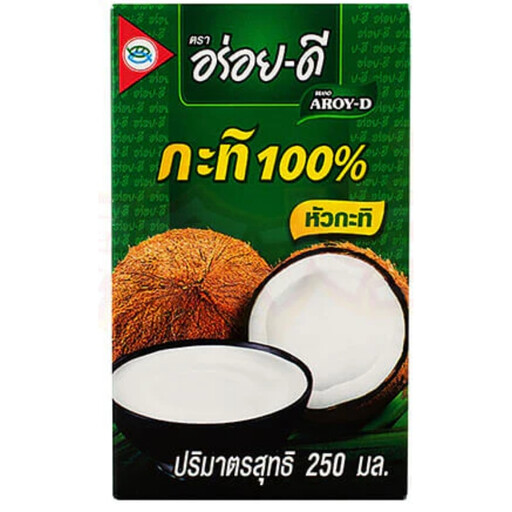 No image available
A 250ml carton for cooking with coconut milk when another ingredient supplies the meal’s protein. Check the pack’s protein, saturates and after-opening instructions for the amount you plan to use.
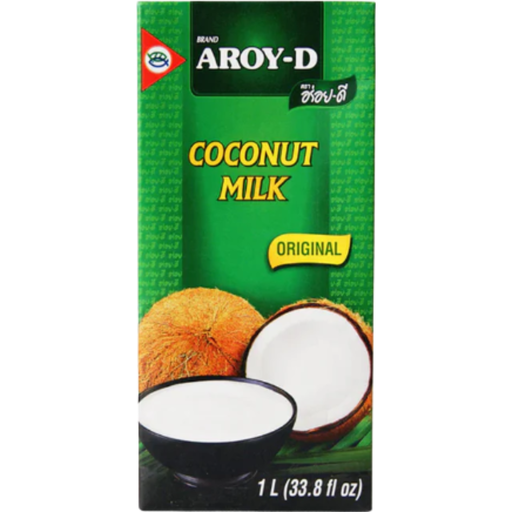 No image available
A 1L culinary coconut milk carton to consider when a recipe calls for that pack size. Plan protein from other ingredients and read the current nutrition and storage information before deciding how much to use.
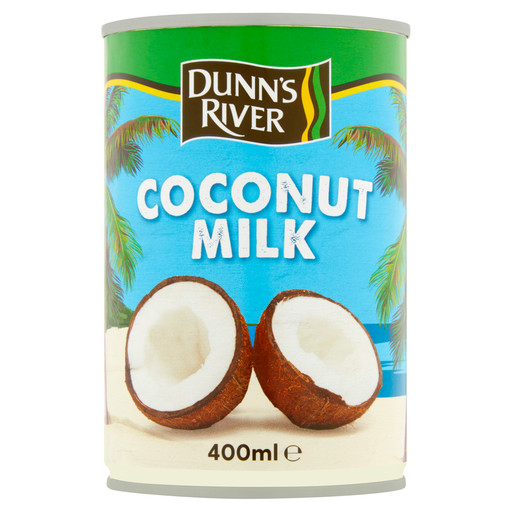 No image available
A 400ml coconut milk option for a dish where coconut contributes flavour and another ingredient provides protein. Compare the exact pack’s protein and saturates on its stated label basis.
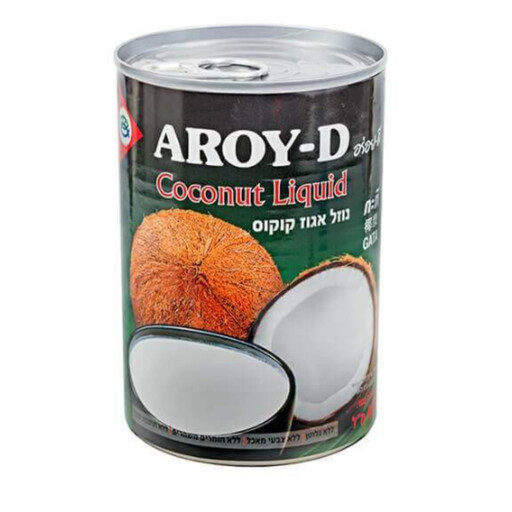 No image available
The 17% Fat variant in a 400ml pack is a culinary coconut milk, not a replacement for the meal’s protein ingredient. Check the current nutrition, allergen and storage labels for this variant before use.
Not on the figures for the checked cooking products: Sainsbury’s lists 0.5g protein per 100g for KTC Coconut Milk and 1.6g per 100ml for Aroy-D Coconut Milk. Use culinary coconut milk for flavour and texture, with protein coming from another part of the meal.
A UHT or longer-life label does not specify a protein amount. Waitrose & Partners lists 1.5g protein per 100ml for the checked UHT Alpro Coconut Barista With Soya; Koko Dairy Free lists 1.2g per 100ml for Koko Original Like Milk. Read the nutrition table on the drink you intend to buy.
No, if you need to avoid soya: Waitrose & Partners declares soya for the checked Alpro Coconut Barista With Soya. Read the current ingredient and allergen label before choosing a drink.
Follow the instruction on the exact pack rather than applying one period to every coconut product. Sainsbury’s lists refrigeration and use within three days for the checked Aroy-D Coconut Milk; Waitrose & Partners lists refrigeration and drinking within 24 hours for the checked Grounded shake.