Who is this for?
The useful pack size and product type depend on whether coconut milk is going into meals, drinks or a ready-to-eat snack.
Home cooks planning high-protein meals
If coconut milk goes into your curries, sauces or soups, plan the protein component separately. Cambridge University Hospitals NHS Foundation Trust identifies foods including pulses, tofu, eggs, dairy, fish and meat as protein options.
Households using coconut milk regularly
A larger carton is worth considering when several planned recipes will use it. Compare your usual recipe quantities with the pack’s storage and use instructions after opening; smaller unopened packs may be easier to manage when you cook with coconut milk less often.
Shoppers choosing coconut-flavoured alternatives
A coconut drink or yoghurt alternative serves a different purpose from cooking milk. If protein content matters for breakfast or a snack, compare the amount declared for the exact product and serving size rather than relying on its coconut flavour or name.
What to check before buying
Decide first how you will use the product, then compare its protein declaration, pack size and ingredients.
Cooking coconut milk
Choose it when: You want coconut flavour and texture in a dish that includes a separate protein food.
Trade-off: A larger opened carton needs to fit your cooking plans and its storage instructions.
Coconut drink
Choose it when: You want a coconut-flavoured drink or milk alternative for cereal, tea or coffee.
Trade-off: It is a different product from cooking coconut milk; check the label before using it in a recipe or counting on its protein content.
Protein-labelled yoghurt alternative
Choose it when: You want a ready-to-eat coconut-based product with a stated protein amount.
Trade-off: It will not replace cooking milk, and blended products require an ingredients and allergen check.
| Priority |
What to check |
Your needs |
| Protein in the meal |
Read the exact product’s protein declaration per 100 g or 100 ml and per serving where given. If using plain coconut milk in cooking, check what other protein foods the recipe includes. |
I want the finished meal to contain a protein food, not just coconut flavour. Cambridge University Hospitals NHS Foundation Trust lists pulses, tofu, eggs, dairy, fish and meat among protein options. |
| Product type |
Identify whether the pack is cooking coconut milk, a milk-style drink or a yoghurt alternative. Check its intended use and any stated protein amount before substituting one type for another. |
For a curry I need a cooking ingredient; for cereal or a drink I need a product intended for that use. A ready-to-eat yoghurt alternative serves a different purpose again. |
| Pack size and storage |
Compare pack volume with the quantities your recipes use. Read the exact pack’s refrigeration and use instructions after opening, even if its carton is resealable. |
Will we use the opened pack within its stated period? If coconut milk is an occasional ingredient, separate smaller packs may fit our cooking plans better. |
| Ingredients and allergens |
Read the full ingredient list and allergen information for the exact variant, particularly for products blended with other plant ingredients. |
I need to know what else is in a coconut-based product. Waitrose describes The Coconut Collab Protein Coconut Almond Yoghurt as containing almond and soya as well as coconut. |
Coconut product brands and retailers
These examples show why the exact product matters more than the brand name: cooking milks, drinks and yoghurt alternatives have different uses.
Koko
Koko makes both cooking coconut milk and milk-style drinks.
- Koko lists 25% coconut extract in Cuisine Coconut Milk and 13.5% in Cuisine Light Coconut Milk; its Cuisine carton is described as resealable.
- Koko Original Like Milk lists 11% coconut milk, while Koko Super Milk lists faba bean protein. Check the exact variant and protein declaration rather than treating the range as nutritionally interchangeable.
Alpro
Alpro’s Coconut Original and Coconut No Sugars are coconut-flavoured milk-alternative drinks.
- Alpro describes Coconut Original as a plant-based drink with no added sugars; Coconut No Sugars is a separate drink variant.
- Their drink positioning does not establish them as substitutes for cooking coconut milk or as the main protein source in a meal. Check the chosen variant’s nutrition panel.
Tesco
Tesco lists own-label coconut milk for cooking.
- Tesco Groceries lists Tesco Coconut Milk 400 ml and Tesco Light Coconut Milk 400 ml.
- For repeat cooking, compare the number of unopened 400 ml packs you would use with the opened-storage requirements of a larger carton.
Waitrose
Waitrose lists cooking coconut milks and a separate coconut-based yoghurt alternative with a stated protein amount.
- Waitrose lists Essential, Essential Reduced Fat and Duchy Organic coconut milks in 400 ml formats.
- Its listing for The Coconut Collab Protein Coconut Almond Yoghurt states 10 g protein per serving and 21 g per pot. That is a yoghurt alternative, not a cooking coconut milk; check its serving information and ingredients separately.
A Joybuy cooking coconut milk option
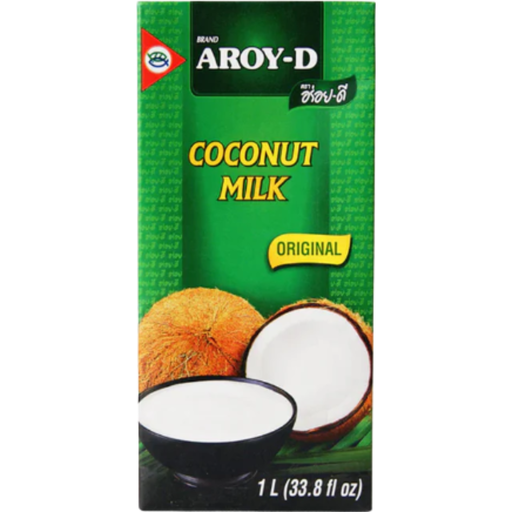
This 1L carton is an option for households using cooking coconut milk in recipes; its size makes opened-pack use worth planning.
 No image available
AROY-D Original Coconut Milk 1L carton
A 1L cooking-milk carton to consider if your planned recipes will use it. Its supplied handling guidance says to refrigerate after opening and use within 3 days; include a separate protein food if the meal is intended to be high in protein.
View on Joybuy
Frequently asked questions
Can ordinary coconut milk be the main protein food in a meal?
Do not rely on coconut milk alone for that role: check its protein declaration and include a suitable protein food in the dish. Cambridge University Hospitals NHS Foundation Trust identifies options including pulses, tofu, eggs, dairy, fish and meat.
Which coconut product should I use for cooking, drinking or a snack?
Choose cooking coconut milk for a recipe calling for it, a coconut drink for beverage-style use, or a yoghurt alternative for a ready-to-eat snack. If protein content drives the choice, compare the amount stated on the exact pack and its serving basis; the three product types are not interchangeable.
When does a larger carton of coconut milk make sense?
A larger carton makes sense when your planned recipes will use it in line with the pack’s instructions after opening. Compare its volume with what you typically cook and follow the product-specific refrigeration and use instructions rather than assuming a resealable carton lasts longer.
What should I check on a coconut-based protein product’s label?
Check the protein amount and serving size alongside the full ingredients and allergen information. Coconut-based alternatives can include other ingredients: Waitrose describes The Coconut Collab Protein Coconut Almond Yoghurt as containing almond and soya.


