Who is choosing?

People using coconut drink in cereal or hot drinks

If you want a pourable alternative, compare drinks rather than cooking tins. Alpro UK declares 0g carbohydrate per 100ml for Coconut No Sugars; Koko Dairy Free declares 0.4g per 100ml for its Unsweetened No Sugar Milk.

People cooking curries and sauces

Culinary coconut milk serves a different purpose from a coconut drink. Check the carbohydrate and saturates declaration, then account for the amount your recipe uses rather than treating the per-100ml figure as the whole portion.

Households following a prescribed ketogenic diet

A general keto-friendly description cannot replace an individual plan. Cambridge University Hospitals NHS Foundation Trust says a dietitian calculates the fat and carbohydrate quantities for the medically supervised ketogenic diet described in its guidance.

What should you check?

Unsweetened coconut drink

Choose it for: A pourable drink for tea, coffee or cereal.

Trade-off: It is not the same rich cooking ingredient as culinary coconut milk.

Culinary coconut milk

Choose it for: Curries or sauces that call for coconut milk as a cooking ingredient.

Trade-off: Check both carbohydrate and saturates for the recipe portion; neither a coconut label nor a keto-friendly description settles that calculation.

PriorityWhat to checkYour needs
Carbohydrate Compare carbohydrate using the same label basis, such as per 100ml. Calculate the amount in the portion you intend to drink or add to a recipe. I need to fit the actual portion into my carbohydrate allowance, rather than assume every coconut product has the same composition.
Saturates Read the saturates figure as well as total fat, and account for how much of the tin goes into each portion. The NHS identifies coconut milk and cream as sources of saturated fat. For a curry, I want to know what my serving contributes, not just what the label says per 100ml.
Pack quantity Confirm whether four pints means about 2.27 litres in total, four separate packs or a particular pack format. Check each product’s stated volume before working out a quantity. I might need one large pack, or enough smaller packs for several recipes; those are different purchases.
Opened-pack storage Check the instructions on the chosen pack and plan when you will use the remainder. Sainsbury’s says to refrigerate its own coconut milk after opening and use it within three days. If I open a tin for one dish, I need a practical use for what is left.

Common buying mistakes

  • Picking a coconut drink for a cooking recipe

    The products differ substantially: Alpro UK declares 1.2g fat per 100ml for Coconut No Sugars, while Koko Dairy Free declares 17.4g per 100ml for Cuisine Coconut Milk. Swapping them changes the fat contribution and the type of ingredient used.

    Choose a coconut drink for pouring or a culinary product when the recipe calls for cooking coconut milk.

  • Relying on “no sugars” or “reduced fat” alone

    Neither description states the full carbohydrate, fat and saturates profile of a particular portion.

    Read the current nutrition label and calculate using the amount you will consume.

  • Overlooking saturates in a plant-based product

    Coconut milk is among the sources of saturated fat identified by the NHS. A recipe may use considerably more than the 100ml on which a label comparison is based.

    Compare like-for-like label units and work out the amount in each serving.

  • Buying several tins without a plan for leftovers

    Opened-pack instructions differ. Sainsbury’s gives three days for its own coconut milk, while the KTC listing at Sainsbury’s says to consume it within two days.

    Settle what “four pints” means for your purchase, then follow each chosen pack’s storage instructions.

    Unused opened coconut milk can become food waste if the planned recipes do not use it in time.

Brand and product-line references

A brand name alone does not tell you whether you are looking at a drink or a cooking product; check the exact variant and label.

Alpro

Coconut No Sugars is a 1L drink, rather than a tin of culinary coconut milk.

  • Alpro UK declares 0g carbohydrate and 0g sugars per 100ml for this drink.
  • Its drink format should not be assumed to give a sauce the same richness as culinary coconut milk.

Koko

Koko Dairy Free lists an unsweetened drink and a separate Cuisine Coconut Milk.

  • The brand declares 0.4g carbohydrate per 100ml for Unsweetened No Sugar Milk.
  • Cuisine Coconut Milk declares 4.4g carbohydrate per 100ml, so the two Koko products should not be treated as interchangeable.

Tesco

Tesco Ingredient Coconut Milk is a 400ml culinary product.

  • Tesco Groceries declares 1.7g carbohydrate per 100ml for this product.
  • It also declares 15.8g saturates per 100ml; calculate for the portion used.

Sainsbury’s

Its own-label 400ml coconut milk is a culinary product; Sainsbury’s also lists other cooking brands.

  • Sainsbury’s lists 68% coconut extract and declares 2.7g carbohydrate per 100ml for its own coconut milk.
  • The same product declares 13.8g saturates per 100ml. Check the current pack when planning a portion.

M&S

M&S lists standard and reduced-fat culinary coconut milks.

  • Its reduced-fat coconut milk is listed in a 400ml pack.
  • “Reduced fat” does not establish the carbohydrate content; check the chosen variant’s nutrition label.

Culinary coconut milk options on Joybuy

These tins are options for cooking with coconut milk, not pourable coconut-drink alternatives. Each listed pack is 400ml; check your intended total quantity if you asked for four pints.
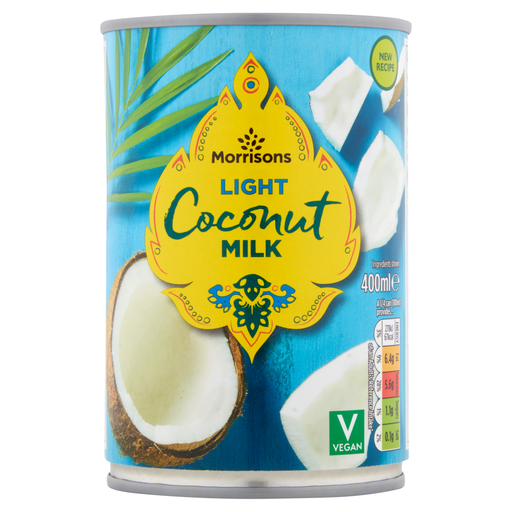
Morrisons Reduced Fat Coconut Milk 400ml tin

Morrisons Reduced Fat Coconut Milk 400ml

A reduced-fat culinary option for a recipe using coconut milk. Check the current carbohydrate and saturates declaration for your portion; the 400ml tin is not a four-pint pack.
View on Joybuy
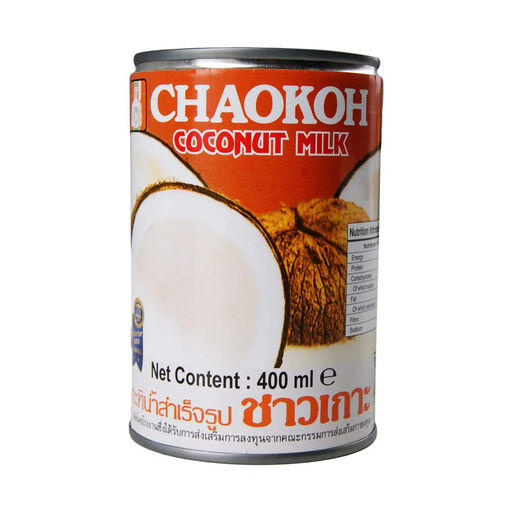
Chaokoh Coconut Milk 400ml tin

Chaokoh Coconut Milk Tinned 400ml

A tinned coconut milk option for cooking. Use the current label and your recipe portion to assess carbohydrate and saturates, and check how much of the 400ml tin you will use.
View on Joybuy
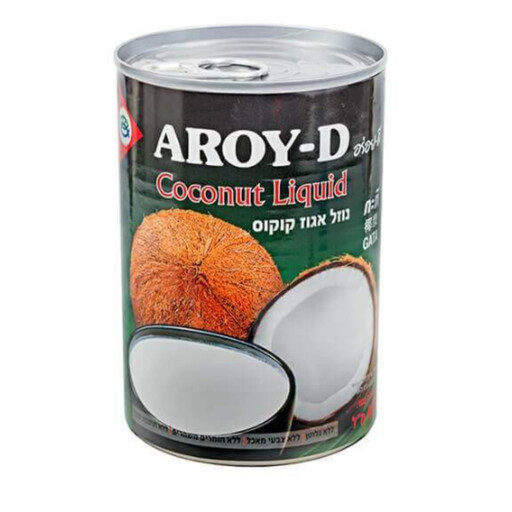
AROY-D Coconut Milk 17% Fat 400 ML

AROY-D Coconut Milk 17% Fat 400 ML

A culinary coconut milk in a 400 ML pack. Joybuy declares 2.5g carbohydrate and 15.0g saturates per 100g for this product; calculate using the amount added to your recipe and check the current label.
View on Joybuy
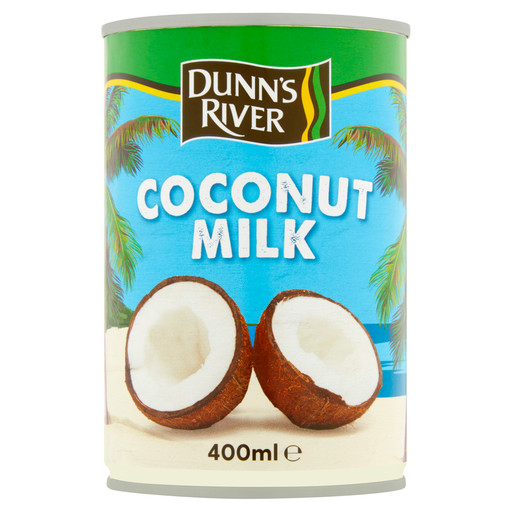
Dunns River Coconut Milk 400ml tin

Dunns River Coconut Milk 400ml

A 400ml culinary coconut milk option. Check its current nutrition and opened-pack instructions against the portion and timing of the dishes you plan to make.

View on Joybuy

Questions about coconut milk

Is coconut milk automatically suitable for a keto-friendly meal?

No. Coconut drinks and culinary coconut milks have different carbohydrate declarations, so check the exact product and calculate the portion used. For a medically prescribed ketogenic diet, follow the individual quantities set by the dietitian, as described by Cambridge University Hospitals NHS Foundation Trust.

Which coconut drink should I compare for coffee or cereal?

Compare drinks if you need a pourable milk alternative. Alpro UK declares 0g carbohydrate per 100ml for Coconut No Sugars, while Koko Dairy Free declares 0.4g per 100ml for Unsweetened No Sugar Milk; check the ingredients and current label of the one you intend to use.

Can I use tinned coconut milk in a curry?

Yes, culinary coconut milk is the relevant product type when a curry recipe calls for it. Compare carbohydrate and saturates on the same measurement basis and calculate the amount in each serving; Tesco Groceries, for example, declares 1.7g carbohydrate and 15.8g saturates per 100ml for Tesco Ingredient Coconut Milk.

What should I do with coconut milk left in an opened tin?

Follow that product’s storage instructions rather than applying one time limit to every tin. Sainsbury’s says to refrigerate its own coconut milk and use it within three days of opening; its KTC listing gives a two-day limit and instructions to transfer and refrigerate leftovers.