Choose a pourable coconut drink for breakfasts or smoothies, and canned coconut milk when you need a cooking ingredient; neither format should be chosen by its name alone. Plan long-run carbohydrate separately: Tesco lists 0.4g carbohydrate per 100ml for Koko’s unsweetened drink, while the Australian Institute of Sport describes carbohydrate consumed during exercise as a source of fuel. If a family pack means several cartons rather than one larger carton, check the pack count before ordering.
Who is this for?
Dairy-free runners planning everyday meals
A coconut drink can go into porridge or smoothies, but its fortification and its carbohydrate content answer different questions. Check both if you are choosing a dairy alternative alongside a separate training-fuel plan.
Households sharing training meals
One coconut product may serve several people at breakfast or in recipes. Choose the format everyone will use, then plan the runner’s food for long sessions separately.
Shoppers checking allergens
If an allergy or intolerance affects the choice, read the ingredients and allergen information on the exact pack. A dairy-free description does not establish the allergen profile of every coconut drink.
What should you check before buying?
Start with whether the household needs a drink or a cooking ingredient, then check the exact pack for the details that matter to its use.
| Priority |
What to check |
Your needs |
| Carbohydrate for training |
Read carbohydrate per 100ml or per serving on the exact product. Consider the drink alongside the foods or sports products planned for the session, rather than assuming it supplies long-run fuel. |
I need a fuelling plan I can practise during training, not just a drink to have with a meal. Tesco lists Koko’s unsweetened coconut drink at 0.4g carbohydrate per 100ml; the Australian Institute of Sport describes carbohydrate consumed during exercise as a source of fuel. |
| Drink or cooking ingredient |
Check whether the label describes a pourable dairy alternative or canned coconut milk for recipes. Tesco’s UK results include 1L coconut drinks and 400ml cooking coconut milk. |
For cereal or a smoothie, I’m looking for a drink; for a curry or rice dish, I need a recipe ingredient. The shared search term does not make the formats interchangeable. |
| Fortification |
Read the exact drink’s calcium and vitamin information rather than assuming every coconut product is fortified. The NHS includes fortified dairy alternatives in its guidance on a varied vegan diet. |
If dairy is off the menu, I want to know what this drink contributes to everyday meals without treating it as a substitute for the rest of my diet. |
| Pack size and storage |
Check the number of cartons, total volume and opened-pack instructions. A 1L carton described as suitable for sharing does not, by itself, mean a multipack. |
Will we use the amount we buy within the period stated on its pack? I also need to know whether I’m ordering one carton or several. |
| Ingredients and allergens |
Read the current pack’s ingredient list and allergen declaration for the exact product. Check again when buying a different brand or formulation. |
When someone in the household must avoid an ingredient, a general coconut or dairy-free description is not enough for my choice. |
Common buying mistakes
-
Treating every product called coconut milk alike
Tesco’s UK search results place 1L dairy-free drinks alongside 400ml cooking coconut milk. Buying by the search term alone can leave you with a tin when you wanted a breakfast drink, or the reverse.
Decide what you will make with it before checking the format, ingredients and nutrition panel on the exact pack.
-
Relying on an unsweetened coconut drink for long-run fuel
Tesco lists 0.4g carbohydrate per 100ml for Koko’s unsweetened drink. That figure does not make it a stand-alone carbohydrate source for a long session; the Australian Institute of Sport describes carbohydrate intake during exercise as a way to supply fuel.
Keep the household drink choice separate from the foods or sports products you plan to use and practise during training.
-
Assuming fortification and allergens are the same across drinks
Product ingredients and added nutrients differ. A dairy-free description alone does not tell someone avoiding a particular allergen whether a drink suits them.
Check the current physical pack for ingredients, allergen information and any added calcium or vitamins before use.
-
Ordering several cartons without an opened-pack plan
Opened-pack instructions can affect how much a household can use. Tesco’s listing for the 1L Koko drink says to refrigerate it and consume it within five days of opening.
Compare the amount you expect to use with the instructions on each product’s own pack; do not apply Koko’s period to another drink or a tin.
Relevant brands and retailers
These product and retailer references help distinguish drink formats and label details; they do not establish which products are available on Joybuy.
Koko
Tesco lists a 1L Koko unsweetened coconut-based dairy alternative for household drinks and meals.
- Tesco describes this product as fortified with calcium, vitamin D2 and vitamin B12.
- Tesco lists 0.4g carbohydrate per 100ml, so choose long-run carbohydrate foods or sports products separately.
Alpro
Tesco describes Alpro Coconut Original as a chilled coconut-and-rice drink with added calcium and vitamins.
- Its drink format may suit a household looking for a pourable dairy alternative.
- Added nutrients do not establish that the drink alone meets a runner’s carbohydrate needs; check the current nutrition panel.
Tesco
Tesco’s UK results include own-label 1L coconut drink and 400ml cooking coconut milk formats.
- The two formats offer a useful distinction between a dairy-alternative drink and a recipe ingredient.
- Check the individual pack for nutrition, allergens, storage and carton count rather than assuming the formats have the same contents or use.
A Joybuy option for household use
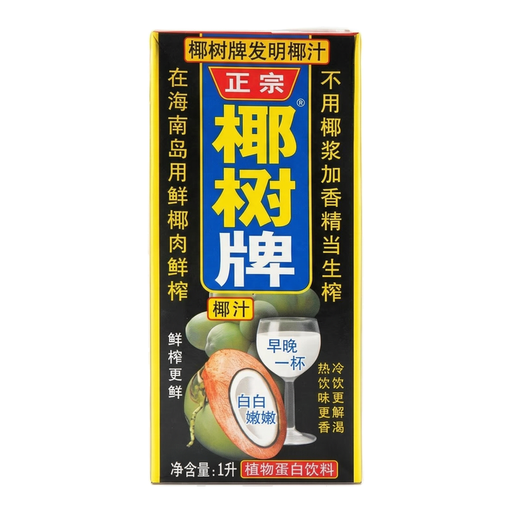
This 1L coconut milk carton is an option to assess for shared household meals or drinks. Check its carbohydrate information against your separate training-fuel plan, and confirm the pack count if you need a multipack.
 No image available
Coconut Palm Coconut Milk 1L
The 1L carton may suit household meals or drinks, but its size alone does not establish that it is a multipack or a stand-alone long-run fuel.
The listing says to refrigerate after opening and consume within 24 hours. Check the physical pack’s allergen declaration if an ingredient must be avoided, and confirm the carton count before ordering for a household.
View on Joybuy
Questions about coconut milk and training
Can an unsweetened coconut drink be my main fuel during a long run?
Do not rely on Koko’s unsweetened drink as a stand-alone long-run carbohydrate source: Tesco lists 0.4g carbohydrate per 100ml. The Australian Institute of Sport describes carbohydrate consumed during exercise as a source of fuel, so plan and practise your intended foods or sports products during training.
Does a fortified coconut drink cover a vegan runner’s diet?
No single drink covers the whole diet. The NHS advises a varied vegan diet that includes fortified dairy alternatives; check the exact drink’s added nutrients while planning the rest of your meals separately.
How long can I keep a coconut drink after opening?
Follow the instructions on that drink’s pack. Tesco’s listing for the 1L Koko drink says to refrigerate it and consume it within five days of opening, but that period should not be applied to another product.
What should I check when buying for someone with an allergy?
Read the ingredient list and allergen information on the current physical pack for the exact product before use. Do not assume that a dairy-free description, or information for a different coconut drink, answers a specific allergy question.


