People packing a drink or cereal
A coconut drink is the format to consider when you want something to pour into a glass or over cereal, rather than an ingredient for a rich sauce.


For an office packed lunch, choose a coconut drink if you want something to pour into a glass or over cereal, and cooking coconut milk if you are preparing a curry, soup or sauce. A lighter cooking milk is another option when the recipe does not depend on a rich sauce. Do not use “mature” as the deciding label: check the product format, ingredients and storage instructions instead.
A coconut drink is the format to consider when you want something to pour into a glass or over cereal, rather than an ingredient for a rich sauce.
Cooking coconut milk suits a prepared dish. If opening a can leaves some unused, check its refrigeration and use-within instructions when planning the meal.
Choose by intended use and product format instead of treating “mature” as a grade. The distinction between a drink, light cooking milk, cooking milk and coconut cream matters more to the lunch you are making.
Decide whether the coconut product is for drinking or for a recipe, then compare the exact packs for composition, portion size and storage.
| Priority | What to check | Your needs |
|---|---|---|
| Product format | Look for “coconut drink” if it is for pouring over cereal or drinking. For a curry or soup, check that the pack is cooking coconut milk; compare its ingredient list and coconut content. | I want a drink alongside lunch, or I need a cooking ingredient for a dish I will reheat. Those are different purchases. |
| Recipe richness | Compare coconut content and fat using the same units on the packs. Codex Alimentarius describes light coconut milk as a diluted form; check the particular product against your recipe. | For a sauce, I need to decide how much richness the recipe calls for rather than assuming “light” and standard cooking milk will give the same result. |
| Drink ingredients | Read sugars and added nutrients on the exact carton’s nutrition panel, and check its ingredients. Alpro Coconut Original, for example, lists 5.3% coconut milk and 3.3% rice. | If I am buying a coconut drink, its sugar content, added nutrients or other ingredients may affect which carton I choose. |
| Opened packs | Check pack size and the product’s refrigeration and use-within directions. Sainsbury’s Coconut Milk 400ml, for example, says to refrigerate after opening and use within 3 days. | Will I use the whole pack for lunch, or can I store and use the remainder as the label directs? |
| Current label | Check the physical pack for ingredients, allergen information, date marking and storage directions. UK guidance from the Department for Environment, Food & Rural Affairs and the Food Standards Agency identifies ingredients, including allergens, and date marking as food-label information. | When an ingredient or allergen matters to me, I need to read the pack I will actually use, not rely only on an online description. |
A drink formulated for pouring may not give a curry the composition the recipe calls for. Conversely, a cooking can is not automatically the drink format you intended for a cold lunch.
Choose the use first, then compare the exact packs’ ingredients, coconut content and nutrition panels.
Post-opening directions vary: Sainsbury’s Coconut Milk says to refrigerate and use within 3 days, while M&S Coconut Milk says to refrigerate and use within 2 days.
Plan the portion before preparing lunch and follow the directions on the can you buy.
The pack you receive is the relevant place to check its current ingredients, allergen information, date and storage directions.
Read that label before packing the food, particularly if an ingredient or allergen affects your choice.
These examples show why the product line and format matter more than the brand name alone.
Alpro’s coconut drinks are formulated as beverages. Its Coconut Original lists water, 5.3% coconut milk and 3.3% rice; a UK retailer lists the separate Coconut No Sugar Long Life drink as UHT.
Koko has separate drink and cooking products. Koko Dairy Free lists 9% coconut milk in Unsweetened No Sugar Milk and 25% coconut extract in its resealable Cuisine Coconut Milk.
Sainsbury’s Coconut Milk 400ml is a cooking-format product listing 68% coconut extract.
M&S lists standard Coconut Milk for cooking and a separate Reduced Fat Coconut Milk. Its standard product lists 60% coconut extract.
These coconut milks are options for preparing a curry, soup, sauce or similar packed-lunch dish. They are cooking products, not a selection of ready-to-pour coconut drinks or light cooking milks.
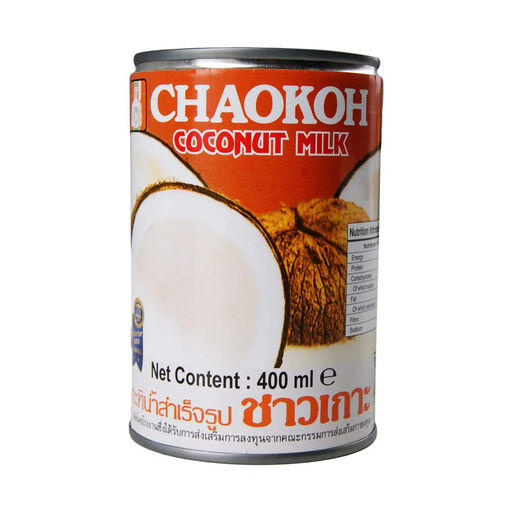 No image available
A 400ml cooking milk to consider when preparing a curry, soup or sauce for lunch. After opening, transfer unused contents to a non-metallic container, refrigerate and use within 2 days; check the current pack for ingredient and allergen information.
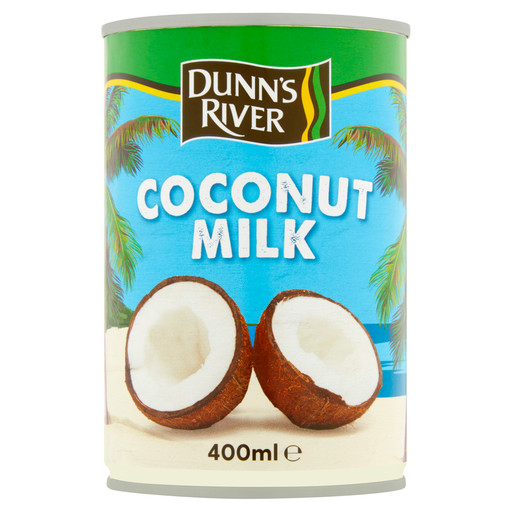 No image available
This 400ml cooking milk is described for dishes including curries and soups. For leftovers, its directions call for an airtight, non-metallic container, refrigeration and use within 2 days of opening.
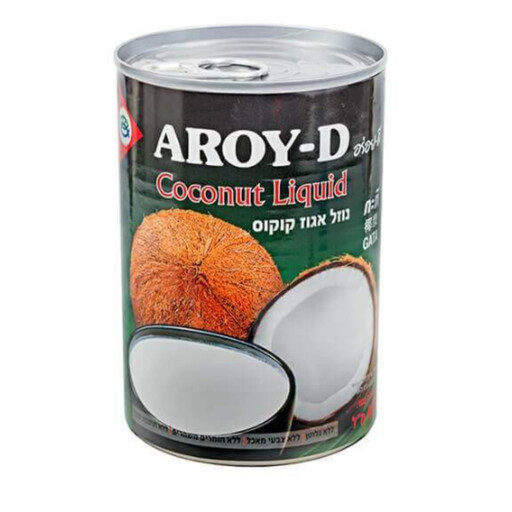 No image available
A cooking milk for a planned curry, soup or dessert; the product name states 17% fat. Refrigerate after opening and use within 3 days. Check the current pack for any soy or milk precautionary allergen statement if relevant.
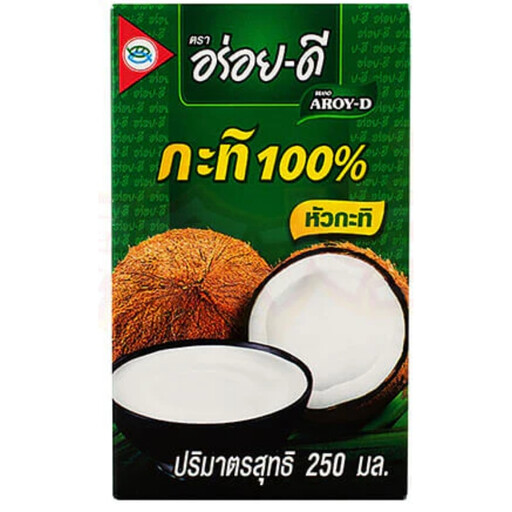 No image available
The 250ml carton is a cooking-format option when a recipe calls for a smaller quantity than a 400ml pack. Refrigerate after opening and use within 2 days; check the current pack if coconut concentration matters to the recipe.
 No image available
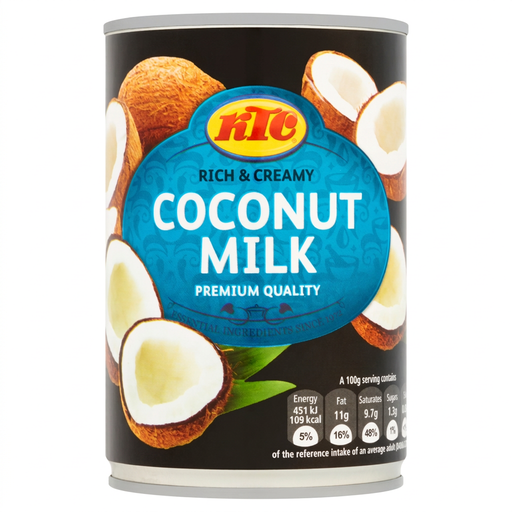
This canned cooking milk is an option for a prepared curry, soup or dessert. After opening, transfer unused contents to a suitable non-metallic container, cover, refrigerate and use within 2 days; read the current nutrition panel if fat or sugars affect your choice.
Do not treat “mature” as the deciding product grade. For an office lunch, identify whether you need a drink, light cooking coconut milk, standard cooking milk or cream, then check the pack against your intended use. Codex Alimentarius describes light coconut milk as a diluted form of coconut milk.
Do not assume they are interchangeable. Alpro Coconut Original is a drink listing 5.3% coconut milk and 3.3% rice, whereas Sainsbury’s cooking Coconut Milk lists 68% coconut extract. Check what the recipe calls for before choosing a drink carton in place of a cooking product.
Follow that can’s storage directions and plan when you will use the remainder. Sainsbury’s Coconut Milk says to refrigerate and use within 3 days after opening; M&S Coconut Milk says to refrigerate and use within 2 days. Do not apply one product’s period to every can.
Check the current pack’s ingredients and allergen information, date marking and storage directions before preparing the lunch. The UK Department for Environment, Food & Rural Affairs and Food Standards Agency identify ingredients, including allergens, and date marking among food-label information; the pack also gives the directions relevant to the product you have bought.