Home workers making curries or soups
Choose a cooking coconut milk for a savoury lunch. Compare the pack size and opened-pack instructions if one meal will use only part of it.


For a lunchtime curry, soup or sauce, choose cooking coconut milk rather than a carton coconut drink; cooking versions can come in tins or cartons, so check the product’s intended use. A standard version suits a recipe where coconut flavour and a fuller sauce matter, while a reduced-fat version changes the sauce’s richness. If you want a drink with lunch, check a coconut drink’s ingredients and fortification instead.
The useful starting point is whether the coconut product will go into a pan or into a glass, cup or bowl.
Choose a cooking coconut milk for a savoury lunch. Compare the pack size and opened-pack instructions if one meal will use only part of it.
Compare standard and reduced-fat cooking products on the same nutrition-label basis. A reduced-fat version may not give the same body as the standard version; M&S lists different coconut-extract and fat values for its two products.
For coffee, cereal or a smoothie alongside lunch, look at carton drinks rather than assuming a cooking product is intended for pouring. Check ingredients and added nutrients on the individual pack.
Choose the format for the meal first, then compare richness, ingredients and what you will do with an opened pack.
| Priority | What to check | When it matters to me |
|---|---|---|
| Cooking or drinking | Check whether the pack is labelled for cooking or as a drink. Do not identify its use by the word “carton” alone: cooking coconut milk can also come in a carton. | I’m making a curry or soup and want a cooking ingredient, not a drink intended for coffee or cereal. |
| Sauce richness | Read the coconut-extract percentage and fat value where listed. Compare nutrition figures stated per 100 g with other per-100 g figures, or per 100 ml with per-100 ml figures. | For this lunch, I’d rather choose the sauce’s richness deliberately than assume every coconut milk will give the same result. |
| Ingredients and texture | Read the ingredients list and any shake-before-opening advice. Sainsbury’s says its Tropical Sun coconut milk can separate into a thicker cream and thinner liquid. | A short ingredients list appeals to me, and I’m prepared to mix a separated product before cooking. |
| Leftovers | Match pack size to the recipe and check refrigeration and use-by instructions after opening. Tesco specifies two days for its 400 ml coconut milk; Sainsbury’s specifies three for its own-label 400 ml product. | If I’m cooking for one, I need to know whether I can use the remainder within the particular pack’s stated period. |
The formats serve different purposes. Sainsbury’s lists 9% coconut milk in its Koko Unsweetened drink, while its own-label cooking coconut milk lists 68% coconut extract.
For a curry or sauce, start with a cooking product. Use a drink instead only if a thinner result is what you want.
Rich cooking products can also have substantial saturated-fat values. Sainsbury’s lists 13.8 g saturates per 100 ml for its standard coconut milk; M&S lists 8.2 g per 100 g for its reduced-fat version. Those different label units should not be treated as a direct numerical comparison.
Check coconut content and the nutrition panel together, using matching units when comparing products.
Sainsbury’s says its Tropical Sun coconut milk can separate into cream and liquid, while Tesco notes that cold storage can affect the texture of its own product.
Follow the individual pack’s shaking or warming instructions, and check its condition and date rather than judging it by separation alone.
A single lunch may use less than a 400 ml pack, while opened-pack instructions differ between products.
Check the label before opening and plan another use within its stated refrigerated period.
Unused coconut milk may go to waste if it cannot be used within that period.
These product lines show why the pack’s purpose and label matter more than the brand name alone.
Tesco’s own-label 400 ml tinned coconut milk is a cooking option for curries and sauces.
Sainsbury’s own-label 400 ml coconut milk is a tinned cooking product, not a carton drink.
M&S has standard and reduced-fat 400 ml cooking coconut milks.
Waitrose lists standard and reduced-fat Essential cooking options as well as Duchy Organic Coconut Milk.
Alpro Coconut No Sugars is a 1 L coconut drink for pouring, rather than a standard cooking coconut milk.
Koko Unsweetened Coconut UHT is a 1 L coconut-based drink.
These options are cooking coconut milks for lunchtime curries and soups. They include standard and reduced-fat products; the AROY-D 400 ml cooking product is a carton, so a carton does not always mean a coconut drink.
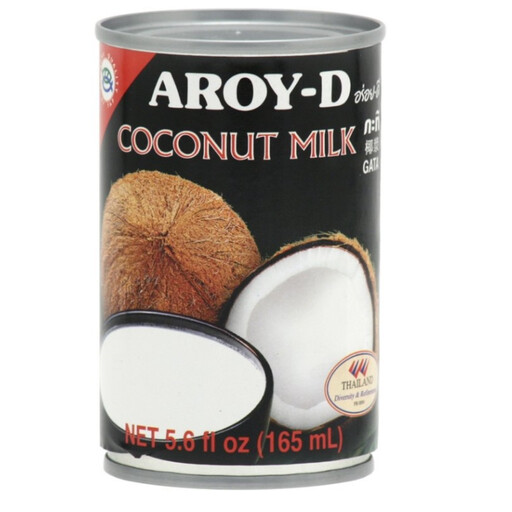 Image unavailable
The 165 ml can is worth considering when a small cooked lunch would leave much of a 400 ml pack unused. The listing advises refrigeration and use within two days after opening; check the current pack if allergens are relevant.
 Image unavailable
This is a carton cooking product to consider for a curry, soup or sauce, not a coconut drink. Its listing gives a refrigerated use period of two to three days after opening. Because the listing’s ingredient and allergen statements conflict, check the current pack if allergens matter to you.
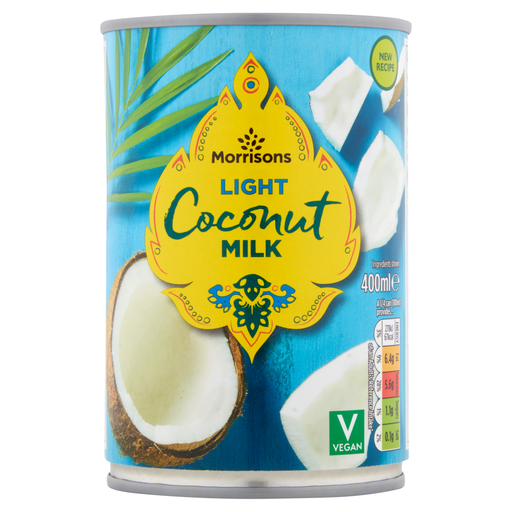 Image unavailable
A reduced-fat cooking option when a lighter curry or soup matters more than a fuller sauce. The listing says to refrigerate after opening and use within two days, so plan for the remainder of the 400 ml can.
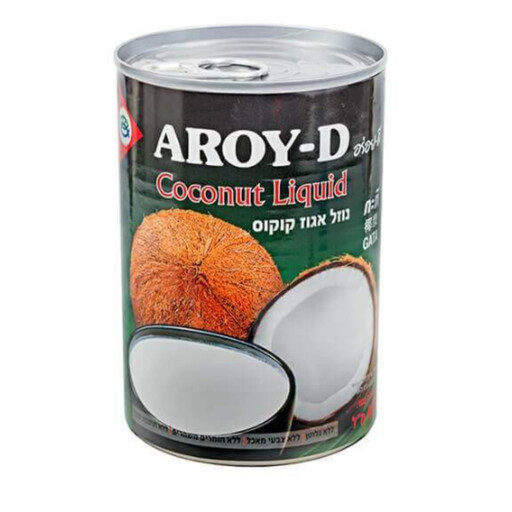 Image unavailable
A canned cooking option if your lunchtime recipe calls for coconut milk and you can plan a use for the remainder. Joybuy’s product information lists 17 g fat and 15 g saturates per 100 g; its listing says to transfer unused contents to an airtight container, refrigerate and use within three days.
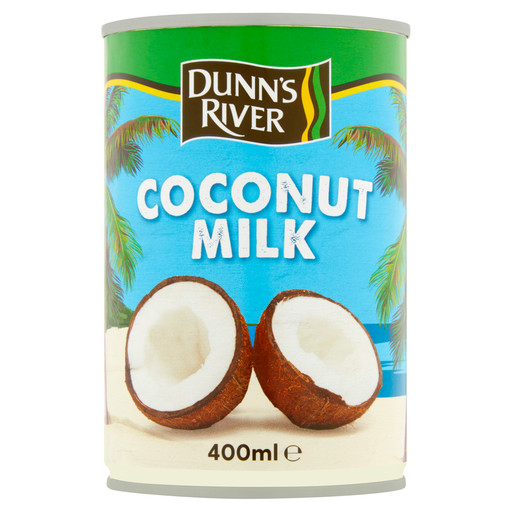 Image unavailable
This canned cooking product is an option for a curry, soup or stew. If one lunch will use only part of the 400 ml can, note that the listing calls for unused contents to be refrigerated in a non-metallic airtight container and used within two days.
The phrase alone does not identify whether a pack is for cooking or drinking. For a lunchtime curry or soup, look for cooking coconut milk and check the ingredients and intended use; Codex Alimentarius describes coconut milk as an emulsion made from coconut kernel and water.
Not as a like-for-like choice when the recipe needs the body of cooking coconut milk. Sainsbury’s lists 9% coconut milk in its Koko Unsweetened drink; check what a carton is labelled for, as some cartons contain cooking coconut milk rather than a drink.
Follow the particular pack’s instructions. Tesco specifies use within two days for its own-label cooking coconut milk, while Sainsbury’s specifies three days for its own-label product; refrigerate and store any remainder as the chosen pack directs.
Not necessarily. Sainsbury’s says its Tropical Sun coconut milk can separate into a thicker cream and thinner liquid. Check the pack condition, date and product-specific mixing instructions rather than relying on separation alone.
Read the current pack’s ingredients and allergen information before use. Do not rely on a general “dairy-free” description to tell you about every ingredient; this is particularly important when a retailer listing contains conflicting ingredient and allergen statements.