Dairy-free Mexican-night cooks
If a sauce, soup or dessert needs a creamy coconut ingredient, the distinction between cooking coconut milk and a coconut drink matters more than the word “coconut” on the front of the pack.


Choose cooking coconut milk rather than a coconut drink if your Mexican-night sauce or dessert needs a creamy ingredient. Compare the ingredients, fat figure and pack size for the recipe, but check the exact pack’s ingredients, allergen information and precautionary wording before serving anyone with an allergy. A vegan label alone does not answer every allergen question.
If a sauce, soup or dessert needs a creamy coconut ingredient, the distinction between cooking coconut milk and a coconut drink matters more than the word “coconut” on the front of the pack.
When a guest avoids milk or another allergen, check the ingredients and precautionary wording on the exact product you plan to serve. A vegan claim or another product’s free-from wording is not a substitute.
Match the pack size to the recipe and plan how to store any remainder. Follow that product’s instructions for transferring, refrigerating and using coconut milk after opening.
Start with the recipe: decide whether coconut milk needs to give a sauce body or simply be poured into a drink, then check the exact pack for allergens and storage directions.
Choose it when: A dairy-free sauce, soup or dessert needs a creamy cooking ingredient.
Bear in mind: Check saturates per 100ml or 100g and plan for leftovers if the recipe uses only part of the pack.
Choose it when: You want a pourable drink for a glass, smoothie or porridge rather than a cooking ingredient.
Bear in mind: Do not assume it will give a sauce the same body as cooking coconut milk.
| Priority | What to check | Your needs |
|---|---|---|
| Cooking texture | Look for a product described as cooking coconut milk. Compare coconut extract in the ingredients and fat per 100ml or 100g; keep those measurement bases distinct. | I want coconut milk to give a Mexican-inspired sauce body, rather than buying a drink intended mainly for pouring. |
| Allergen information | Read the current pack’s ingredients, allergen information and any precautionary statement for the exact product. Do not transfer a free-from claim between products. | If I’m serving someone who avoids milk, soya, nuts or gluten, I need to check the allergens relevant to that guest before using the product. |
| Fat and saturates | Compare fat and saturates on a like-for-like per 100ml or per 100g basis. For example, Tesco lists 13g saturates per 100ml for its coconut milk, while M&S lists 15.1g per 100g for its product. | A creamy result matters to me, but I also want to see the saturates figure for the product and serving I choose. |
| Pack and leftovers | Check the pack volume against the recipe and follow its instructions for storage and use after opening. Transfer leftover contents where the pack directs you to. | Will this meal use the whole pack, or do I have another use planned for what remains? |
Koko Coconut UHT Drink contains 11% coconut milk and 2.5g fat per 100ml, according to its Sainsbury’s listing. It is a different format from cooking coconut milk and is not a like-for-like choice when a recipe relies on body.
Check that the pack is sold for cooking, then compare its ingredients and fat figure with what the recipe calls for.
A vegan label does not establish that every allergen relevant to your guest is absent. Free-from wording for one coconut product does not apply to another.
Read the exact pack’s ingredients, allergen information and precautionary statement before serving it.
Cooking coconut milks can differ in both fat and saturates. Tesco lists 13g saturates per 100ml for its coconut milk; M&S lists 15.1g per 100g for its coconut milk, so the figures have different measurement bases.
Compare the labels on a like-for-like basis and consider how much the recipe will use.
A partly used pack needs to be stored according to its own directions; instructions can differ between products and packaging formats.
Plan another use for the remainder, transfer it where directed, refrigerate it and follow the pack’s use-after-opening instruction.
These examples show why the exact product matters: retailers sell cooking coconut milks with different ingredients, while coconut drinks serve a different purpose.
Tesco Coconut Milk is a 400ml cooking product labelled suitable for vegans.
M&S describes its 400ml coconut milk for dishes including curries, soups and desserts.
Waitrose lists Duchy Organic Coconut Milk as a cooking option for curries, soups and desserts.
Sainsbury’s carries coconut products and provides allergen guidance for its own-brand and in-store prepared foods.
Koko Coconut UHT Drink is a coconut-based drink, not a cooking coconut milk.
Alpro describes Coconut No Sugars Long Life as a coconut drink rather than coconut milk.
These Joybuy options are coconut milks in tins or cartons to consider for a Mexican-inspired sauce, soup or dessert. Check the current pack against your recipe and any guest’s allergens before choosing.
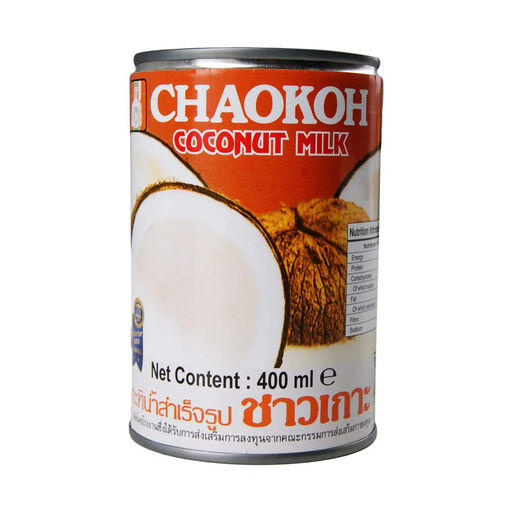 No image available
A 400ml tin to consider when the recipe calls for coconut milk rather than a coconut drink. Check the current pack’s ingredients and precautionary wording for any guest with an allergy.
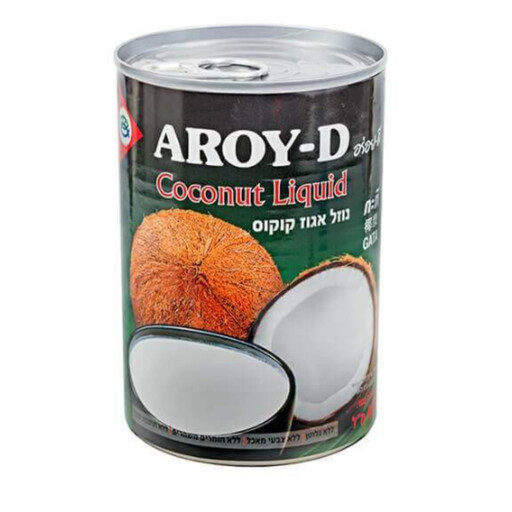 No image available
A 400ml coconut milk with 17% fat stated in its name. The product information flags possible traces of milk and soya: check the current pack’s precautionary wording before serving anyone who avoids either.
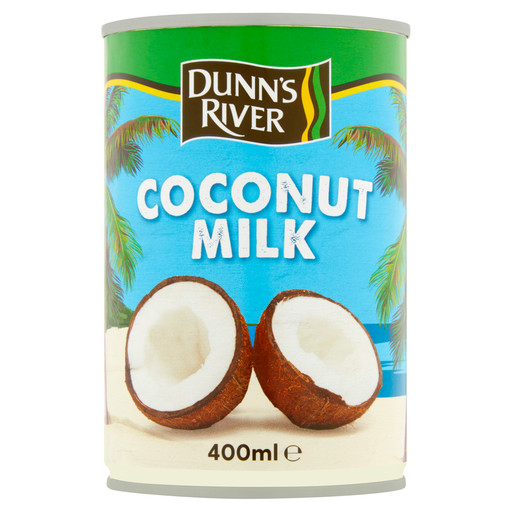 No image available
A 400ml coconut milk for recipes that call for a cooking ingredient. Do not rely on a general free-from description when serving an allergy-sensitive guest; read the current pack and any precautionary wording.
 No image available
This 400ml cooking coconut milk lists 80% coconut extract, 19g fat and 17g saturates per 100ml. Its Joybuy product information says “Allergens: NONE” while listing coconut extract as an ingredient; clarify the current pack’s allergen information before serving an allergy-sensitive guest.
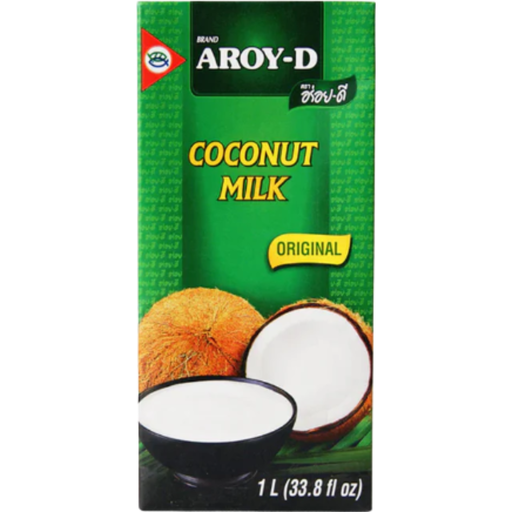 No image available
The 1L carton is worth considering when a larger recipe will use more coconut milk. If you will use only part of it, follow the pack’s storage instructions and check its allergen information before serving guests.
No coconut-based name or vegan label replaces checking the exact pack. For a dairy-free Mexican-night dish, read its current ingredients, allergen information and any precautionary statement before serving it to someone who avoids milk.
Not as a like-for-like choice when the sauce relies on creaminess. Koko Coconut UHT Drink contains 11% coconut milk and 2.5g fat per 100ml, according to its Sainsbury’s listing; choose a product sold for cooking when the recipe calls for cooking coconut milk.
Check the current prepacked label for the exact product, including ingredients and precautionary wording relevant to the guest. Sainsbury’s advises checking packaging because ingredients can change and warns of possible cross-contamination with foods prepared in an open in-store environment.
Follow the instructions on the pack you open, including whether to transfer leftovers to another container, refrigerate them and use them within a stated period. Plan another use before opening a pack that your recipe will not finish.
Not necessarily: Tesco and Waitrose describe separation or solidification at low temperatures for their coconut milks and advise shaking or gentle warming. Follow the directions and date on your exact pack, and do not use a product if you have reason to think it is unsafe.