Older adults who use coconut milk in meals
For curries, soups or desserts, coconut milk can provide the intended flavour and texture. Treat it as one cooking ingredient rather than relying on it for the meal’s protein.


Choose coconut milk made from ripe coconut as a cooking ingredient for curries, soups or desserts, not because “mature” means it is formulated for older adults. For drinking or cereal, consider a coconut drink with declared calcium and vitamin D; if saturated fat matters, compare standard and reduced-fat cooking milks by their labels and the amount used in each portion.
For curries, soups or desserts, coconut milk can provide the intended flavour and texture. Treat it as one cooking ingredient rather than relying on it for the meal’s protein.
If the product is for drinking or cereal, look for a drink with calcium and vitamin D declared on its label. Do not assume a can of cooking coconut milk has the same added nutrients.
The NHS identifies coconut milk and coconut cream as sources of saturated fat. Compare the label and the quantity used in a recipe, particularly when following individual dietary advice.
Choose for: Curries, soups, sauces or desserts that call for a creamy coconut ingredient.
Keep in mind: It is not a like-for-like substitute for a fortified drink or a protein-containing part of the meal.
Choose for: Recipes needing coconut flavour when the amount of fat or saturates is an important consideration.
Keep in mind: Check the nutrition panel; “reduced-fat” alone does not tell you how much saturated fat a portion contains.
Choose for: Drinking or cereal when a dairy-free option with declared calcium and vitamin D is wanted.
Keep in mind: Fortification does not establish that the drink supplies enough protein for the wider diet.
| Priority | What to check | Your needs |
|---|---|---|
| Protein and added nutrients | Check protein per 100ml and whether calcium and vitamin D are declared. Consider what else the meal or daily diet supplies. | If I’m choosing a regular dairy-free drink for an older adult, I want its added nutrients stated rather than assuming all coconut products contain them. |
| Saturated fat | Compare saturates per 100ml and the amount used per portion. The NHS lists coconut milk and coconut cream as saturated-fat sources. | For a curry made with coconut milk, the quantity in each serving matters to me as well as the figure on the pack. |
| Product type | Check whether the pack is a cooking milk or a drink, and read its ingredients and suggested uses. Ripe-coconut origin does not indicate added nutrients. | I want a cooking ingredient for a recipe, or a drink for cereal; those are different purchases. |
| Current pack label | Read the ingredients, allergen information, nutrition panel and storage instructions on the pack being bought. | When shopping for someone with an allergy or specific dietary instructions, I need to check the actual product before serving it. |
A canned coconut milk may add richness to food without supplying the declared calcium and vitamin D of a fortified drink. Tesco Groceries lists 1g protein per 100ml for Pride Coconut Milk.
Decide whether the product is for a recipe or for drinking, then check the nutrients that matter for that use and the rest of the meal.
The NHS lists coconut milk among saturated-fat sources. Tesco Groceries lists 12g saturates per 100ml for Pride Coconut Milk, so the recipe quantity affects what ends up in a serving.
Compare saturates on the current labels of standard and reduced-fat options, using the portion you expect to serve.
Ingredients and nutrition information can change when a product is reformulated. Tesco advises shoppers to read the label rather than rely solely on its online information.
Check the current pack’s ingredients, allergens, nutrition declaration and storage instructions, especially when buying for someone with an allergy or a medically directed diet.
Opened-pack instructions differ between products. Tesco Groceries says to refrigerate Pride Coconut Milk after opening and consume it within three days.
Plan the pack around the intended recipes or drinks, and follow that product’s own storage instructions.
These examples illustrate different coconut-product formats; a brand name alone does not establish the nutrition of every product in its range.
A coconut-based drink option for drinking or cereal rather than a canned cooking milk.
A retailer listing that provides nutrition information for cooking coconut milk.
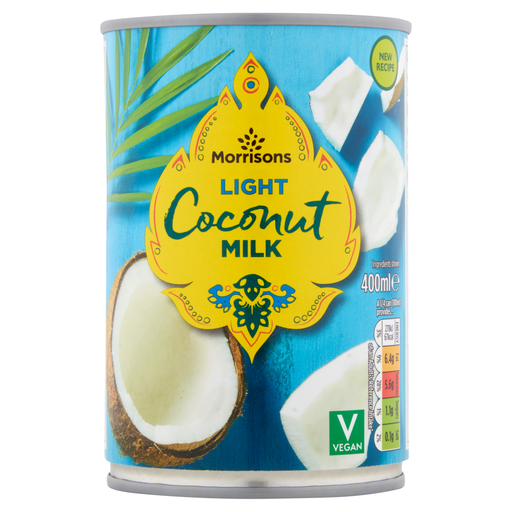
A reduced-fat coconut milk option described by M&S for cooking, including Thai curries.
A cooking coconut milk made from ripe coconut kernel, as described in its Tesco Groceries listing.
These options include a coconut barista drink and two cooking milks, one labelled reduced-fat and one labelled 17% fat. If ripe-coconut origin is essential, check the individual pack rather than inferring it from the product type.
 No image available
A drink option for coffee rather than canned coconut milk for cooking. If choosing it for regular drinking, check the current pack for added nutrients, protein and ingredients.
 No image available
A canned cooking option for recipes where the fat content is a consideration. Compare the current pack’s saturates figure and the amount used per portion; check coconut origin if ripe coconut is required.
 No image available
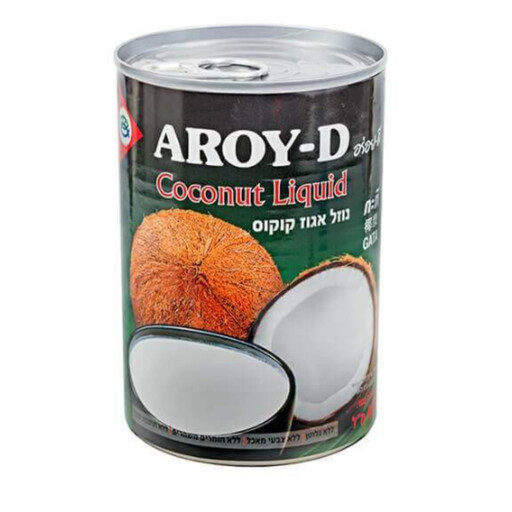
A cooking coconut milk to consider for savoury or sweet recipes. Check the pack’s saturates figure and planned portion, as well as coconut origin if ripe coconut is important to the recipe.
No. “Mature” or “ripe” describes the coconut used to make the milk, not its suitability as a nutritional staple. Blue Dragon describes coconut milk made by pressing ripe coconut kernel and blending the extract with water; check the finished product’s nutrition label for protein and any added nutrients.
Do not assume it can replace a drink chosen for its calcium, vitamin D or protein. The NHS identifies those nutrients as relevant in older age, while canned cooking milk and fortified coconut drinks have different uses and labels. Compare the specific products alongside what the rest of the diet supplies.
Check saturates on the current pack and how much coconut milk each person will eat in the finished recipe. The NHS lists coconut milk as a saturated-fat source; compare standard and reduced-fat products by their nutrition figures rather than their names alone, and follow any individual dietary advice.
Follow the instructions for the particular pack. Tesco Groceries instructs shoppers to refrigerate Pride Coconut Milk after opening and consume it within three days; that period should not be applied to another product.
Read the current pack’s ingredients and allergen information before serving it. UK government food-labelling guidance says businesses must tell consumers about 14 specified allergens when they are ingredients in food or drink; an older online listing may not reflect the pack being bought.