Hosts making party food
If the menu includes curries, soups, puddings or sundaes, choose an ingredient intended for cooking rather than assuming a coconut drink will suit the recipe.


For party curries, sauces and desserts, start with a cooking coconut milk; use coconut cream or a creamed-coconut block when the recipe calls for a concentrated ingredient, and choose a coconut drink for beverages. “Mature” describes the fully grown coconut used to make coconut milk, not how rich the finished product will be. Check the exact pack’s ingredients, allergy advice and storage directions before serving guests.
If the menu includes curries, soups, puddings or sundaes, choose an ingredient intended for cooking rather than assuming a coconut drink will suit the recipe.
For tea, coffee, cereal or a drinks table, look for a pourable coconut drink. It is a different format from culinary coconut milk.
Compare the current packs’ ingredients, precautionary allergy advice, nutrition panels and storage instructions before deciding what to serve.
Decide what you are making before comparing coconut content, nutrition and pack instructions.
Choose for: Curries, soups or desserts whose recipe calls for culinary coconut milk.
Bear in mind: Compare saturated fat on the labels of products that suit the recipe, and consider the amount used.
Choose for: Recipes that call for a more concentrated coconut ingredient or specify cream.
Bear in mind: A creamed-coconut block needs preparing or diluting; it is not ready-to-pour milk.
Choose for: A pourable beverage for a drinks table, tea or coffee.
Bear in mind: Do not assume it will give a curry or dessert the same result as the cooking ingredient named in the recipe.
| Priority | What to check | Your needs |
|---|---|---|
| Product format | Check whether the pack says cooking coconut milk, coconut cream, creamed coconut or coconut drink. Compare the recipe wording with the product’s stated use. | I’m making a curry or dessert and want to buy the cooking ingredient it calls for, rather than a drink. |
| “Mature” on the label | Discover Food describes coconut milk as coming from the white pulp of fully grown mature coconuts. Check the finished product’s ingredients and intended use instead of using that word to judge its thickness. | I want to know what is in the product I’ll serve, not rely on a description of the coconut it came from. |
| Nutrition and portions | Compare fat and saturates using the units shown on each nutrition panel, such as per 100g or per 100ml. Consider how much the recipe uses. The NHS advises cutting down on foods and drinks high in saturated fat. | If several dishes contain coconut, I want to see how the chosen products fit into the menu. |
| Allergy and storage advice | Read the exact pack’s ingredients and precautionary statements. Check its directions for storing and using any opened product; these can differ between products. | I’m serving several guests and need to check what each product contains and how to handle leftovers. |
Discover Food uses “mature” to describe the fully grown coconut from which coconut milk is made. That word alone does not tell you whether the finished product is a cooking milk or a drink.
Choose the format for your recipe first, then read the ingredients and nutrition panel.
Koko Dairy Free labels its Cuisine Coconut Milk as a cooking product and its Original Like Milk as a drink; their listed coconut ingredients differ. A recipe written for cooking coconut milk should not be assumed to work the same way with the drink.
Use the format specified by the recipe, or check whether the recipe explicitly allows a coconut drink.
Plant-based products can still contain saturated fat. The NHS advises cutting down on foods and drinks high in it.
Compare the panels of suitable products using the same displayed unit, and account for the quantity going into each dish.
Allergy and storage advice must apply to the product actually being served. For example, Waitrose’s Blue Dragon Creamed Coconut listing carries precautionary nut and peanut advice; that does not describe every coconut product.
Read the current physical pack before preparing food for guests, and follow that pack’s storage directions.
These examples show how differently coconut products can be labelled; check the particular product rather than applying one pack’s details to a whole brand.
Marks & Spencer presents its Coconut Milk as a cooking ingredient for curries, soups and sundaes.
Koko Dairy Free has distinct Cuisine Coconut Milk and Original Like Milk products.
Tesco Groceries lists coconut cream and light coconut milk in its coconut-products category.
Waitrose lists Blue Dragon Creamed Coconut Block as a concentrated coconut product.
These options cover cooking coconut milk, a reduced-fat cooking variant and a creamed-coconut block for recipes. Choose a drink separately if the party menu calls for a pourable beverage.
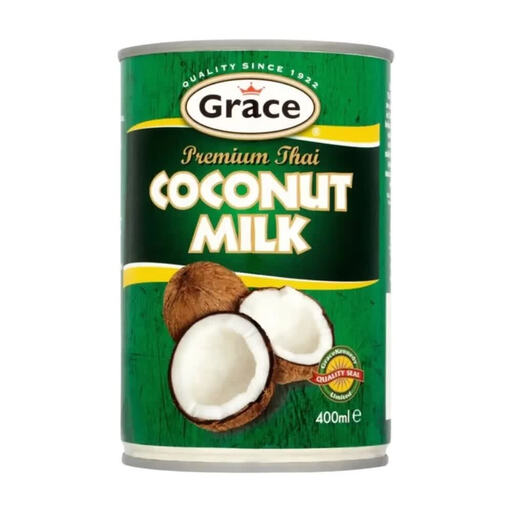 No image available
A cooking coconut milk listed for curries, soups, sauces and desserts. Check the current pack’s ingredients, allergy advice and directions for opened contents before serving.
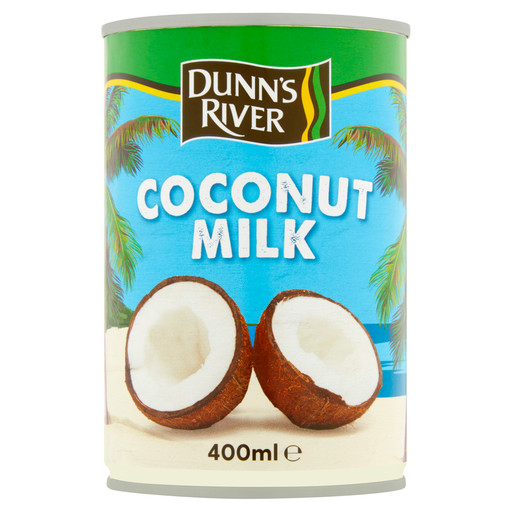 No image available
A canned cooking option listed for savoury dishes and desserts. Read the current pack’s allergy information and opened-can storage directions when planning party preparation.
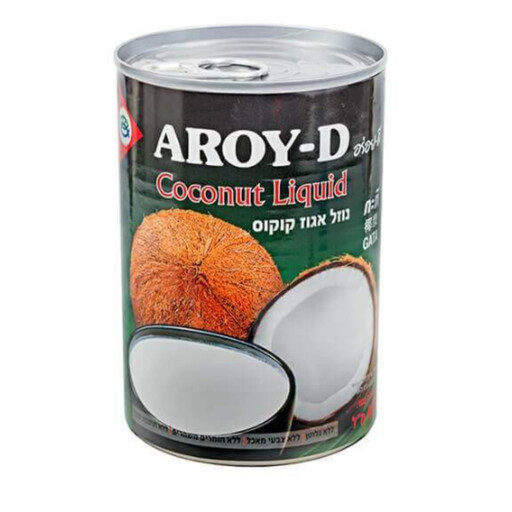 No image available
A cooking coconut milk listed for curries, laksas and desserts. The product information notes possible traces of soy and milk, so check the current pack against guests’ requirements.
No image available
A reduced-fat canned cooking option for dishes where the recipe allows that variant. For recipes that specifically depend on a richer coconut ingredient, check the recipe before substituting it; read the current pack’s allergy advice before serving.
 No image available
A concentrated block for recipes that call for creamed coconut. It needs grating or dissolving rather than pouring straight from the pack; check the portion needed and the current pack’s allergy advice.
It describes the fully grown coconut used to make the milk, according to Discover Food. It does not tell you whether the finished product is a cooking milk, cream or drink, so check the format and label for the dish you are making.
Start with the coconut ingredient specified by the recipe. Marks & Spencer presents its culinary Coconut Milk for sundaes; choose coconut cream or a creamed-coconut block when the recipe calls for a concentrated product or explains how to dilute one.
Use a coconut drink in its place only when the recipe allows it or you are prepared for a different result. Koko Dairy Free identifies Original Like Milk as a drink and Cuisine Coconut Milk as a cooking product, so their roles should not be assumed interchangeable.
Read the ingredients and precautionary allergy statements on the exact current pack before serving. Waitrose’s Blue Dragon Creamed Coconut listing, for example, says the product may contain nuts and peanuts; do not apply that statement to other coconut products.
Follow the directions on the pack you bought. Marks & Spencer’s Coconut Milk instructions specify transferring unused contents to a non-metallic container, covering and refrigerating them, then using them within two days; that timeframe should not be assumed for another product.