Roast cooks making a coconut-based sauce
If the dish depends on a thick coconut ingredient, start with a cooking tin. The British Heart Foundation describes tinned coconut milk as thick and creamy, in contrast with a mostly water-based carton drink.


For a roast-dinner sauce or side that needs a thick coconut ingredient, choose tinned coconut milk rather than assuming a carton drink will work as a direct substitute. A carton coconut drink suits a pourable role; compare its sugars and fortification, while checking a tin’s ingredients and saturated fat if those details matter to your recipe.
If the dish depends on a thick coconut ingredient, start with a cooking tin. The British Heart Foundation describes tinned coconut milk as thick and creamy, in contrast with a mostly water-based carton drink.
If you need a pourable dairy alternative alongside the meal, compare sugars and added nutrients on the exact carton. The UK Office for Health Improvement and Disparities notes that plant-based drinks vary in nutrient content and fortification.
If you have ingredient preferences or are serving someone with an allergy, read the current pack’s ingredients, allergen statements and storage directions. Coconut products with similar names can have different formulations and warnings.
Choose it when: Your sauce, soup-style side or dessert calls for a thick coconut cooking ingredient.
Bear in mind: Check the tin’s saturated fat and whether coconut flavour fits the finished dish.
Choose it when: You need a pourable dairy-alternative liquid and the recipe can accommodate a thinner result.
Bear in mind: The British Heart Foundation describes carton coconut drink as mostly water with a smaller coconut proportion than cooking milk.
| Priority | What to check | Your needs |
|---|---|---|
| Cooking texture | Check whether the recipe calls for tinned coconut milk or a pourable drink. Compare coconut content on the exact products rather than assuming that either format gives the same result. | I’m making a coconut-based roast sauce that needs body, so I would start with a tin rather than substitute a carton without adjusting the recipe. |
| Sugars and fortification | Read sugars per 100ml and the listed added nutrients. The UK Office for Health Improvement and Disparities notes that fortification varies among plant-based drinks. | For a drink to use beyond the roast, I want to choose the carton’s sugars and fortification deliberately, not assume every coconut drink has the same composition. |
| Fat and saturated fat | Compare the nutrition panels on the same measurement basis: per 100ml or per 100g. Reduced-fat tins still need their own label check. | If saturated fat affects my choice, I’ll compare the exact packs while keeping the recipe’s need for a cooking ingredient in mind. |
| Ingredients and separation | Read the ingredient list for additions such as stabilisers, emulsifiers or rice. Follow any instruction to shake a tin before use; Sainsbury’s notes that its Tropical Sun coconut milk can naturally separate. | I prefer a short ingredient list, and I’m happy to shake a tin if its coconut cream and liquid have separated. |
| Allergens and storage | Check ingredients and precautionary statements on the current pack, then follow its refrigeration and use-after-opening directions. | I’m serving guests with dietary restrictions or planning leftovers, so the exact pack instructions matter more than a broad dairy-free description. |
A sauce that relies on thick coconut milk may turn out thinner with a mostly water-based carton drink. The British Heart Foundation distinguishes the two formats by composition and usual use.
Buy for the recipe’s intended format. Use a carton in place of a tin only if a thinner result works for that dish.
Reduced-fat identifies a particular variant, not its saturated-fat value. The Joybuy listing for Amoy Reduced Fat Coconut Milk, for example, states 7.7g saturates per 100ml.
Compare saturated fat on the exact packs using matching per-100ml or per-100g figures, while allowing for differences in cooking texture.
Allergen statements can change the decision: Marks & Spencer says its Creamy Coconut Drink is not suitable for people with a milk allergy.
Before serving someone with an allergy, read the ingredients and any precautionary statement on the physical pack.
Sainsbury’s explains that Tropical Sun coconut milk can separate into thicker cream and thinner liquid in the tin.
Follow the pack’s shaking instructions before use, and follow its directions for refrigerating and using leftovers.
These examples show why the exact carton or tin matters; a retailer’s range does not make its products interchangeable.
A carton-drink reference for shoppers comparing sugars and added nutrients, rather than a tinned cooking milk.
An unsweetened carton-drink example, not evidence of how a cooking tin will perform.
A retailer reference for comparing named coconut drinks and own-label carton options.
A retailer reference for comparing a cooking tin with carton coconut drinks.
Separate carton and tin products illustrate why format and pack details need individual checks.
A retailer reference for checking standard and reduced-fat tins, coconut cream and carton drinks as distinct options.
These tins are options for a roast recipe calling for coconut milk, including a reduced-fat variant. They are cooking products, not a selection of carton coconut drinks.
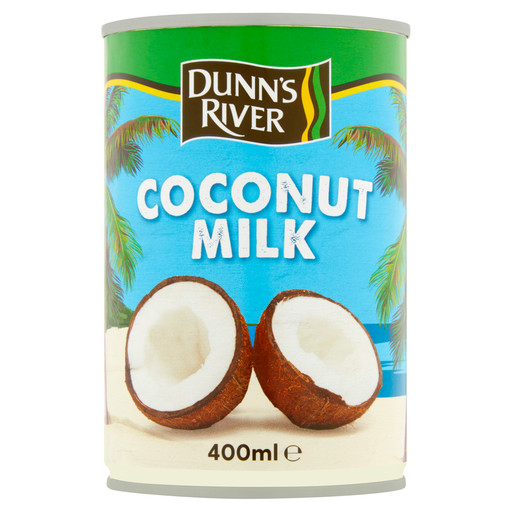 No image available
A tinned option for a coconut-based sauce or side. Its listing states 60% coconut extract and includes guar gum; compare the current pack’s saturated fat and allergen information before serving guests with an allergy.
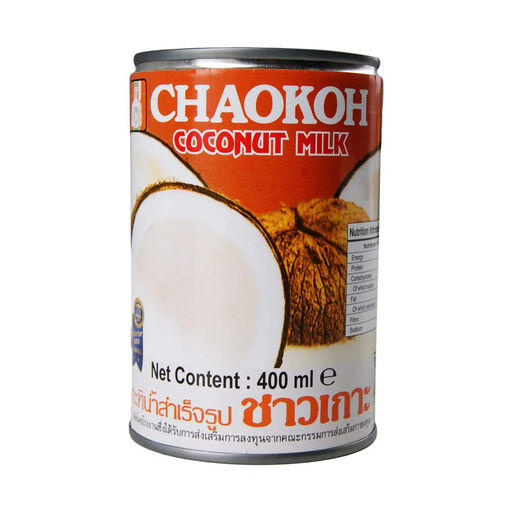 No image available
A cooking tin to consider when the recipe calls for coconut milk rather than a carton drink. The listing states 53% coconut extract and includes citric acid; check the current pack for ingredients, allergens and directions for leftovers.
 No image available
A cooking tin for shoppers comparing short ingredient lists: Joybuy lists coconut extract and water. The listing advises shaking to redistribute natural separation, then refrigerating the milk after opening and using it within three days.
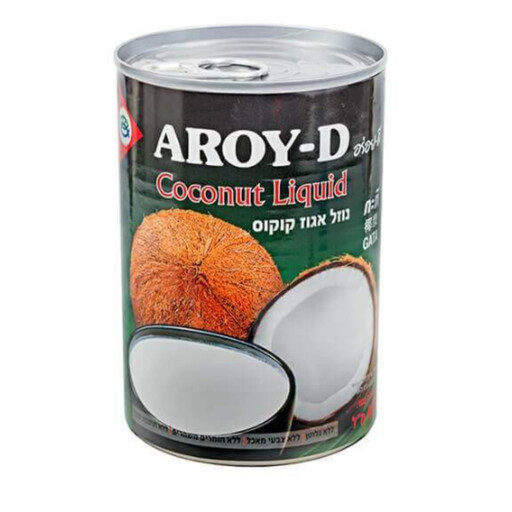 No image available
A 400 ML tin for recipes requiring coconut milk; the product title states 17% fat. The listing includes an emulsifier and stabiliser and warns of possible soy and milk traces, so check the current pack if allergy suitability matters.
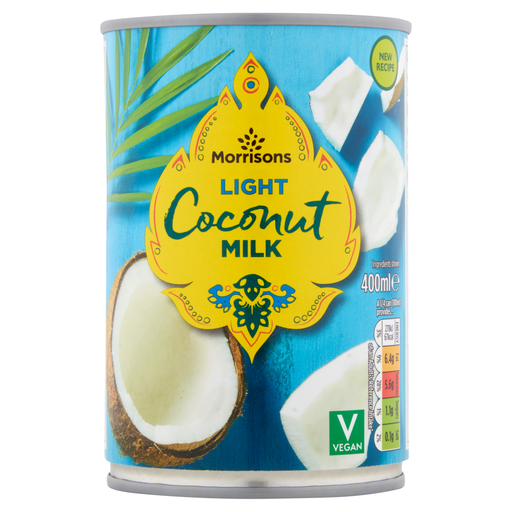 No image available
A reduced-fat tin to consider when the recipe still calls for a cooking ingredient. Its listing states 5.6g saturates per 100ml; check whether this variant gives the result your recipe needs, and read the current pack before serving anyone with an allergy.
Not as a direct swap when the sauce needs the thickness of tinned coconut milk. The British Heart Foundation describes carton coconut drink as mostly water with a smaller coconut proportion; use it only if a thinner sauce suits the recipe.
Read the same per-100ml or per-100g measure on the exact packs. For example, Alpro UK lists 1.1g saturates per 100ml for Coconut No Sugars, while Sainsbury’s lists 13.8g per 100ml for its tinned Coconut Milk; they serve different cooking roles as well as having different figures.
Shake it when the pack instructs you to. Sainsbury’s notes that its Tropical Sun coconut milk can separate into thicker cream and thinner liquid, and advises shaking before use.
Follow the time and storage directions on the exact pack. The cited Sainsbury’s coconut-milk tin says to refrigerate and use it within three days; the cited Koko and M&S carton drinks each state five days after opening.
Do not decide from vegan wording alone: M&S says its Creamy Coconut Drink is not suitable for people with a milk allergy. Check the current pack’s ingredients and precautionary statements for the product you intend to serve.