Winter curry and soup cooks
If a curry, soup, sauce or braise needs coconut milk to give it body, start with a cooking product rather than a carton drink intended for coffee or cereal.


For a winter curry, soup or dessert that relies on coconut milk for body, choose a cooking tin rather than a carton coconut drink: the formats serve different purposes, and swapping them can change the dish’s texture. Choose between regular and reduced-fat cooking milk by the result your recipe needs, then compare the current packs’ ingredients and saturated-fat values.
If a curry, soup, sauce or braise needs coconut milk to give it body, start with a cooking product rather than a carton drink intended for coffee or cereal.
Regular and reduced-fat cooking tins offer different choices. Check the saturated-fat value on each pack and consider how much the recipe uses; a “light” label alone does not settle the comparison.
For coffee, cereal or drinking, look at carton coconut drinks. Their ingredients and any added vitamins or minerals matter more to this choice than how they would perform as a curry base.
Match the format to the recipe first, then compare like-for-like pack information and any storage or allergen instructions that matter in your household.
| Priority | What to check | Your needs |
|---|---|---|
| Cooking format | Check whether the product is a cooking coconut milk or a carton drink. For a cooking product, read the ingredients and any declared coconut-extract percentage; that figure alone is not a taste test. | I’m making a curry, soup or dessert that depends on a substantial coconut base, rather than adding a coconut drink to coffee or cereal. |
| Regular or reduced-fat | Compare the products’ nutrition panels on the same per 100g or per 100ml basis, and check how much your recipe uses. The British Heart Foundation notes that reduced-fat tinned coconut milk is still a high-fat food. | A less rich finish may work in my dish, but I still want to know what the reduced-fat tin declares before choosing it over a regular one. |
| Storage and allergens | Read the current pack for opened-product storage instructions and allergen warnings; these vary by product. Check any directions for shaking or warming separated coconut milk. | Leftovers need to fit my cooking plans, and anyone with an allergy needs the warning on the pack I’m actually buying. |
A drink intended for coffee or cereal may leave a curry or dessert thinner than a recipe designed around cooking coconut milk.
Choose a cooking product when the recipe needs a concentrated coconut base; use a carton drink when the recipe specifically calls for one.
Reduced-fat cooking coconut milk is not the same format as a carton drink. The British Heart Foundation describes even reduced-fat tinned coconut milk as a high-fat food.
Compare saturated-fat declarations on a consistent per 100g or per 100ml basis, as well as the amount going into the dish.
Instructions for opened coconut milk and allergen warnings are product-specific. Blue Dragon’s product information, for example, says it may contain peanuts and nuts.
Read the current physical pack before buying for someone with an allergy, and follow that product’s instructions for leftovers.
Koko describes its Cuisine coconut milk as a resealable cooking product, but says retailers have decided not to list the range.
Confirm that you can obtain it before building a recipe around that particular product; otherwise, choose a cooking coconut milk that is available to you.
These brand examples illustrate different cooking and drinking formats; a brand’s presence here does not establish that a particular product is available from Joybuy.
Sainsbury's lists a 400ml own-label cooking coconut milk.
M&S lists a 400ml cooking coconut milk for dishes including curries and soups.
Tesco lists regular and light cooking coconut milks.
Waitrose lists 400ml Essential Coconut Milk and Essential Reduced Fat Coconut Milk alongside other coconut cooking products.
Koko distinguishes its Cuisine cooking coconut milk from its coconut-based drinks.
Alpro’s coconut products here are carton drinks for uses such as cereal and coffee, not tinned curry bases.
These Joybuy options are cooking coconut milks for curries, soups, sauces or desserts. Compare their stated details and current packs rather than treating the list as a comparison with carton drinks or reduced-fat tins.
 Image unavailable
A cooking carton to consider for curries, soups, sauces or desserts. The stated 19% fat distinguishes this variant; its listed saturated-fat value is 17g per 100ml. If allergies are relevant, check the current pack rather than relying on the listing’s conflicting allergen wording.
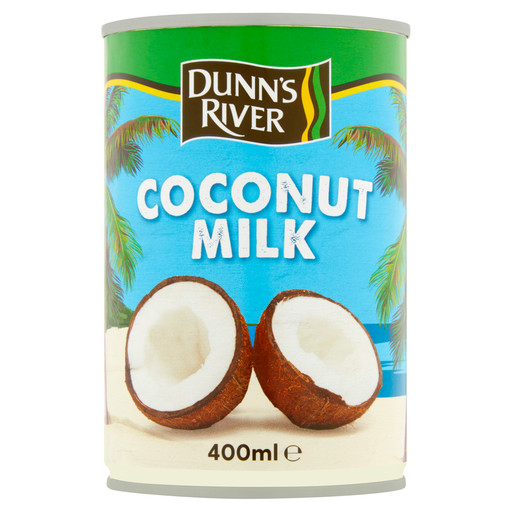 Image unavailable
A tinned cooking option for curries, soups, stews or desserts. Its listed saturated-fat value is 19g per 100ml. Follow the current pack’s directions for transferring and storing any contents left after opening.
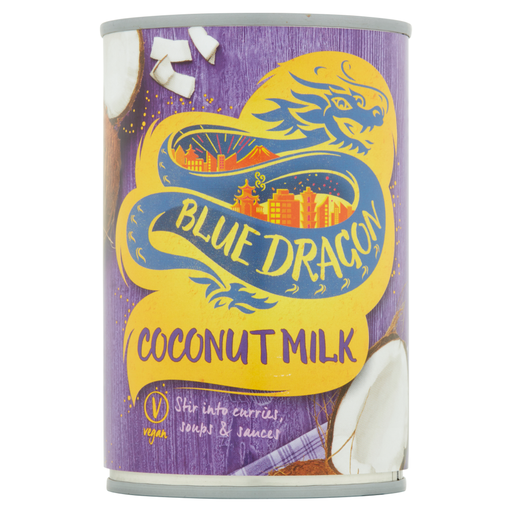 Image unavailable
A cooking milk for curries and soups; Tesco’s Blue Dragon product information declares 56% coconut extract. The product information also says it may contain peanuts and nuts, so check the current pack if an allergy is relevant.
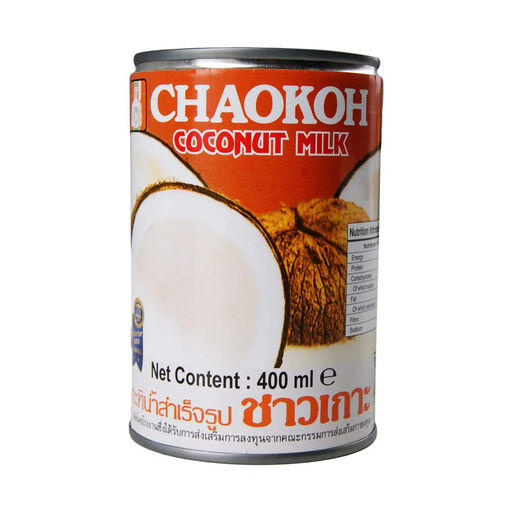 Image unavailable
A tinned option for savoury dishes or desserts. Its listed saturated-fat value is 14.7g per 100g; compare it on a consistent basis with other packs, some of which give values per 100ml.
 Image unavailable
A cooking can for recipes such as curries, soups, stews or desserts. If coconut-extract concentration matters to your recipe, check the current pack for its percentage; use that pack’s nutrition panel for comparisons too.
No. Carton coconut drinks are intended for uses such as coffee, cereal and drinking, while cooking coconut milk is the format to look for when a curry, soup or dessert needs a substantial coconut base. Check which format your recipe specifies before substituting one for the other.
Choose a regular cooking product when the recipe relies on a rich coconut base; consider a reduced-fat cooking product when a less rich finish works for the dish. Compare the current packs’ saturated-fat values and portions: the British Heart Foundation notes that reduced-fat tinned coconut milk is still a high-fat food.
Coconut milk can separate or solidify in cold conditions. Follow the product’s instructions for shaking or warming it, and check the pack condition, date and label directions before using it.
Follow the instructions on the particular pack, including whether to transfer the contents from the can and how long to keep them refrigerated. Storage directions differ between products, so do not apply one brand’s period to another.
Read the ingredients and allergen warning on the current physical pack, rather than assuming all coconut milks carry the same wording. Blue Dragon’s product information, for example, says its coconut milk may contain peanuts and nuts.