What should you check before buying?
Start with the intended use, then check the exact pack’s nutrition and storage instructions.
| Priority | What to check | Your needs |
|---|
| Cooking or drinking |
Check whether the product is tinned cooking milk or a carton drink. The British Heart Foundation distinguishes their intended uses; coconut water is different again. |
I want a coconut base for a curry, not a drink that will change the recipe’s texture. For cereal or a hot drink, I’m looking for a carton product instead. |
| A baby’s main drink |
Check the child’s age and intended use. Just One Norfolk NHS says plant-based milks are not suitable as the main drink under 12 months; breast milk or first infant formula remains the main drink until age one. |
If I’m feeding a baby under one, I need to keep a cooking ingredient or coconut drink separate from the decision about their main milk. |
| Carton nutrition |
Compare sugars, added calcium and vitamins, and protein on the exact carton. Alpro UK lists 0.0 g sugars and 0.2 g protein per 100 ml for Coconut No Sugars; Sainsbury’s lists calcium and vitamins D2 and B12 for Koko Unsweetened. |
For my own dairy-free drink, I want to know what is added to this version and how much protein it contains, rather than choosing by coconut flavour alone. |
| Cooking portions |
Read saturates per 100 ml and consider how much the recipe uses. Tesco lists 13.0 g per 100 ml for its 400 ml can, while Sainsbury’s lists 13.8 g per 100 ml for its own-label can. |
I’d like a creamy dish, but the amount of tinned milk and the rest of the meal matter, particularly if the food will be shared with a baby. |
| Leftovers |
Check the opened-pack instructions before planning several meals from one can. Tesco says to refrigerate unused contents and consume them within two days; Sainsbury’s specifies three days for its own-label can. |
If I’ll use only part of a tin, I need a plan for the remainder that follows that product’s storage directions. |
Relevant brand and retailer ranges
These examples show how particular drinks and cooking tins differ; a brand name alone does not identify the format or nutrition.
Alpro
Its Coconut No Sugars is a carton drink for household use, not a tinned cooking milk.
- Alpro UK lists 0.0 g sugars, 120 mg calcium and 0.2 g protein per 100 ml for Coconut No Sugars.
- Check protein and the nutrients on the exact variant; this drink must not replace an infant’s main milk before 12 months, according to Just One Norfolk NHS guidance on plant-based milks.
Koko
Koko Unsweetened Coconut UHT is a carton drink rather than a culinary tin.
- Sainsbury’s lists added calcium and vitamins D2 and B12 for this product.
- The cited label advises consulting a GP or qualified dietitian before using it as a main milk source for an infant under two years.
Tesco
Tesco’s cited 400 ml coconut milk is a cooking tin.
- Tesco lists 51% coconut extract for this can.
- It lists 13.0 g saturates per 100 ml and instructs users to refrigerate unused contents and consume them within two days.
Sainsbury’s
Its cited 400 ml own-label coconut milk is intended for cooking.
- Sainsbury’s lists 68% coconut extract for this can.
- The listing gives 13.8 g saturates per 100 ml and says to refrigerate after opening and use within three days.
Waitrose
Waitrose & Partners lists regular and reduced-fat Essential coconut milk in 400 ml cooking tins.
- The two named formats allow shoppers to compare the labels of regular and reduced-fat cooking milk.
- Read each tin’s nutrition panel rather than inferring its values from the reduced-fat name.
Joybuy tinned coconut milk for cooking
These are tinned coconut milks for the family-cooking side of the decision, including a reduced-fat-labelled option. They are not carton drinks or substitutes for a baby’s main milk.
 No image available
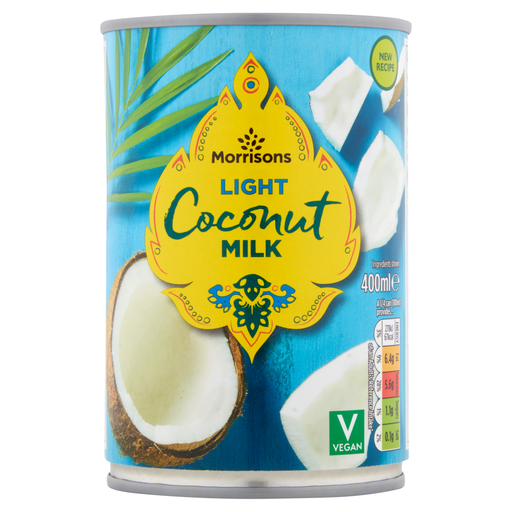
Morrisons Reduced Fat Coconut Milk 400ml
A tinned option for coconut-based cooking when you want to compare a reduced-fat-labelled variant with regular tins. Check the pack’s nutrition panel for the figures relevant to your recipe; plan to refrigerate opened contents and use them within the stated two days.
View on Joybuy
 No image available
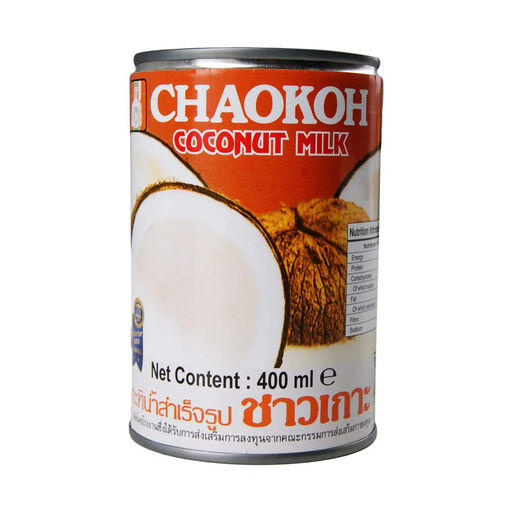
Chaokoh Tinned Coconut Milk 400ml
A cooking tin to consider for savoury dishes or desserts. Its stated nutrition uses a per 100 g basis, so check units before comparing it with a per 100 ml label; opened contents should be refrigerated in a non-metallic container and used within two days.
View on Joybuy
 No image available
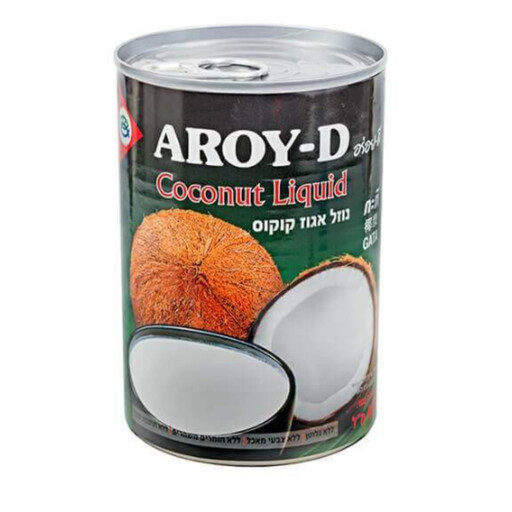
AROY-D Coconut Milk 17% Fat 400 ML
A tinned cooking option for curries, soups or desserts. Compare its per 100 g nutrition with other products on a like-for-like basis, and check the pack’s allergen information if soy or milk matters to your household. Opened contents should be refrigerated and used within three days.
View on Joybuy
 No image available
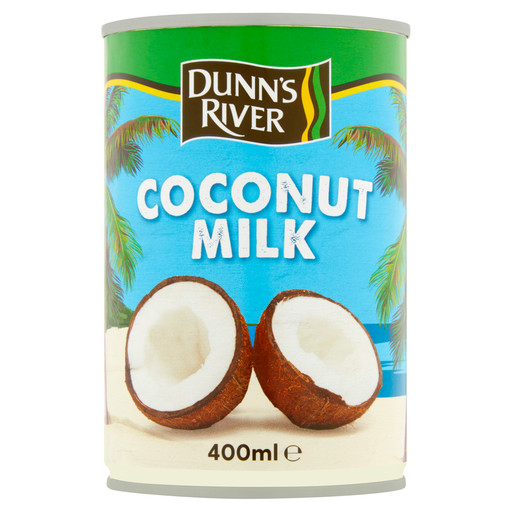
Dunns River Coconut Milk 400ml
A cooking tin for curries, soups and desserts. Consider the amount used in the wider meal, especially when cooking for a family; opened contents should be kept in an airtight, non-metallic container in the fridge and used within two days.
View on Joybuy
 No image available
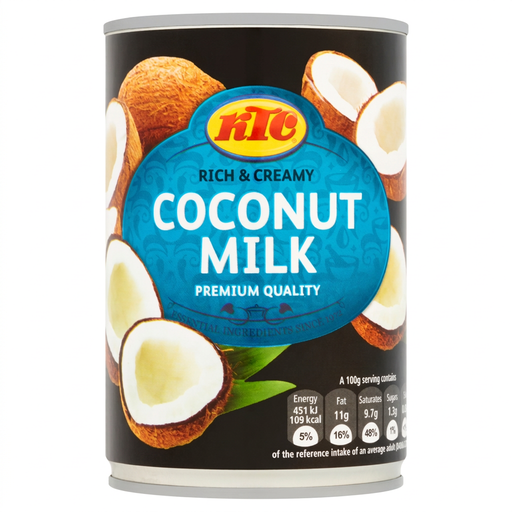
KTC Coconut Milk 400G
A tinned ingredient for curries or desserts. Check the current pack’s saturates figure if it affects your choice. Transfer opened contents to a covered, non-metallic container, refrigerate and use within two days.
View on Joybuy
Questions about coconut milk
Is tinned coconut milk the same as a carton coconut drink?
No. The British Heart Foundation distinguishes tinned coconut milk for cooking from carton coconut drinks intended as beverages. Choose a tin when a recipe calls for a coconut cooking base; choose a carton when you want a drink for yourself or cereal.
Can coconut drink replace breast milk or formula for a baby?
No, not as the main drink before 12 months. Just One Norfolk NHS advises continuing breast milk or first infant formula until age one and says plant-based milks are not suitable as the main drink during that period. Ask a health professional for individual advice about allergies, growth or a prescribed diet.
What should I compare on a dairy-free coconut drink?
Compare sugars, protein and the specific added nutrients on the carton. Alpro UK lists 0.2 g protein per 100 ml for Coconut No Sugars, while Sainsbury’s lists added calcium and vitamins D2 and B12 for Koko Unsweetened; neither detail establishes that every coconut drink has the same nutritional profile as dairy milk.
Can I use tinned coconut milk in food shared with a baby?
Consider the baby’s age and the whole recipe, rather than treating the tin as a main milk drink. NHS guidance says not to add salt to a baby’s food or give babies too many foods high in saturated fat. Check the coconut milk’s nutrition panel and seek individual feeding advice where needed.
How long can I keep an opened tin of coconut milk?
Follow that tin’s instructions, because the stated periods differ. Tesco says to refrigerate unused contents of its cited coconut milk and consume them within two days; Sainsbury’s says to refrigerate its own-label coconut milk after opening and use it within three days.


