For a school bake sale, choose tinned cooking coconut milk if the recipe calls for it, and check that the current pack supports any gluten-free claim you plan to make. A carton coconut drink suits a recipe written for that format, but is not an automatic substitute for a tin. Check every ingredient and the finished bake for milk, gluten and other relevant allergens.
Who is this for?
School bake-sale organisers serving gluten-free attendees
Check that the coconut milk and every other ingredient support the description you give the finished bake. Keep a record of its ingredients and allergens so attendees can make an informed choice.
Home bakers using coconut milk in cakes or fillings
If the recipe calls for tinned cooking coconut milk, start with that format rather than a drinking carton. The two formats can have substantially different coconut and fat contents, which matters when following a recipe.
Buyers checking for milk as well as gluten
Check the exact coconut product and the whole recipe. A dairy-free claim on one ingredient does not describe a bake that also contains butter, milk chocolate or another milk ingredient.
What should you check?
Start with the recipe’s required coconut format, then check the current packs and the allergen information you will give with the finished bake.
| Priority | What to check | Your needs |
|---|
| Gluten-free claim |
Read the current pack for an explicit gluten-free claim or certification where required, and check its ingredients and precautionary allergen statement. A retailer’s ingredient list alone is not confirmation. |
I need the coconut milk and the other ingredients to support the gluten-free description given to bake-sale visitors. |
| Finished-bake allergens |
Record ingredients in the flour, fats, chocolate and decorations as well as the coconut product. Check preparation and shared equipment for possible cross-contact. |
A coconut ingredient labelled dairy-free would not tell me whether the finished cake contains milk or other allergens. The Food Standards Agency identifies milk and cereals containing gluten as separate declarable allergens for food businesses in England, Northern Ireland and Wales. |
| Recipe format |
Check whether the recipe specifies tinned cooking coconut milk or a carton drink. Compare the stated coconut content and fat per 100 ml only where the products use comparable measures. |
For a cake or filling written for tinned coconut milk, I do not want to swap in a drinking carton without checking how the recipe works. Tesco lists 55% coconut extract for Amoy Rich & Creamy Coconut Milk; Sainsbury’s lists 9% coconut milk for Koko Unsweetened Coconut UHT. |
| Preparation |
Read the purchased pack’s directions for storage after opening and keep its ingredient and allergen details with the recipe record. |
If I am baking ahead of the sale, I need to follow the particular product’s storage instructions rather than assume all opened coconut milk keeps for the same length of time. |
Mistakes to avoid
-
Replacing a tin with a coconut drink without checking the recipe
A drink and a cooking coconut milk can differ substantially. Sainsbury’s lists 9% coconut milk and 1.4 g fat per 100 ml for Koko Unsweetened Coconut UHT, while Tesco lists 55% coconut extract and 17 g fat per 100 ml for Amoy Rich & Creamy Coconut Milk; those coconut percentages describe differently named ingredients.
Use the format specified by the recipe, or test a substitution before preparing bakes for the sale.
-
Assuming coconut means the finished bake contains no milk or gluten
Other ingredients and shared preparation equipment also matter. The Food Standards Agency identifies milk and cereals containing gluten as separate declarable allergens for food businesses in England, Northern Ireland and Wales.
Check each ingredient’s current label, review how the bake is prepared and keep an accurate ingredient and allergen record.
-
Using a retailer page in place of the purchased pack
Product information can change. Tesco, Sainsbury’s and M&S direct shoppers to check current labels; a page without an explicit gluten-free claim does not establish one for the can you buy.
Read the physical pack before baking and make sure the sale description reflects the ingredients actually used.
Brand and retailer references
These examples show why the exact product and format matter; a brand name alone does not establish gluten-free suitability.
Amoy
Amoy Rich & Creamy Coconut Milk is a 400 ml cooking product for sweet and savoury recipes.
- Tesco’s listing describes this particular product as gluten- and dairy-free and states 55% coconut extract.
- Check the current can before using it for a gluten-free-labelled bake; a product-page claim is not a substitute for the pack purchased.
Koko
Koko Unsweetened Coconut UHT is a carton drink, rather than tinned cooking coconut milk.
- Sainsbury’s describes this particular drink as free from dairy and gluten and lists 9% coconut milk.
- Use it where a recipe calls for a coconut drink; do not assume it will replace a tin in an untested bake.
Alpro
Alpro Coconut No Sugar is a plant-based carton drink to consider for drinks or recipes written for that format.
- The Sainsbury’s listing describes this exact variant as gluten-free and dairy-free.
- Check the variant on the pack; its claims should not be applied to every Alpro coconut product.
Sainsbury’s
Sainsbury’s own-label Coconut Milk is a 400 ml tinned cooking option.
- Sainsbury’s lists 68% coconut extract for this product.
- Check the current can for the allergen information needed before describing a bake made with it as gluten-free.
M&S
M&S Coconut Milk is a 400 ml cooking product described for curries, soups and sundaes.
- M&S lists 60% coconut extract for this particular product.
- M&S advises reading the product label because ingredients and allergen information may change; check the pack for any gluten-free claim needed for the sale.
Waitrose
Waitrose offers prepacked coconut milk that shoppers can inspect for ingredient and allergen details.
- Waitrose advises customers affected by allergy or intolerance to use packaging that details allergen information.
- Assess the exact product’s current pack before making a gluten-free claim for a bake.
Tinned coconut milk options on Joybuy
These are tinned cooking coconut milk options for recipes that call for that format. Before using any in a bake described as gluten-free, check the current can and every other ingredient.
 No image available
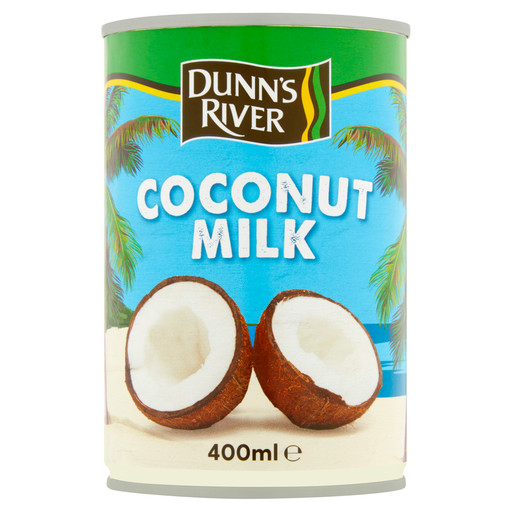
Dunns River Coconut Milk 400ml
A 400 ml tinned option to consider when the recipe calls for cooking coconut milk. Check the current can’s gluten-free and precautionary allergen information before using it for the sale.
 No image available
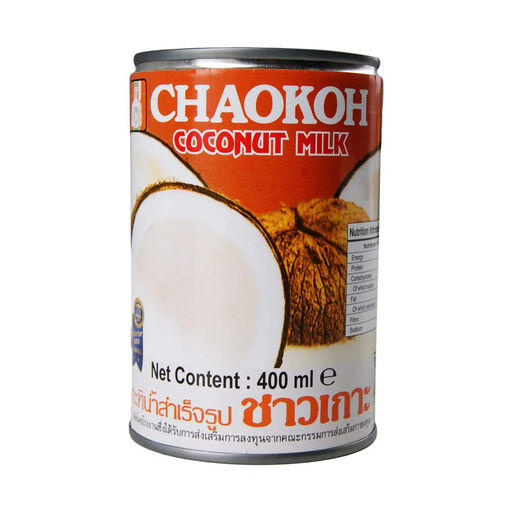
Chaokoh Coconut Milk 400ml Tin
A tinned coconut milk option for a recipe specifying that format. Check the current tin’s gluten-free and allergen statements, then include any relevant allergens in the finished bake’s ingredient record.
 No image available
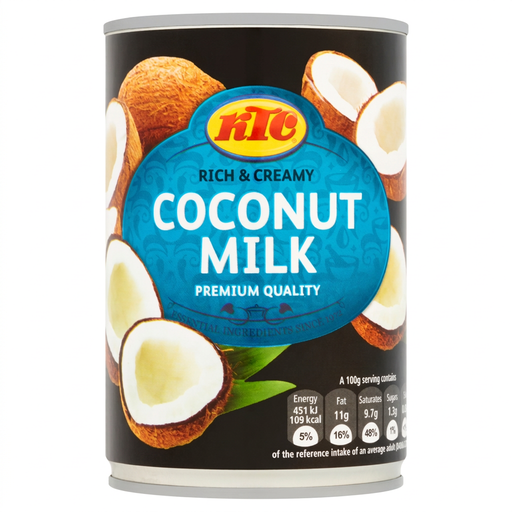
KTC Coconut Milk 400g
A 400 g coconut milk option for cooking or baking with a tinned ingredient. Read the purchased can for its gluten-free claim, if needed, and any precautionary allergen statement.
 No image available
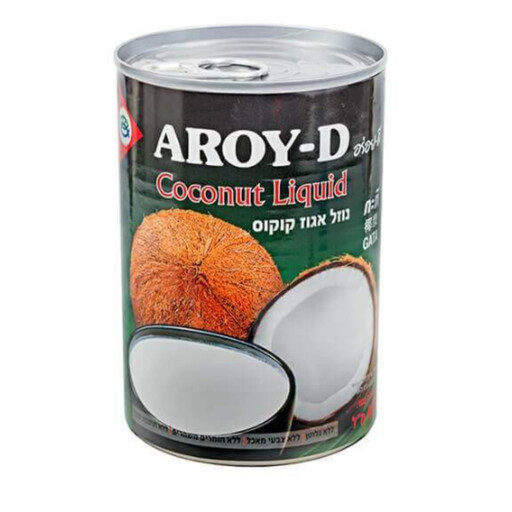
AROY-D Coconut Milk 17% Fat 400 ML
A tinned cooking option with 17% fat stated in its product name. Its product information warns that it may contain traces of milk and soya; check the current can and account for that statement when planning allergen information. Also check the pack before making any gluten-free claim.
 No image available
Tropical Sun Coconut Milk 100% Natural 400ml Can
A 400 ml can to consider for a recipe calling for tinned coconut milk. The name’s “100% Natural” wording does not establish gluten-free suitability; check the current can’s claim and precautionary allergen statement.
Frequently asked questions
Is coconut milk automatically dairy-free?
Check the exact product rather than relying on the category name. Tesco describes Amoy Rich & Creamy Coconut Milk as dairy-free, and Sainsbury’s gives dairy-free claims for the named Koko and Alpro drinks; those claims do not tell you whether the finished bake contains milk from another ingredient.
Is an ingredient list without wheat enough to call a bake gluten-free?
No. Check the current pack for a gluten-free claim or certification where needed, review every ingredient and precautionary statement, and consider how the bake is prepared. An online ingredient list alone does not establish the status of the purchased product or finished bake.
Should I bake with tinned coconut milk or a carton drink?
Follow the format specified by the recipe. Tesco lists 55% coconut extract and 17 g fat per 100 ml for Amoy’s tinned cooking milk, while Sainsbury’s lists 9% coconut milk and 1.4 g fat per 100 ml for Koko Unsweetened Coconut UHT. If you want to replace a tin with a drink, test the recipe rather than assuming the substitution will work.
Do allergen-information rules apply to a school bake sale?
That depends on how the event is organised and whether its organisers are acting as a food business. Food Standards Agency guidance for England, Northern Ireland and Wales requires food businesses to provide allergen information for prepacked and non-prepacked food. Ask the school what procedure applies to its sale, and provide an accurate ingredient and allergen record.


