What should you check?
Start with the recipe and the type of product, then compare like-for-like nutrition declarations and check allergen information where it matters.
| Priority |
What to check |
Your needs |
| Cooking ingredient |
Check whether the pack is intended for cooking, its coconut-extract percentage and its fat declaration. For example, Sainsbury’s lists 68% coconut extract and 14.8g fat per 100ml for its tinned coconut milk; the percentage alone does not establish how a finished dish will taste. |
I’m making a dessert or sauce that needs a coconut-based ingredient, and coconut flavour will suit the recipe. |
| Reduced-fat option |
Compare fat and saturates on the same per-100ml or per-100g basis. Tesco lists 33% coconut extract, 10.1g fat and 8.8g saturates per 100g for its light tin; check the recipe before substituting it for a standard version. |
A lighter tinned cooking ingredient matters more to me than choosing a product for richness. |
| Carton type |
Read the product description and ingredients: “carton” describes packaging, not whether the contents are a drink or a cooking milk. Tesco’s listing for Koko Unsweetened drink states 9% coconut milk and 1.4g fat per 100ml, while Koko also has a separate Cuisine cooking product. |
For coffee or pancakes, I’m looking for a drink. For a sauce or dessert, I’ll check that the carton is actually intended for cooking. |
| Milk-allergen information |
Read the current ingredient list and any “may contain” statement on the exact pack. The Food Standards Agency says a vegan label alone does not establish suitability for someone with a food hypersensitivity. |
I’m serving someone who must avoid milk, so their allergen requirements—not just a dairy-free or vegan description—determine which pack I can use. |
Coconut milk options on Joybuy
These options cover tinned coconut milk, a reduced-fat tin and a smaller carton intended for cooking. The carton shown here is not presented as a coconut drink for coffee.
 No image available
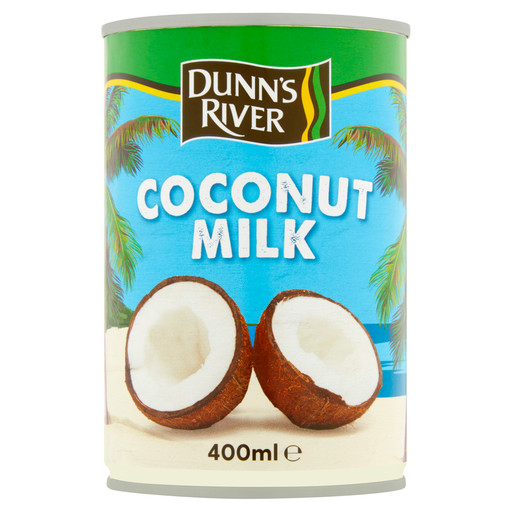
Dunns River Coconut Milk 400ml
A 400ml coconut milk option to consider for a dish or dessert where coconut flavour fits. Check the current pack’s ingredients and precautionary allergen information if serving someone with a milk allergy.
View on Joybuy
 No image available
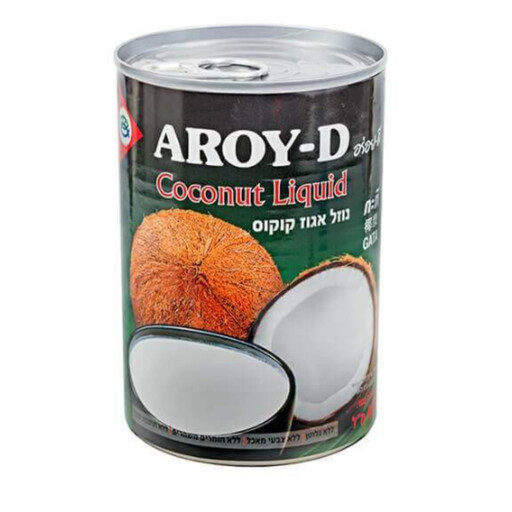
AROY-D Coconut Milk 17% Fat 400ml
A 400ml cooking option for a recipe where coconut flavour is welcome; the product name states 17% fat. The listing flags possible milk and soya traces, so check the current pack and do not assume it suits an allergy-sensitive guest.
View on Joybuy
 No image available
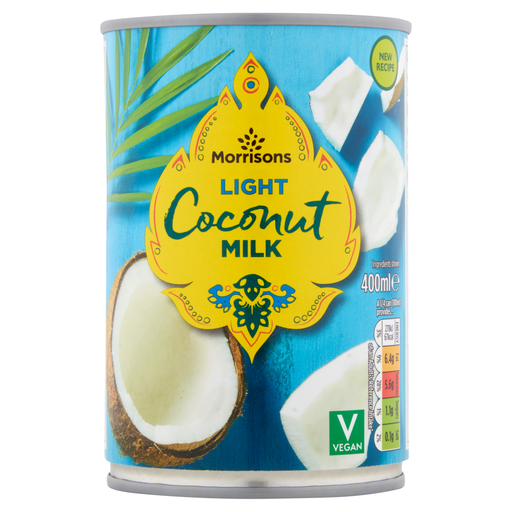
Morrisons Reduced Fat Coconut Milk 400ml
A reduced-fat tinned option if the recipe calls for cooking coconut milk and that distinction matters to your choice. Check the current nutrition panel and ingredients rather than assuming it will give the same result as a standard tin; check allergen information separately if needed.
View on Joybuy
 No image available
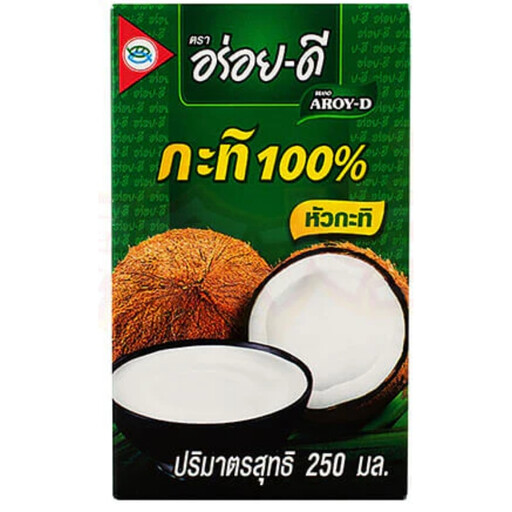
AROY-D Coconut Milk Carton 250ml
This 250ml carton is described for cooking, making its quantity worth checking against a smaller recipe. Do not treat it as a diluted carton drink simply because of its packaging; for a milk allergy, inspect the current ingredients and precautionary statement.
View on Joybuy
 No image available
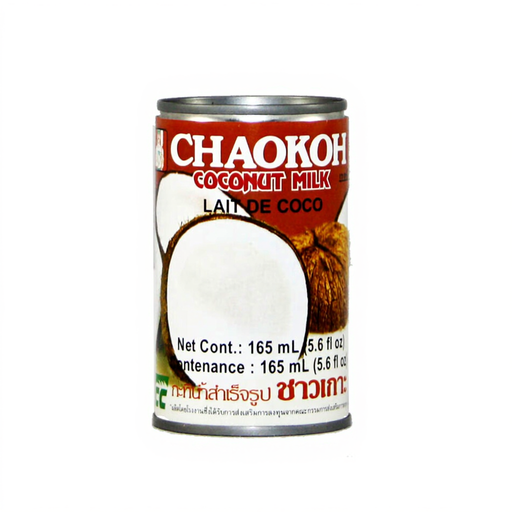
Chaokoh Coconut Milk 165ml Tin
The 165ml tin offers a smaller quantity for a recipe needing coconut milk. Check the current pack for its nutrition declaration, instructions after opening and allergen information before choosing it.
View on Joybuy
Questions about cooking and allergens
Can tinned coconut milk replace dairy in an Italian-style dessert?
It can be an option when coconut flavour suits the dessert. M&S presents tinned coconut milk as a vegan-friendly alternative for baking, but its tropical note means it will not reproduce the flavour of dairy in every recipe.
Is a carton coconut drink the same as tinned coconut milk?
No. Tesco’s listings give 9% coconut milk and 1.4g fat per 100ml for Koko Unsweetened drink, compared with 51% coconut extract and 15.0g fat per 100ml for Tesco’s tinned coconut milk. Check the exact carton, though: a carton sold as cooking coconut milk is not necessarily a drink.
Does a vegan label establish that coconut milk suits someone with a milk allergy?
No. The Food Standards Agency says vegan labelling should not be used in place of allergen labelling. Check the exact pack’s ingredients and precautionary allergen statement against the person’s requirements.
How should leftover tinned coconut milk be stored?
Follow the instructions on the particular pack. Tesco and Waitrose advise moving unused contents to a covered, non-metallic container, refrigerating them and using them within two days; Sainsbury’s listing specifies use within three days after opening.
Is Alpro Coconut Barista suitable for a soya-free guest?
The Alpro Coconut Barista product described by Sainsbury’s contains soya, so it is not a choice for someone who must avoid that ingredient. Check the current pack for its complete ingredient and allergen information.


