What matters when choosing?
Standard tinned coconut milk
Choose when: The recipe calls for coconut milk to contribute richness to a bake, filling or dessert.
Bear in mind: A tin may separate or solidify in cool conditions, so follow its mixing directions before measuring.
Reduced-fat tinned coconut milk
Choose when: The recipe can accommodate a less rich coconut ingredient.
Bear in mind: M&S lists less coconut extract and fat in its reduced-fat tin than in its standard tin; the two are not compositionally equivalent.
Coconut drink
Choose when: The recipe calls for a plant-based drink rather than tinned coconut milk.
Bear in mind: A drink is not a like-for-like swap in a recipe that relies on coconut-milk fat for richness.
Once the recipe’s required format is clear, compare the label, allergy information and handling directions on the product you intend to use.
| Priority |
What to check |
Your needs |
| Allergen information |
Read the current pack’s ingredients and allergen information for the child’s specific requirements. Milk is among the allergens that UK food businesses must declare when it is used as an ingredient, according to Food Standards Agency guidance. |
If I’m baking for a child with a milk allergy, I need to check the actual product before using it, even if it is described as vegan or dairy-free. |
| Recipe texture |
Compare the recipe’s required format with the product label. Tesco lists 59% coconut extract and 18.1 g fat per 100 ml for its Ingredient Coconut Milk; Alpro lists 5.3% coconut milk and 0.9 g fat per 100 ml for Coconut Original drink. |
For a filling or cake written for tinned coconut milk, I want an ingredient closer to that format than a carton drink. |
| Reduced-fat formulation |
Compare coconut extract and fat using the same measurement basis. M&S lists 33% extract and 9.3 g fat per 100 g for its reduced-fat tin, against 60% and 17.3 g per 100 g for its standard tin. |
A less rich tin could work for me if the recipe can accommodate the change; I would not assume it behaves exactly like the standard version. |
| Preparation and storage |
Follow the exact pack’s directions for shaking or stirring before measuring, then for transferring, refrigerating and using any leftovers. |
When baking with children, I want to measure a mixed ingredient and know what to do with the opened tin afterwards. |
Brand and retailer references
These examples illustrate differences between particular coconut products; a retailer’s range does not give every tin the same formulation.
Tesco
Tesco Ingredient Coconut Milk is a 400 ml tinned option for recipes calling for coconut milk.
- Tesco lists 59% coconut extract and 18.1 g fat per 100 ml for this product.
- Tesco advises that the product can separate or solidify in cool conditions; follow the current pack’s directions.
Sainsbury's
Sainsbury's lists Tropical Sun 100% Natural Coconut Milk, a specific product rather than an example of every coconut milk it carries.
- The Tropical Sun listing names coconut extract (48%) and water as its ingredients.
- Tropical Sun says this product naturally separates and should be shaken before use.
M&S
M&S offers standard and reduced-fat tinned coconut milk, and identifies tinned coconut milk as an alternative to dairy for baking.
- Its standard tin lists 60% coconut extract and 17.3 g fat per 100 g.
- Its reduced-fat tin lists 33% extract and 9.3 g fat per 100 g, so it is not compositionally identical to the standard version.
Waitrose
The Waitrose coconut-milk range includes standard and reduced-fat Essential 400 ml tins, organic options and coconut cream.
- For an allergy-sensitive bake, inspect the exact product’s current ingredients and allergen information before use.
Alpro
Alpro Coconut Original is a coconut drink to consider when a recipe calls for a plant-based drink.
- Alpro labels Coconut Original dairy-free and vegan, and lists 5.3% coconut milk and 0.9 g fat per 100 ml.
- Its composition differs from the checked standard tins, so it should not be assumed to replace tinned coconut milk in a rich bake.
Coconut milk options on Joybuy
These tins offer standard and reduced-fat coconut-milk options for recipes that call for a canned ingredient. Compare the exact pack with your recipe and check its allergen information when baking for a child with a milk allergy.
 No image available
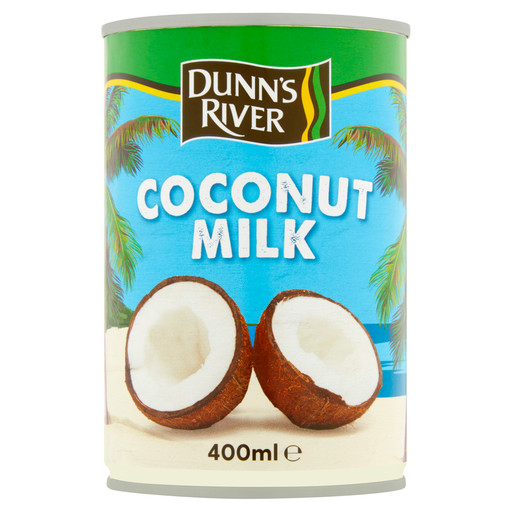
Dunns River Coconut Milk 400 ml
A 400 ml tin to consider when a baking recipe calls for coconut milk. For a child with a milk allergy, check the current pack’s ingredients and allergen statement before use.
View on Joybuy
No image available
Morrisons Reduced Fat Coconut Milk 400 ml
A reduced-fat 400 ml tin for a recipe that can accommodate a less rich coconut ingredient. Check the physical pack’s allergen information when baking for a child with a milk allergy.
View on Joybuy
 No image available
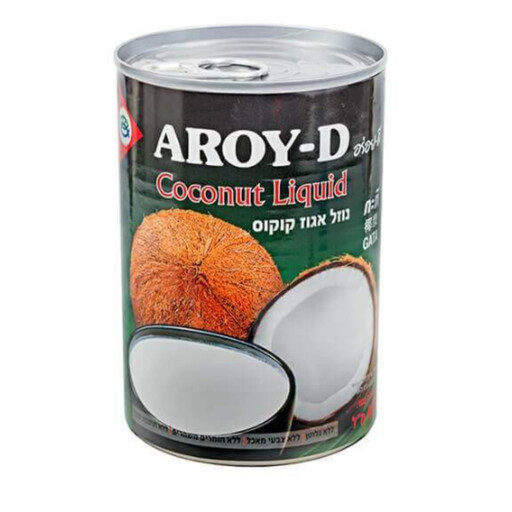
AROY-D Coconut Milk 17% Fat 400 ML
A 400 ML tin labelled 17% fat for recipes calling for canned coconut milk. The product listing warns that it may contain traces of milk; check the current pack and the child’s allergy requirements before use.
View on Joybuy
 No image available
Tropical Sun 100% Natural Coconut Milk 400 ml
A 400 ml coconut-milk tin for baking recipes calling for a canned ingredient. Tropical Sun advises shaking its naturally separating coconut milk before use; check the current pack’s allergen and cross-contact information for an allergy-sensitive bake.
View on Joybuy
 No image available
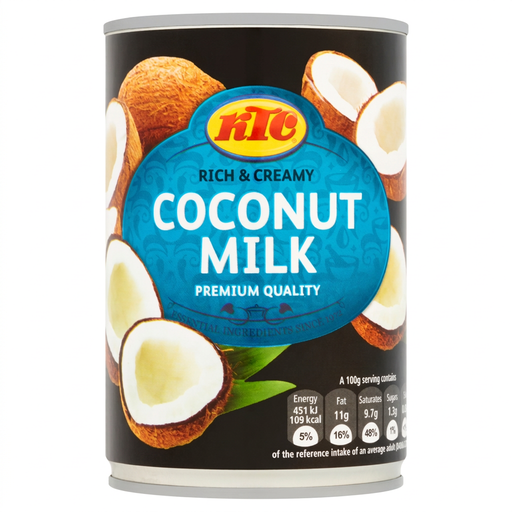
KTC Coconut Milk 400G
A 400G tin to consider for a recipe specifying canned coconut milk. Check the current pack’s fat value if the recipe depends on richness, and its allergen information if baking for a child with a milk allergy.
View on Joybuy
Questions about baking with coconut milk
Is coconut milk automatically suitable for a dairy-free bake?
Check the exact product’s current label before using it, particularly if a child has a milk allergy. Food Standards Agency guidance says milk is one of the allergens UK food businesses must declare when it is used as an ingredient; the pack’s ingredients and allergen information are the product-specific check.
Can I replace tinned coconut milk with a coconut drink in a cake?
Not as a like-for-like swap if the recipe relies on the richness of tinned coconut milk. Alpro lists 5.3% coconut milk and 0.9 g fat per 100 ml for Coconut Original drink, while Tesco lists 59% coconut extract and 18.1 g fat per 100 ml for Ingredient Coconut Milk. Use a drink for a recipe written for a plant-based drink, or only if you can accommodate the change in composition.
Should I use standard or reduced-fat tinned coconut milk?
Start with standard tinned coconut milk when the recipe calls for a rich coconut ingredient; consider reduced-fat where it can accommodate a less rich formulation. M&S lists 60% coconut extract and 17.3 g fat per 100 g for its standard tin, against 33% extract and 9.3 g fat per 100 g for its reduced-fat tin.
Why has the coconut milk in my tin separated?
Separation can be normal for some tinned coconut milks. Tesco says its product can separate or solidify in cool conditions, while Tropical Sun says its coconut milk naturally separates. Follow the directions on your tin for shaking or mixing it before measuring.
How should I store coconut milk left after baking?
Follow the opened-product directions on the exact pack, including how to transfer and refrigerate leftovers. The checked Tesco and M&S products specify use within 2 days after opening, while the checked Amoy and Tropical Sun products specify 3 days; those periods are product instructions, not a single rule for every tin.


