First-time curry and sauce cooks
Look for cooking coconut milk when your recipe calls for a coconut base in a curry, soup, sauce or dessert. Check the pack size against the recipe and read the instructions for storing any leftovers.


For a first food shop, choose coconut milk by what you plan to make, not by the word “mature”. A cooking tin suits a curry, soup or dessert that needs a coconut base; a coconut drink is made for pouring into cereal or hot drinks. If choosing between standard and reduced-fat cooking tins, compare their ingredients and nutrition labels on the same per-100ml or per-100g basis.
The useful distinction in a first shop is whether coconut milk is an ingredient in a planned recipe or a drink to pour.
Look for cooking coconut milk when your recipe calls for a coconut base in a curry, soup, sauce or dessert. Check the pack size against the recipe and read the instructions for storing any leftovers.
A coconut drink is the relevant format for cereal, smoothies or hot drinks. If added calcium or vitamins matter to your choice, check the individual carton: the Tesco Groceries listing for Koko Unsweetened names calcium and vitamins D2 and B12, but that does not describe every coconut drink.
Compare the nutrition panels of the particular products you might buy, rather than relying on “reduced fat” alone. Waitrose & Partners lists 15.8g saturates per 100ml for its standard Essential cooking tin and 5.5g per 100ml for its reduced-fat version. Check the units before comparing either with another pack.
Start with the recipe or drink you need, then compare labels within that format. “Mature” does not tell you whether a carton is a cooking ingredient or a pourable drink.
Choose it for: A recipe calling for a coconut cooking base, such as a curry, soup or dessert.
Bear in mind: Check saturated fat and the amount the recipe uses; it is not the same format as a coconut drink.
Choose it for: Cooking when the recipe can accommodate a different formulation from a standard tin.
Bear in mind: “Reduced fat” does not tell you the saturated-fat amount; read the nutrition panel.
Choose it for: Pouring over cereal or adding to a smoothie or hot drink.
Bear in mind: Do not assume it will give a curry the same body as cooking coconut milk.
| Priority | What to check | Your needs |
|---|---|---|
| Cooking or pouring | Read the intended use and ingredients. Check whether the recipe asks for cooking coconut milk or a coconut drink. | I need a coconut base for a curry, not a drink intended for cereal. Or I need something pourable for breakfast rather than a cooking tin. |
| Cooking formulation | Compare coconut extract, fat and saturates using the units printed on each pack. Waitrose & Partners lists 60% extract in its standard Essential tin and 23% in its reduced-fat tin. | For this recipe, I want to decide between those formulations before buying, rather than treating “mature” or “light” as a measure of how the dish will turn out. |
| Drink ingredients | Check whether the carton is sweetened and whether it lists the nutrients you want. Tesco Groceries lists calcium and vitamins D2 and B12 in Koko Unsweetened; Sainsbury’s describes Alpro Coconut No Sugars as a drink with added calcium and vitamins. | I want a drink for cereal or coffee, and its actual ingredients and added nutrients matter to my choice. |
| Pack and storage | Match the pack quantity to the recipe or planned drinks. Read the current pack’s after-opening refrigeration and use instructions. | A single recipe may leave part of a cooking tin unused; I need a practical plan for the rest. |
| Allergen information | Read the current ingredients list and any precautionary allergen statement. GOV.UK says any of the 14 regulated allergens present in a prepacked food or drink must be clearly labelled in its ingredients list. | If an ingredient affects what I can buy, I need to check the particular pack rather than assume all coconut products have the same recipe. |
A carton intended for pouring may give a different result from the cooking coconut milk specified in a curry, soup or dessert recipe. Tesco Groceries lists 9% coconut milk in Koko Unsweetened, while Waitrose & Partners lists 60% coconut extract in its standard Essential cooking tin.
Check the recipe and the product’s intended use before choosing between a drink and a cooking tin.
Waitrose & Partners lists 5.5g saturates per 100ml in its Essential Reduced Fat Coconut Milk. The wording on the front of a pack does not replace the figures on its nutrition panel.
Compare fat and saturates on the same stated basis and consider how much the recipe uses. NHS food-label guidance gives its saturated-fat threshold for foods per 100g, so do not apply that threshold directly to a per-100ml figure.
A recipe using less than the full pack leaves coconut milk to store. The Waitrose and M&S cooking products described in their listings specify refrigeration after opening and use within two days.
Check your chosen pack’s instructions and plan another use within its stated period if you expect leftovers.
Unused coconut milk may otherwise have to be discarded.
Ingredients and nutrition details matter particularly when choosing for an allergy or looking for particular added nutrients.
Read the current pack’s ingredients, allergen information and storage instructions before purchase.
These examples help distinguish cooking products from coconut drinks; a brand or retailer name alone does not identify the format of every product in its range.
A coconut-drink range to consider for pouring rather than as a substitute for a rich cooking tin.
Coconut-based drinks for pouring and hot or cold drinks.
An own-label cooking coconut milk option as well as a retailer of coconut drinks.
A retailer carrying both coconut drinks and cooking coconut milk products.
An own-label cooking coconut milk alongside a separate milk-alternatives range.
Standard and reduced-fat Essential cooking coconut milks for comparing formulations within a range.
These options include cooking coconut milk in several pack sizes and a separate barista drink. Choose the format for your planned use before comparing the individual packs.
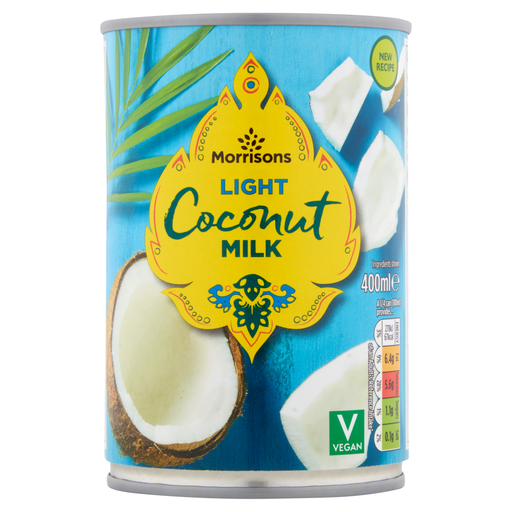 No image available
A cooking coconut milk option for curries, soups or baking when you want to consider a reduced-fat tin. Check the current nutrition label rather than assuming that reduced fat means low in saturates; plan to refrigerate leftovers and follow the pack’s use period.
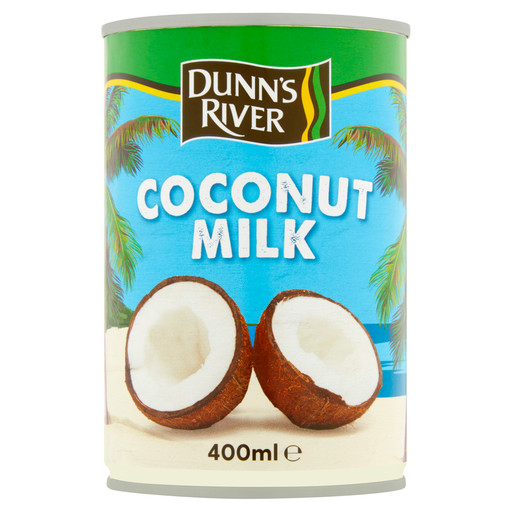 No image available
A 400ml cooking option for a curry, soup, stew or dessert requiring coconut milk rather than a pourable drink. Check the current saturated-fat figure if it affects your choice, and follow the pack’s refrigeration instructions after opening.
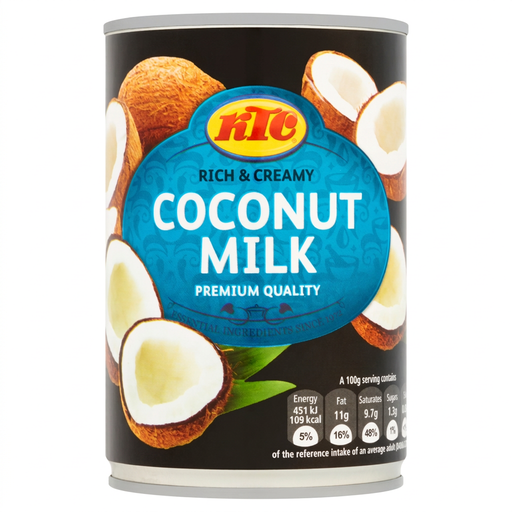 No image available
A 400g coconut milk pack to consider for curries or desserts. Read its current ingredients, allergen information and nutrition panel if these affect your choice, and follow its instructions for storing leftovers.
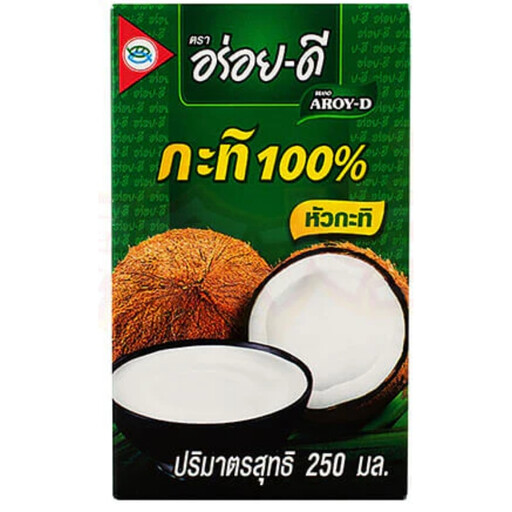 No image available
A smaller carton to consider when a cooking recipe needs a modest amount of coconut milk. A carton is not necessarily a pourable coconut drink: check its stated use, ingredients and after-opening instructions.
 No image available
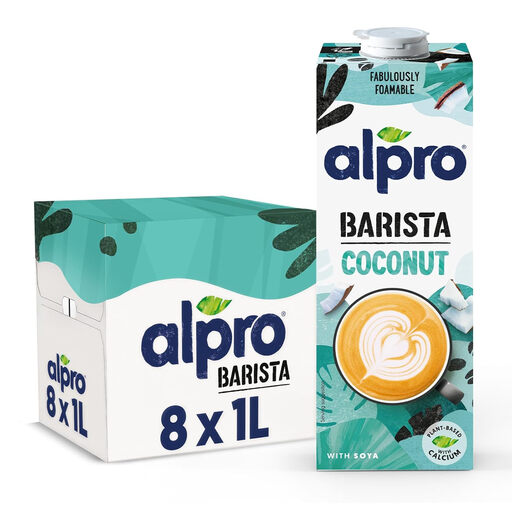
A barista drink option for coffee rather than a cooking coconut milk. This is an 8 x 1L bundle, so check whether that quantity fits your first shop; the product information also identifies soya, which matters when checking ingredients.
Use the product’s format and intended use to make the decision, rather than treating “mature” as a cooking or drink category. For a first shop, check whether your recipe calls for cooking coconut milk, then compare ingredients and nutrition within that format.
Not without considering the result your recipe needs. Tesco Groceries lists 9% coconut milk in Koko Unsweetened, while Waitrose & Partners lists 60% coconut extract in its standard Essential cooking tin; a drink will not necessarily provide the same body. Use a drink only if the recipe allows that substitution.
The words “reduced fat” alone cannot answer that question. Waitrose & Partners lists 5.5g saturates per 100ml in its Essential Reduced Fat Coconut Milk. Read the figure and its unit on the pack; NHS guidance states its high-saturated-fat threshold for foods per 100g, not per 100ml.
Follow the instructions on the pack you bought. The Waitrose and M&S cooking products described in their listings specify refrigeration after opening and use within two days, so check the stated period before planning another recipe.
Check the current pack’s ingredients list and any precautionary allergen statement. GOV.UK says that any of the 14 regulated allergens present in a prepacked food or drink must be clearly labelled within its ingredients list; do not assume different coconut drinks or cooking tins share a recipe.