Christmas cooks using coconut milk in recipes
If your menu includes curries, soups, sauces or desserts, shop for cooking coconut milk. Check whether the recipe calls for regular, light or reduced-fat coconut milk before choosing a tin or carton.


Choose cooking coconut milk for Christmas curries, sauces and desserts, but choose a 1L coconut drink for cereal, drinking or similar uses. If you are shopping for roughly six pints, plan the drinks and recipes separately using the pack sizes you need; check the exact product before buying for its ingredients, allergens and instructions after opening.
If your menu includes curries, soups, sauces or desserts, shop for cooking coconut milk. Check whether the recipe calls for regular, light or reduced-fat coconut milk before choosing a tin or carton.
For cereal, drinking or similar uses, look at 1L coconut drinks rather than assuming cooking coconut milk serves the same purpose. Compare unsweetened or no-sugars wording and any stated calcium or vitamin fortification on the exact carton.
Match the number of units to your Christmas menu and household use. Check each product’s instructions after opening before deciding how many cartons or tins to open at once.
Work out how much you need for drinks and how much each recipe calls for, then check the relevant labels and pack sizes.
| Priority | What to check | Your needs |
|---|---|---|
| Product type | Check whether the product is a coconut drink or cooking coconut milk. For a recipe, check whether it specifies regular, light or reduced-fat coconut milk. | I’m making a curry or dessert and need the cooking ingredient called for in the recipe, rather than a drink intended for cereal. |
| Carton ingredients | Read the exact coconut drink’s ingredients and nutrition panel for unsweetened or no-sugars wording and any stated calcium or vitamin fortification. | For household drinks, I want to choose a carton whose sugar wording and stated fortification match what I’m looking for. |
| Quantity and storage | Add up the quantities needed for drinks and individual recipes separately. Compare 1L cartons with the stated size of cooking tins, then follow each pack’s instructions after opening. | I’m planning a roughly six-pint shop, but don’t want to open more coconut drink or cooking milk than the household can use as directed. |
| Guest ingredients | Check the current ingredients, allergen declaration and any precautionary wording on every product you intend to serve. | When serving guests with allergies or intolerances, I can’t rely on the word ‘dairy-free’ or ‘vegan’ to answer every ingredient question. |
Coconut drinks and cooking coconut milk are listed for different uses. Replacing the cooking ingredient with a drink can change the richness and texture a recipe calls for.
Check the recipe and choose cooking coconut milk for curries, sauces or desserts when that is the specified ingredient; keep coconut drinks for drinking, cereal or similar uses.
Tesco lists 1L coconut drinks and 400ml cooking coconut milk as separate products. Their volumes and uses need to be counted separately for a Christmas menu.
List the drinks and recipes you are planning, then add up the appropriate cartons and tins rather than substituting one type for the other.
Alpro describes its Coconut No Sugars drink as having no added sugars or sweeteners, while Koko and M&S list particular nutrients in their own coconut drinks. Those statements apply to the specified products, not every coconut carton.
Compare the ingredients and nutrition panel on the exact carton you are buying.
Instructions differ by product: Sainsbury’s listings say to use opened Aroy-D and Laila cooking coconut milk within three days, while its Koko Unsweetened Coconut UHT listing says five days. A dairy-free description does not answer questions about other allergens.
Follow the current pack’s refrigeration and use instructions, and check its full allergen information when serving guests.
These examples illustrate the difference between coconut drinks and cooking coconut milk; check the particular product rather than treating a brand name as a recipe specification.
Alpro’s Coconut Original and Coconut No Sugars are 1L plant-based drinks, rather than cooking tins.
Koko has 1L coconut-based drinks for shoppers looking for a milk alternative.
Tesco lists both 1L coconut drinks and separate 400ml cooking coconut milk products.
M&S describes a 1L Creamy Coconut Drink and a separate Coconut Milk for cooking.
Waitrose lists Essential Coconut Milk as a 400ml cooking product.
These Joybuy options are cooking coconut milks for recipe-led shopping, including one 1L carton, three 400ml tins and one 400g tin. They are not a selection of coconut drinks for cereal or drinking.
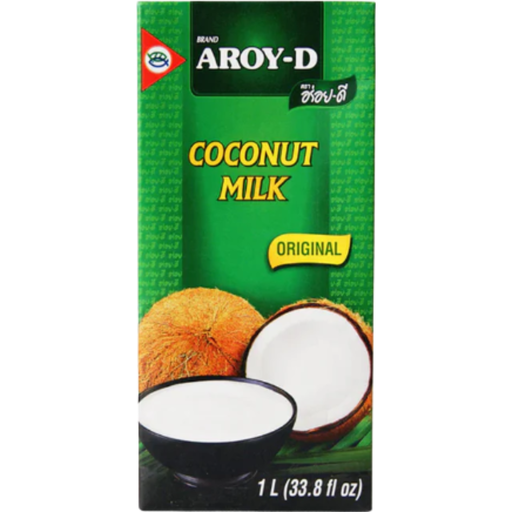 No image available
A 1L cooking coconut milk carton to consider when Christmas recipes call for a larger quantity of coconut milk.
This is cooking coconut milk, not a coconut drink for cereal. Refrigerate after opening and use within three days, as specified in the product information.
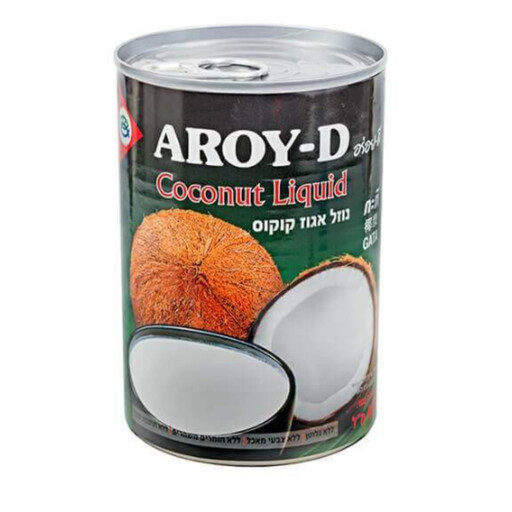 No image available
A 400ml cooking coconut milk for a recipe that calls for a tin rather than a 1L drink carton.
The product name states 17% fat. Its product information says it may contain traces of soy and milk; check the current pack when serving someone with an allergy. Refrigerate after opening and use within three days.
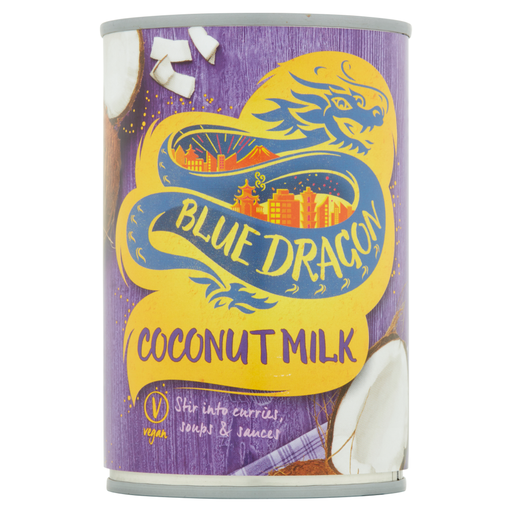 No image available
A 400ml cooking coconut milk to check against the quantity specified for a curry or soup.
The product information says opened contents should be refrigerated in an appropriate container and used within two days. It also says the product may contain nuts and peanuts; check the current pack where relevant.
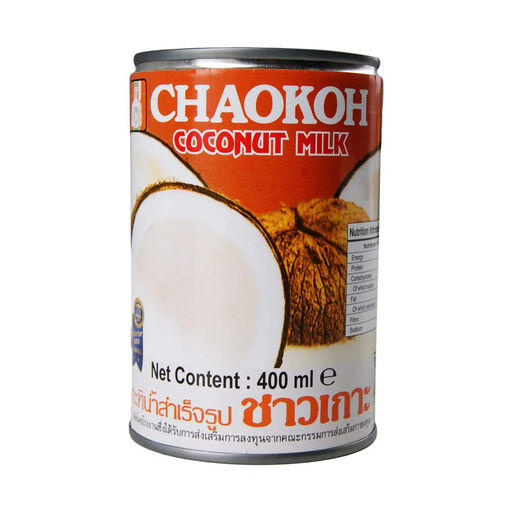 No image available
A 400ml cooking tin for a Christmas recipe that calls for coconut milk.
If you use only part of the tin, the product information says to transfer the remainder to a non-metallic container, refrigerate it and use it within two days. Check the current pack’s ingredients and allergen information for guests.
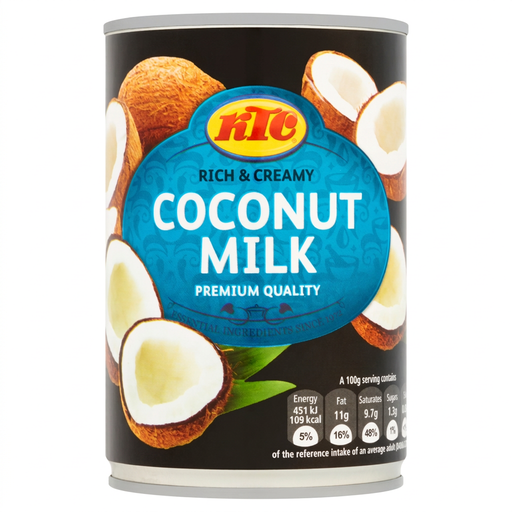 No image available
A cooking coconut milk tin for a recipe-led shop; its stated quantity is 400g, not 400ml.
Check the recipe’s measurement rather than treating grams and millilitres as interchangeable. The product information says to transfer opened contents to a suitable non-metallic container, refrigerate them and use them within two days.
No. Choose cooking coconut milk when a curry, soup, sauce or dessert calls for it; choose a coconut drink for drinking, cereal or similar uses. Read the product description rather than relying on the shared word ‘coconut’.
Add up the coconut drink needed by the household and the cooking coconut milk required by your recipes separately. Tesco lists 1L drinks and 400ml cooking milk, so check each unit’s stated size and type rather than assuming one large pack will suit both purposes.
Check the wording, ingredients and nutrition panel on the exact carton. Alpro describes its Coconut No Sugars drink as having no added sugars or sweeteners; that statement should not be assumed to apply to other coconut drinks.
Follow the instructions on the product you open. Sainsbury’s listings specify refrigeration and use within three days for Aroy-D and Laila cooking coconut milk, while its Koko Unsweetened Coconut UHT listing specifies five days after opening; one product’s period should not be applied to another.
Yes. Check the exact product’s ingredients, allergen declaration and any precautionary ‘may contain’ wording, particularly when serving guests with allergies or intolerances. A dairy-free or vegan description does not establish that every other allergen is absent.