Parents planning familiar meals for a fussy eater
If a child is wary of unfamiliar foods, a small amount of coconut milk in an accepted dish avoids changing the whole meal at once. The NHS advises offering new foods repeatedly and without pressure.


Choose a multipack of cooking coconut milk when you plan to repeat a familiar sauce, curry or dessert; choose coconut-drink cartons for drinks or cereal the child already accepts. Neither a 400ml cooking tin nor a 1L drink carton is an individual lunchbox portion. If the drink is for a child, check its ingredients, fortification, age guidance and instructions after opening rather than treating it as interchangeable with milk or infant formula.
If a child is wary of unfamiliar foods, a small amount of coconut milk in an accepted dish avoids changing the whole meal at once. The NHS advises offering new foods repeatedly and without pressure.
A multipack of cooking coconut milk may suit repeated sauces, curries or desserts. It serves a different purpose from a coconut drink bought for cereal or drinking.
If a coconut-based drink is part of the plan, compare the exact product’s ingredients and nutrient declaration, particularly when dairy is excluded. The UK Office for Health Improvement and Disparities notes that plant-based drinks vary considerably in nutrient content.
Choose it when: You are making a sauce, curry or dessert the child already accepts; Amazon UK lists Laila cooking coconut milk in a case of 12 × 400ml.
Bear in mind: A cooking tin is an ingredient for a meal, not a sealed drink portion for a lunchbox.
Choose them when: The household already uses coconut drink and can make use of larger cartons; Amazon UK lists Koko and Alpro multipacks in 1L carton formats.
Bear in mind: A 1L carton is not an individually sealed lunchbox drink, and instructions for an opened carton matter if you use only small amounts.
| Priority | What to check | Your needs |
|---|---|---|
| Familiar meals | Choose a recipe the child already eats. Introduce a small amount and avoid changing several flavours or textures at once; the NHS advises calm, repeated offers rather than pressure. | I would rather try coconut milk in an accepted meal than rely on a new drink or an unfamiliar dish being eaten straight away. |
| Product format | Check whether the pack is cooking coconut milk or a coconut-based drink, then check its unit size. Amazon UK lists Laila cooking milk in 400ml units; Tesco lists coconut drinks in 1L cartons. | For sauces or curries, I need a cooking ingredient. For cereal or a familiar drink, I need to look at coconut drinks instead. |
| Ingredients and nutrients | Read the exact drink label for milk or soya ingredients, calcium, iodine, vitamins, protein and sugars. The UK Office for Health Improvement and Disparities says plant-based drinks vary considerably in nutrient content. | If dairy is excluded, I need to check what this particular drink contains rather than assume all coconut drinks have the same formulation. |
| Portions and storage | Compare individual portions with 1L household cartons. Tesco instructs shoppers to refrigerate its listed Koko drink after opening and use it within 5 days; follow the instructions on the pack you buy. | A lunchbox needs a practical portion and appropriate storage, while a large carton makes more sense if we use the drink regularly at home. |
A coconut-based drink and cooking coconut milk are different formats. A drink carton may not give a familiar sauce or curry the result its recipe calls for.
Check the recipe and buy cooking coconut milk for dishes that call for it; use a coconut drink where the recipe specifies a drink.
A pack of 1L cartons still contains household-sized cartons. Tesco’s instructions for its listed Koko drink require refrigeration after opening and use within 5 days.
Check the size of each unit, the pack’s storage instructions and the school’s lunchbox rules before planning to send a portion.
An opened carton may go unused if the household only needs occasional small servings.
The UK Office for Health Improvement and Disparities reports considerable variation in plant-drink nutrient content. Ingredients and fortification can also differ between products sold under the same brand.
Compare the exact pack’s ingredients and declarations for calcium, iodine, vitamins, protein and sugars, especially if avoiding dairy or soya.
A coconut drink should not be assumed to replace infant formula or an infant’s main milk. Tesco’s Koko product information advises consulting a GP or qualified dietitian before using that drink as a main milk source for infants under two.
For an infant, or a child whose diet is restricted by allergy or concerns about growth, seek individual advice rather than making a substitution based on flavour.
These examples help distinguish cooking ingredients from coconut drinks; a brand name alone does not establish a product’s portion size or formulation.
Tesco lists Koko coconut-based drinks in 1L formats, while Amazon UK lists a 12 × 1L Original multipack.
Sainsbury’s lists Alpro coconut drinks in chilled and long-life 1L formats; Amazon UK lists 8-carton multipacks.
Tesco lists own-label long-life and sweetened coconut drinks in 1L formats alongside branded drinks.
Sainsbury’s lists a sweetened long-life own-label coconut drink in a 1L carton.
M&S describes its Creamy Coconut Drink as a 1L product enriched with calcium, iodine and vitamins B12 and D.
Waitrose lists 400ml cooking coconut milk products, including Duchy Organic Coconut Milk.
These options are coconut-based drinks: individual cans for portioned use and larger cartons for household use. Neither is concentrated cooking coconut milk. Check the ingredients and storage instructions against the meal or lunchbox you have in mind.
 No image available
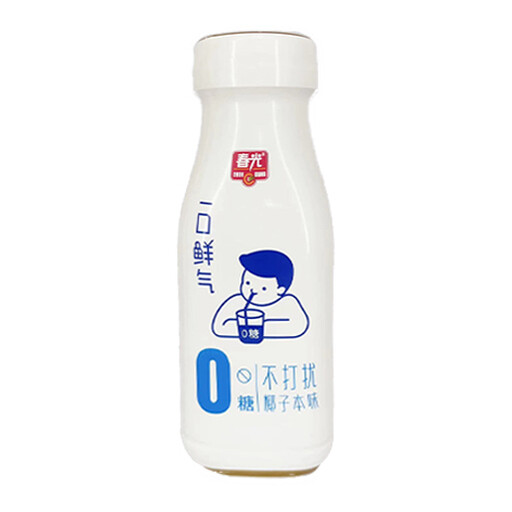
The separate cans may suit portioned drink use if the flavour is already familiar. This is a coconut beverage, not cooking coconut milk or a fortified dairy alternative. Its description lists milk-derived sodium caseinate, so it is unsuitable for someone avoiding milk; check the pack’s ingredients and cooling instructions before considering it for a lunchbox.
 No image available
These long-life cartons suit a household that already uses this barista-style drink, particularly in coffee or other familiar drinks; they are not individual lunchbox portions. The listed formulation has a soya base and vitamins B2, B12 and D2. Check the pack if soya is unsuitable or if specific nutrient amounts matter. The product description says it is not a complete infant food or breast-milk substitute.
Not necessarily: check the size and type of every unit in the pack. Tesco lists coconut drinks in 1L cartons, while Amazon UK lists cooking coconut milk in 400ml units. Neither format is an individually sealed lunchbox pot; portioned cans are a different drink format with their own ingredient and storage checks.
Use cooking coconut milk when a familiar sauce, curry, soup or dessert calls for that ingredient. Choose a coconut drink for drinking, cereal or a recipe that calls for a drink; it is not a direct substitute for concentrated cooking coconut milk.
Do not assume that it can. Tesco’s Koko product information advises consulting a GP or qualified dietitian before using that drink as a main milk source for infants under two. If a child needs a milk substitute because of allergy or a restricted diet, seek advice about the appropriate product.
Check the ingredients and declarations for calcium, iodine, vitamins, protein and sugars on the exact product. The UK Office for Health Improvement and Disparities says the nutrient content of plant-based drinks varies considerably, so one coconut drink’s label should not stand in for another’s.
Follow the instructions on the carton you buy. Tesco says its listed Koko 1L drink should be refrigerated after opening and consumed within 5 days. Consider whether your household will use a carton within its stated period before buying several.