Households shopping for a milk allergy
Check the current ingredients for milk and review any precautionary allergen wording against the person’s allergy plan. Vegan wording alone does not settle whether a product is suitable.


Choose cooking coconut milk for recipes, or compare coconut drinks if you need something for cereal, other drinks or coffee; the formats are not interchangeable as everyday milk alternatives. For a milk allergy, check the current ingredients and any precautionary allergen wording rather than relying on “vegan” or “dairy-free” alone. A child using a drink in place of milk needs further nutrition checks, while anyone avoiding soya or coconut must check those ingredients separately.
The relevant checks depend on the person’s allergies and whether the coconut product is for cooking or regular use as a drink.
Check the current ingredients for milk and review any precautionary allergen wording against the person’s allergy plan. Vegan wording alone does not settle whether a product is suitable.
If a coconut drink will replace milk regularly, check its fortification, energy, protein and other ingredients with age-appropriate clinical guidance. A cooking coconut milk serves a different purpose.
Read the full ingredients list for coconut and any other ingredient the person avoids. UK Food Standards Agency technical guidance does not name coconut among the specified nuts covered by its nut rules, so bold allergen emphasis alone is not a sufficient coconut check.
Start with how you will use the product, then check the exact pack for the allergens and nutrition details relevant to that use.
Choose for: Curries, sauces and other recipes that call for coconut milk as an ingredient.
Keep in mind: Do not assume a cooking product has the fortification needed from a regular milk-alternative drink.
Choose for: Cereal or drinks when you want a product made for use as a milk alternative.
Keep in mind: Fortification and nutrition vary by product; a child’s needs require an individual check.
Choose for: Coffee preparation when the drink’s full ingredient list suits the person using it.
Keep in mind: Dairy-free does not mean soya-free: Tesco’s description of Alpro Barista Coconut identifies soya in its foaming formulation.
| Priority | What to check | Your needs |
|---|---|---|
| Milk-allergy information | Read the current ingredients for milk and check any precautionary allergen wording. Consider both against the individual allergy plan; a vegan label is not a substitute. | I need to know whether this particular pack is suitable for someone with a milk allergy, including any cross-contamination warning that matters to them. |
| Product format | Check whether the product is a cooking ingredient, an everyday alternative drink or a barista drink. Compare coconut content, nutrition and fortification on the products you are considering. | For a recipe, I’m choosing a cooking ingredient; for cereal or a drink, I need to assess a milk-alternative format instead. |
| Child’s milk alternative | For a child moving from cow’s milk protein allergy formula, NHS Hertfordshire and West Essex guidance advises checking added calcium, vitamin D, B12 and iodine. Its checklist also specifies around 40 kcal per 100 ml or more and at least 1 g protein per 100 ml for a suitable fortified alternative in that context. | If this will regularly replace milk for my child, I need an option assessed against their age, diet and other allergies, not just its coconut flavour. |
| Other ingredients | Check the whole ingredient list for soya, oats and anything else the person avoids. Do not extend one product’s ingredient profile to every drink from the same brand. | A dairy-free label does not answer my question if the person also has another ingredient to avoid. |
| Coconut itself | Look for coconut, coconut extract or coconut milk in the full ingredients list. UK Food Standards Agency technical guidance does not name coconut in its rules for specified nuts. | If coconut is a suspected or confirmed allergy, I cannot rely only on bolded nut allergens; I need to follow the individual’s clinical advice. |
A product without milk as an ingredient may still have precautionary allergen information relevant to a milk allergy.
Read the current ingredients and any precautionary wording on the pack, then follow the person’s advice on products carrying such warnings.
A recipe ingredient and a coconut alternative drink can differ in their nutrition and fortification.
If the product will regularly replace milk, compare its nutrition panel and added nutrients. Use age-appropriate clinical advice when choosing for a child with cow’s milk protein allergy.
Tesco’s description of Alpro Barista Coconut identifies soya as part of its foaming formulation, despite describing the drink as dairy-free.
Check every ingredient against the person’s allergy plan, particularly when they avoid more than milk.
UK Food Standards Agency technical guidance does not name coconut among the specified nuts in its nut rules. That makes the full ingredients list important for someone avoiding coconut itself.
Look for coconut in all its listed forms. Anaphylaxis UK advises seeking GP assessment if coconut allergy is suspected.
These examples show why the exact product matters more than a brand-wide assumption about ingredients or fortification.
Koko lists both an unsweetened coconut alternative drink and a separate Cuisine Coconut Milk for cooking.
Alpro Barista Coconut is a coconut drink presented for coffee preparation.
These options cover two coconut barista drinks for coffee preparation and one coconut milk for cooking. Check the current pack against the intended use and the person’s allergies before choosing.
 No image available
A coconut barista drink to consider for coffee if its ingredients suit the person using it. Tesco’s description of Alpro Barista Coconut identifies soya in the foaming formulation and lists calcium and vitamins B2, B12 and D. Check the current pack’s ingredients and any precautionary allergen wording.
 No image available
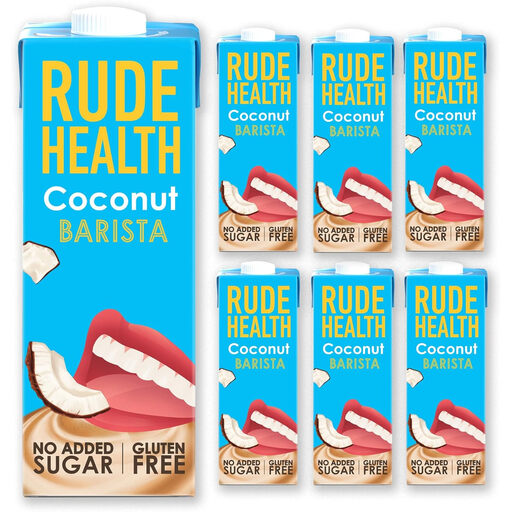
A coconut barista drink to consider for coffee. The product information identifies oats, so check the full current ingredients if they matter to the person using it. Also check precautionary allergen wording and, if using the drink regularly in place of milk, its nutrition and fortification.
 No image available
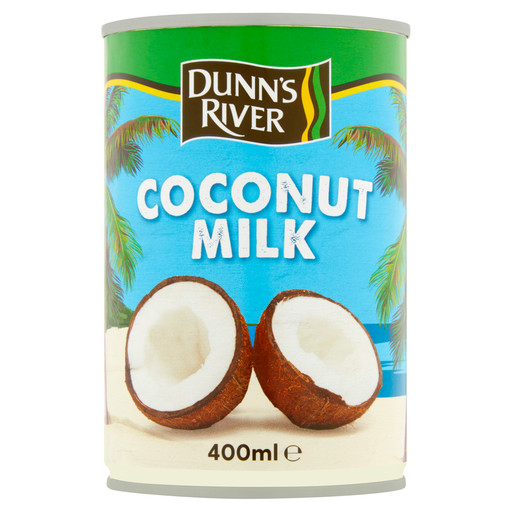
A 400ml coconut milk for recipes rather than a like-for-like everyday milk-alternative drink. Check the current ingredients and any precautionary allergen wording against the person’s allergy plan.
Not on its own. Check the current ingredients for milk and review any precautionary allergen wording against the person’s allergy plan; vegan wording does not resolve possible cross-contamination.
Do not decide from the name alone. UK Food Standards Agency technical guidance does not name coconut among the specified nuts in its nut rules, but someone with a suspected or confirmed coconut allergy needs an individual assessment and must check the full ingredients list. Anaphylaxis UK advises seeing a GP if coconut allergy is suspected.
Check the child’s other allergies and whether the drink’s nutrition suits its role in their diet. NHS guidance on moving from cow’s milk protein allergy formula advises checking fortification with calcium, vitamin D, B12 and iodine, alongside energy and protein. Discuss the choice with the child’s dietitian or GP where appropriate.
Do not assume so when the product is replacing milk regularly. Koko Cuisine Coconut Milk lists 25% coconut extract and is presented as a cooking product, while Tesco lists added calcium and vitamins D2 and B12 for Koko Unsweetened Alternative Drink. Compare the particular products’ nutrition and fortification for your intended use.
Check the exact drink rather than assuming all coconut barista products have the same ingredients. Tesco’s description of Alpro Barista Coconut identifies soya in its foaming formulation, so it is not a suitable default when soya must be avoided.