Hosts planning a dairy-free option
A long-life coconut drink can provide a pourable option for coffee or pancakes. If the menu also calls for coconut milk in a cooked dish, check that ingredient separately rather than relying on the shared name.


Choose a long-life coconut drink for coffee, pancakes or a pourable dessert accompaniment. If your Italian-night recipe calls for coconut milk or cream as a cooking ingredient, choose a culinary product instead: a drink carton is not automatically an equivalent substitute. Check the ingredients, allergy statements and instructions on the pack you buy, particularly when serving guests.
A long-life coconut drink can provide a pourable option for coffee or pancakes. If the menu also calls for coconut milk in a cooked dish, check that ingredient separately rather than relying on the shared name.
Koko and Alpro long-life drinks have sugar-related claims alongside declared calcium and vitamins, according to their Tesco and Sainsbury’s listings. Compare the exact pack and nutrition panel for the attributes that matter to you.
Waitrose describes Plenish’s organic coconut-and-rice drink as having four ingredients and no added sugar. Its rice content and precautionary nuts and soya statements also matter when choosing for guests.
Choose it for: A pourable alternative in coffee, pancakes or a dessert drink.
Bear in mind: A drink carton is not automatically suitable where a recipe specifies culinary coconut milk or cream.
Choose it for: A recipe that calls for coconut milk or cream as a cooking ingredient.
Bear in mind: Culinary coconut milk can come in a tin or a cooking-oriented carton, so check the intended use rather than the container alone.
| Priority | What to check | Your needs |
|---|---|---|
| Recipe format | Read the product’s intended use and the recipe wording. Distinguish a pourable dairy-alternative drink from culinary coconut milk or cream; cooking products may be tinned or cartoned. | I need a drink for serving, or a cooking ingredient for a particular dish—not a substitute chosen just because both packs say coconut milk. |
| Sugar and fortification | Compare the sugar claim with sugars per 100 ml, then check which calcium and vitamins are declared. Tesco lists calcium and vitamins D2 and B12 for Koko; Sainsbury’s lists calcium and vitamins B12 and D for Alpro. | If I want a long-life drink with these declared nutrients, I’ll compare the exact cartons rather than treating every coconut drink alike. |
| Ingredients and allergies | Read the current ingredient list and allergy statements. Waitrose lists rice and precautionary nuts and soya information for Plenish; M&S says its Creamy Coconut Drink is not suitable for those with a milk allergy. | Before serving a guest with an allergy, I need to check the particular pack against their requirements—not assume that plant-based means suitable. |
| Opened-pack storage | Check refrigeration and use-by instructions after opening. Tesco specifies five days for Koko; Waitrose specifies four days for Plenish. | For one dinner, I want a quantity I can use while following the opened-pack instructions. |
A long-life dairy-alternative drink and culinary coconut milk are sold for different uses. A drink carton may not give a recipe the result intended when it calls for cooking coconut milk or cream.
Check the recipe and the product’s intended use before choosing; remember that cooking coconut milk can also come in a carton.
Waitrose describes Plenish as having no added sugar, which is a different claim from saying a drink contains no sugars.
If sugars matter to your choice, read the current nutrition panel per 100 ml as well as the front-of-pack wording.
Waitrose lists precautionary nuts and soya information for Plenish, while M&S says its Creamy Coconut Drink is not suitable for those with a milk allergy.
Check the physical pack for each guest’s requirements rather than relying on a category name or shopping filter.
Long-life cartons can have short use periods once opened: Tesco specifies five days for Koko and Waitrose specifies four days for Plenish, with refrigeration required.
Plan how many cartons you will open and follow the instructions on the packs you use.
Tesco lists Koko’s unsweetened long-life coconut drink as a UHT option with declared calcium and vitamins D2 and B12.
Sainsbury’s lists Alpro Coconut No Sugar as a long-life drink for uses including pancakes, porridge and chai latte.
Waitrose lists Plenish as an organic, long-life coconut-and-rice drink with four ingredients and no added sugar.
M&S lists a Creamy Coconut Drink with declared calcium, iodine and vitamins B12 and D.
These are coconut milk products for the cooking-ingredient side of an Italian-night recipe, including tins and cooking-oriented cartons. They are not a selection of pourable coconut drinks for coffee or cereal.
 No image available
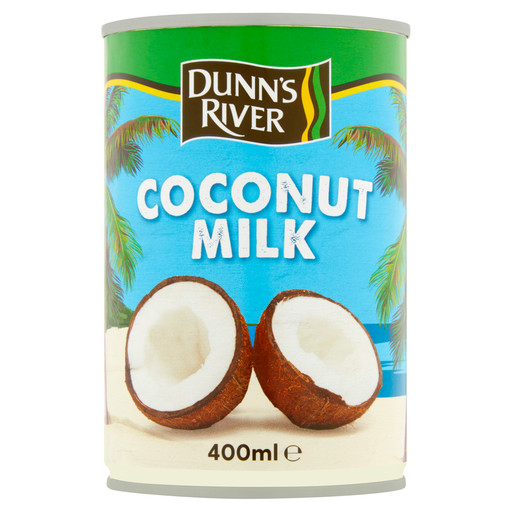
For a recipe specifying culinary coconut milk, this 400 ml option is worth checking against the quantity and preparation method in the recipe. Check the pack’s ingredients and storage instructions before serving.
 No image available
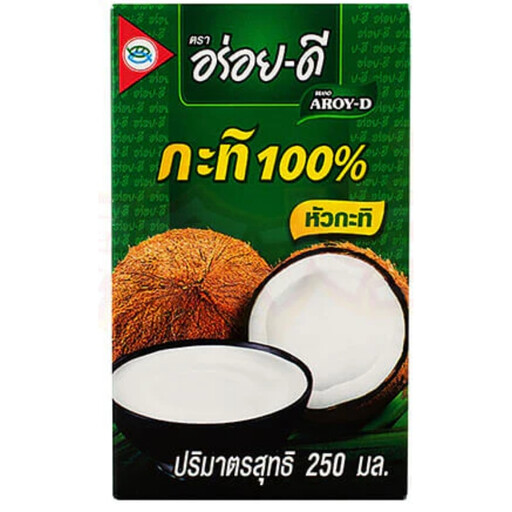
This smaller cooking-oriented carton is an option when a recipe calls for coconut milk as an ingredient. Do not identify a carton as a dairy-alternative drink by its packaging alone; check its intended use and the recipe quantity.
 No image available
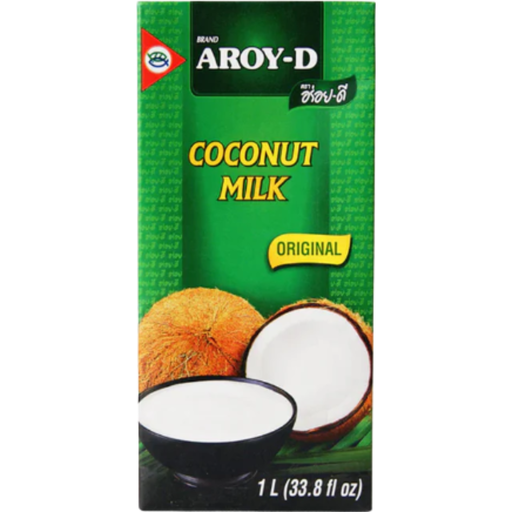
For cooking with coconut milk across a larger recipe, compare this 1 L carton with the amount the recipe specifies. It is a cooking-oriented option rather than a reason to substitute any coconut drink for a culinary ingredient.
 No image available
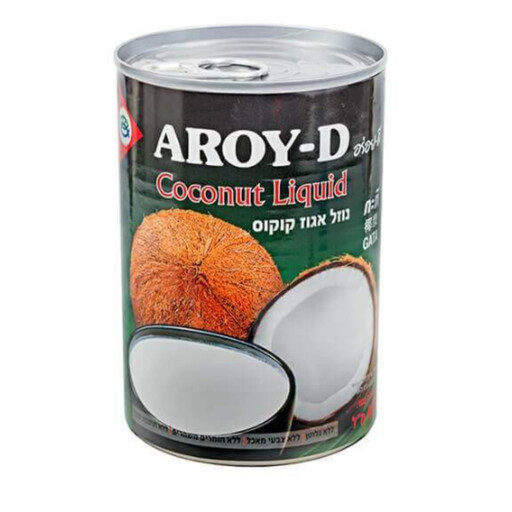
The named 17% fat variant lets you check a specific formulation against a recipe that calls for culinary coconut milk. Before serving guests with allergies, check the current pack’s ingredient and precautionary statements.
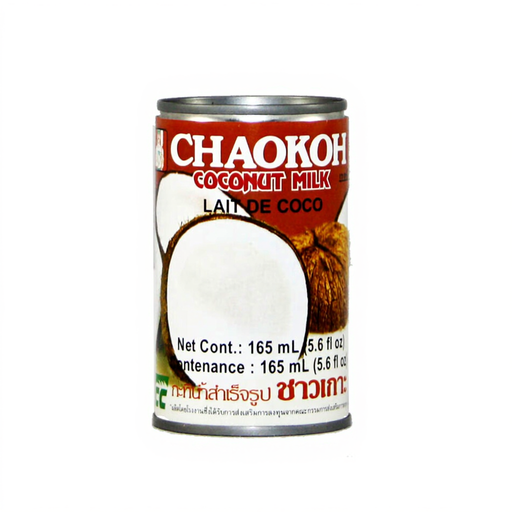 No image available
This smaller tin offers a stated 165 ml quantity for a recipe using culinary coconut milk. Check the pack for its ingredients and storage instructions, especially if you expect leftovers.
Use a long-life drink only if the recipe can accommodate a pourable dairy alternative; do not assume it replaces culinary coconut milk or cream. Check the recipe’s ingredient and intended result, then choose a product labelled for that use. Cooking coconut milk may come in a tin or a carton.
Tesco describes Koko as unsweetened, Sainsbury’s describes Alpro as having no sugars or sweeteners, and Waitrose describes Plenish as having no added sugar. These are different claims: read the current nutrition panel if the sugars content matters to your choice.
Follow the instructions on the individual pack. Tesco says to refrigerate the listed Koko drink after opening and consume it within five days; Waitrose gives four days, with refrigeration, for the listed Plenish drink.
No: suitability depends on the particular product and the guest’s requirements. M&S states that its Creamy Coconut Drink is not suitable for those with a milk allergy, while Waitrose lists precautionary nuts and soya information for Plenish. Check the current physical pack before serving.