
24/7 Customer Support

Free returns

Same-day & Next-day Delivery

Quality Guaranteed

Unlock Your Welcome Offers: FREE Delivery | Up to 80% OFF | Free 30-day JoyPlus trial
Download the APP
Buying coconut milk and cream can be surprisingly confusing. Supermarket shelves and online listings use similar names for products with very different textures, coconut content and intended uses. A carton labelled coconut drink is not automatically suitable for a curry, while a concentrated coconut cream may be too rich for a morning coffee.
The main buying pitfalls for UK shoppers are straightforward to avoid:
Choose the product according to how you plan to use it:
The ingredient order shows which components make up the largest proportion of the product. For example, KTC Coconut Milk 400G lists coconut extract at 54.55%, followed by water and stabilisers. This makes it a practical everyday option for recipes where a pourable texture is helpful.
By contrast, Dunn's River Creamed Coconut 200G lists coconut at 100%. It is a concentrated block rather than a ready-to-pour liquid, so you can grate a small amount into a curry or dissolve it in water for a more fluid consistency.
A product with a higher coconut content will generally have a richer texture, but it may also contain more fat and calories per 100g or 100ml. Read the nutrition panel if you are comparing products for regular use.
Coconut is not a tree nut under UK allergen labelling rules, but products can still include or warn about other allergens. Oat-based coconut drinks, for example, may contain oats, while instant coconut milk powders may contain milk.
Also check:
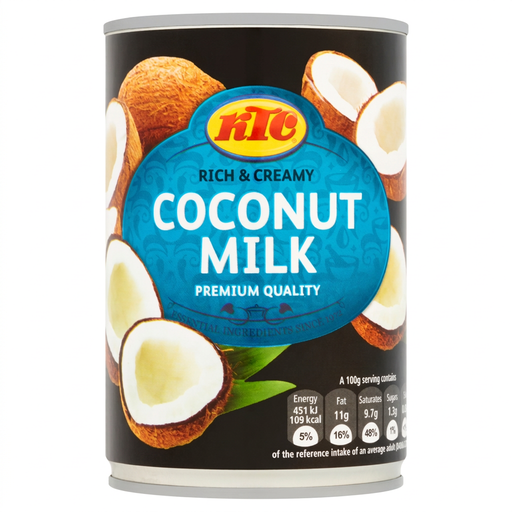
Why This Fits Their Persona: A straightforward tinned coconut milk for shoppers building a cupboard of useful cooking staples for curries, desserts and smoothies.
Its product format clearly identifies it as tinned coconut milk rather than a lightly flavoured coconut beverage. The stated coconut extract content helps set realistic expectations.
400g tin format; suitable for vegetarian cooking; includes stabilisers to support a consistent recipe texture.
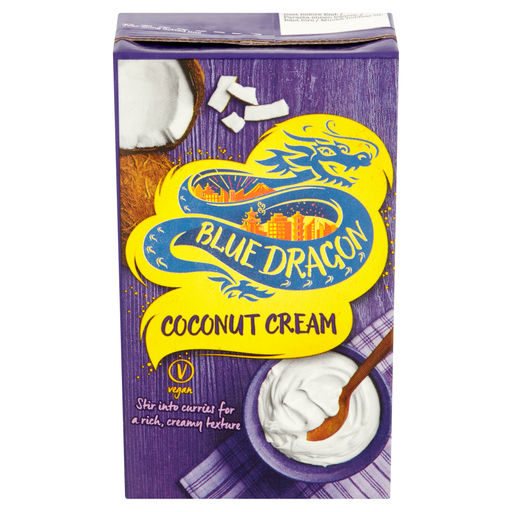
Why This Fits Their Persona: A compact option for home cooks and bakers who want a thicker coconut cream for occasional sweet or savoury recipes.
The 78% coconut extract listing makes it distinct from a thin coconut beverage. Its 250ml size can also help reduce unused leftovers.
UHT format; 78% coconut extract; suitable for enriching desserts, sauces and other recipes.

Why This Fits Their Persona: A concentrated coconut cooking ingredient for curry enthusiasts, bakers and households that use coconut regularly.
It is clearly labelled as creamed coconut and contains coconut only, so it is not mistaken for a ready-to-drink product or diluted cooking milk.
100% coconut ingredient list; can be grated or dissolved; useful in curries, sauces, soups, desserts and baking.
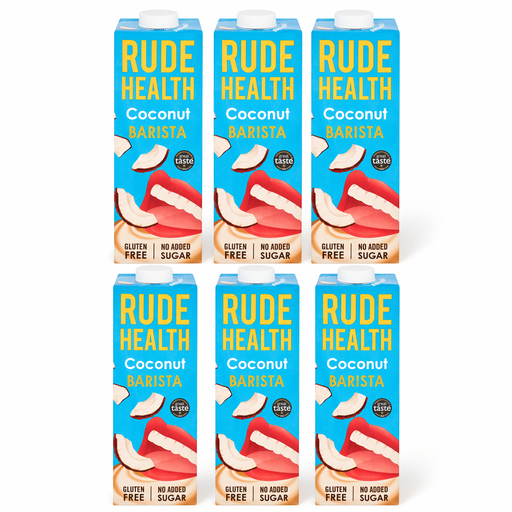
Why This Fits Their Persona: A multi-pack format for households that regularly add a coconut beverage to coffee or prefer chilled plant-based drinks.
The label identifies it as a barista coconut drink, not tinned coconut milk. The ingredients also show oats are present, which helps shoppers check suitability before ordering.
Six 1-litre cartons; intended for coffee and chilled drinking; contains 2% coconut and gluten-free oats.
We have compiled a complete, real-time list of products that fully satisfy these strict selection criteria and UK safety regulations.
No. Coconut cream generally contains more coconut and has a thicker texture than standard tinned coconut milk. Creamed coconut is different again: it is a solid, concentrated block that must be grated or dissolved before use.
It depends on the product. A coconut beverage designed for drinking or coffee may be thinner and contain oats, oils, flavourings or stabilisers. For curries, choose a product specifically labelled coconut milk, coconut cream or a coconut cooking ingredient, then check its coconut content and consistency.
Many products advise transferring opened contents to a suitable container, refrigerating them and using them within two days. Some barista drinks provide a longer period, such as five days, while other plant-based drinks may allow up to seven days. The instructions on the individual packaging should take priority.