Dairy-free home bakers replacing milk or cream
A coconut drink and cooking coconut milk are different formulations. Check which type of liquid the recipe calls for rather than assuming either will give the same texture.


Choose cooking coconut milk when a recipe needs a measured, pourable coconut liquid. A creamed-coconut block suits recipes that specify a block or give a method for diluting one; a coconut drink is a milk-style liquid, not an automatic substitute for a cooking tin. Check the recipe’s required format, quantity and fat declaration before swapping between them.
A coconut drink and cooking coconut milk are different formulations. Check which type of liquid the recipe calls for rather than assuming either will give the same texture.
When the recipe relies on a creamy coconut liquid, compare the product’s fat declaration, coconut-extract percentage and required quantity.
A block offers solid coconut that can be used to make coconut milk, according to Blue Dragon. It needs a suitable preparation method before it replaces a measured liquid in a recipe.
Start with the ingredient format named in the recipe, then check concentration, pack instructions and the amount you will use.
Choose when: The recipe calls for a measured, pourable coconut milk for a cake, pudding or filling.
Bear in mind: Tins differ in composition, and opened-pack storage instructions vary by product.
Choose when: The recipe specifies creamed coconut or gives a method for preparing a block.
Bear in mind: A solid block is not a measured tin of liquid; the amount of water added matters.
Choose when: The recipe needs a milk-style liquid and its coconut flavour suits the bake.
Bear in mind: Do not assume a drink will provide the same richness as cooking coconut milk.
| Priority | What to check | Your needs |
|---|---|---|
| Recipe format | Read whether the recipe specifies cooking coconut milk, creamed coconut or a milk-style drink. For a block, follow a recipe or pack method for adding liquid. | If my recipe measures coconut milk by volume, I need a pourable ingredient or a specified method for preparing one. |
| Richness and texture | Compare declared fat on the stated per 100 ml or per 100 g basis, alongside the coconut-extract percentage. Sainsbury's lists 14.8 g fat per 100 ml for its cooking milk; Alpro lists 0.9 g per 100 ml for Coconut Original drink. | For a dessert that relies on a creamy coconut liquid, I want to check the formulation before changing formats. The figures are from Sainsbury's and Alpro product information, not baking-test results. |
| Ingredients and allergens | Read the current pack’s ingredients and precautionary allergen statements. Blue Dragon states that its creamed-coconut block may contain peanuts and nuts. | When baking for someone with an allergy or a dietary requirement, I need to check the exact product I will use. |
| Leftovers and preparation | Check the pack size, opened-pack storage period and any shaking or warming directions. Sainsbury's specifies refrigeration and use within three days for its 400 ml tin; M&S specifies two days for its product. | If my recipe uses only part of a pack, I need a plan for the remainder within that product’s labelled period. |
They can supply different amounts of coconut, fat and liquid. For example, Alpro Coconut Original drink lists 0.9 g fat per 100 ml, while Sainsbury's cooking coconut milk lists 14.8 g per 100 ml; Blue Dragon’s block is a solid.
Match the recipe wording first. Use a stated preparation method before replacing a measured tin with a block, and assess a coconut drink as a milk-style substitution rather than an equivalent tin.
Cooking coconut milks also differ in their declared composition. Sainsbury's lists 14.8 g fat per 100 ml for its 400 ml tin, while M&S lists 17.3 g per 100 g for its 400 ml product; those nutrition figures use different stated bases.
For a recipe that depends on a creamy liquid, check the exact tin’s fat declaration and coconut-extract percentage alongside the quantity required.
Storage periods differ: the reviewed Sainsbury's and M&S products specify three days and two days respectively after opening. Blue Dragon also notes that its coconut milk can solidify when cold.
Follow the exact pack’s refrigeration and container instructions, and shake or warm the product only as directed before measuring.
An unfinished pack may go to waste if it cannot be used within its labelled period.
Blue Dragon’s creamed-coconut block says it may contain peanuts and nuts. A plant-based description does not answer a separate allergy question.
Check the current physical pack’s ingredients and precautionary statements when baking for someone with an allergy.
These product examples illustrate differences between coconut formats; a brand’s inclusion does not mean every product it makes has the same formulation.
Its cooking coconut milk and creamed-coconut block illustrate the liquid-versus-solid choice.
Its 400 ml cooking coconut milk is an example of a measured tinned liquid.
Its 400 ml coconut milk provides another cooking-liquid example for comparing labels.
Coconut Original is a milk-style coconut drink rather than the cooking tin in this comparison.
These options cover a creamed-coconut block, cooking coconut milk in cans and a carton, and coconut cream. Choose by the format and quantity your baking recipe requires.
 No image available
Consider this solid block when a baking recipe specifies creamed coconut or provides a way to prepare it. The 200 g block is not a measured, pourable tin; check the required amount of liquid before substituting.
 No image available
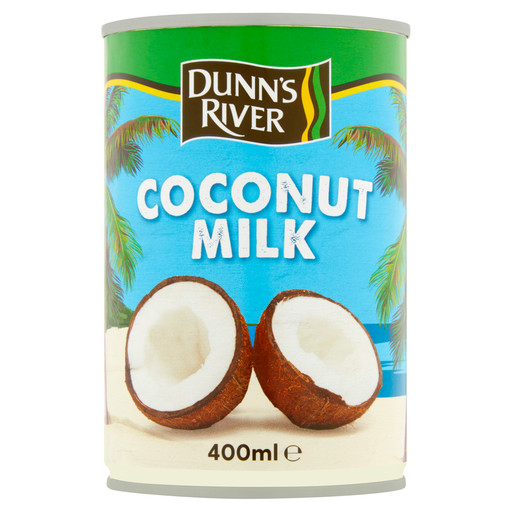
A 400 ml coconut milk option for a recipe calling for a measured coconut liquid. Check the recipe’s quantity and the can’s current storage directions if you will use only part of it.
 No image available
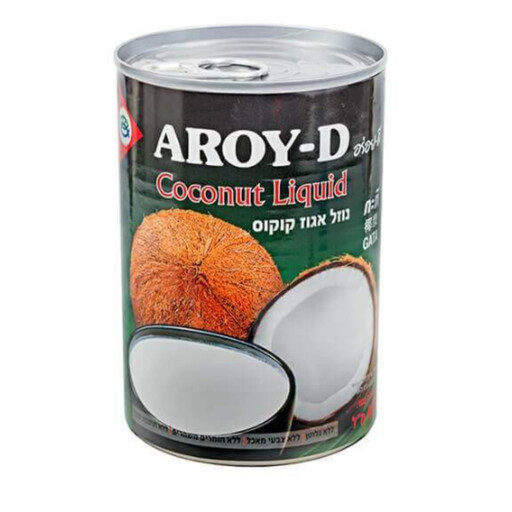
Consider this 400 ml coconut milk when a bake calls for a measured coconut liquid. The title specifies 17% fat; check the current pack for the full nutrition declaration and any allergen statements relevant to the people eating the bake.
 No image available
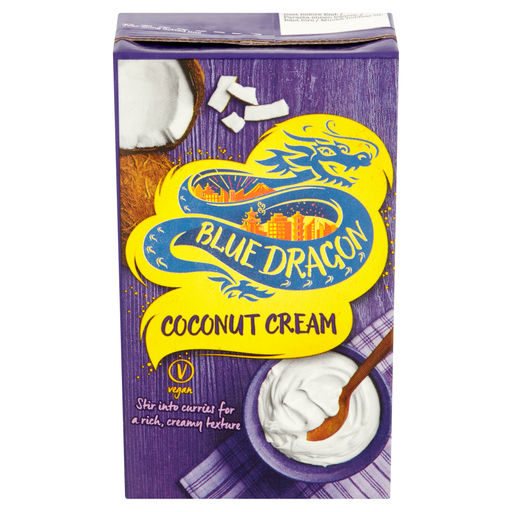
This 250 ml coconut cream is a different format from coconut milk or a creamed-coconut block. Check that the recipe calls for cream, or gives a suitable substitution, before using it in a bake.
 No image available
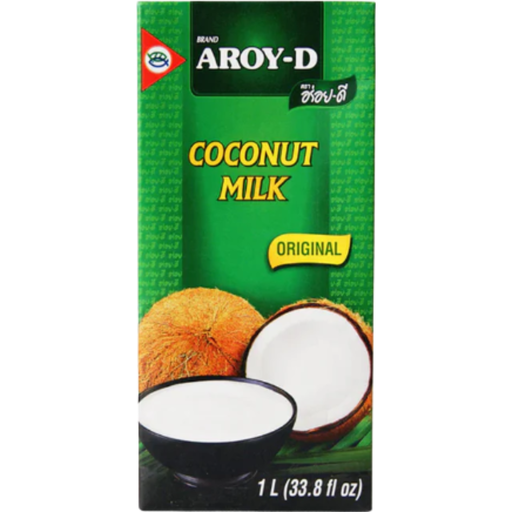
A 1 L coconut milk carton to consider when a recipe or several planned uses require that amount. If you need less, check the current pack’s instructions for storing the remainder.
Not without a suitable preparation method. Blue Dragon says its creamed-coconut block can be used to make coconut milk, but it is a solid made with 100% coconut. Follow a recipe or pack method for preparing the liquid rather than substituting an arbitrary amount for a measured tin.
A coconut drink may suit a recipe calling for a milk-style liquid, but do not assume it will replace cooking coconut milk in a rich filling or dessert. Alpro lists 0.9 g fat per 100 ml and 5.3% coconut milk for Coconut Original drink; Sainsbury's lists 14.8 g fat per 100 ml and 68% coconut extract for its cooking tin. Check what the recipe requires before changing formats.
Some coconut milk can solidify when cold. Blue Dragon says warming its coconut milk returns it to a liquid state and advises shaking before use. Follow the directions on your exact pack before measuring it for a recipe.
Follow the period and storage directions on the exact pack. Sainsbury's specifies refrigeration and use within three days after opening for its coconut milk, while M&S specifies two days for its product.
Read the current pack’s ingredients and precautionary allergen statements for the exact product you intend to use. Blue Dragon states that its creamed-coconut block may contain peanuts and nuts; a plant-based description does not settle allergy suitability.