Home cooks making soft, moist meals
For a curry, soup or dessert that needs a smooth sauce, culinary coconut milk is the relevant product type. The texture of the finished dish still matters more than a description on the can.


Choose culinary coconut milk for a smooth, rich base in a curry, soup or dessert, and a long-life coconut drink for a lighter pour in porridge, pancakes or a blended meal. Neither “filtered” nor “smooth” establishes that a finished meal meets a prescribed texture level: where one applies, assess the prepared food or drink at serving temperature against the person’s clinician-directed IDDSI level.
For a curry, soup or dessert that needs a smooth sauce, culinary coconut milk is the relevant product type. The texture of the finished dish still matters more than a description on the can.
For porridge, pancakes or smoothies, compare long-life coconut drinks by ingredients, nutrition information and instructions for use after opening. They serve a different purpose from concentrated cooking coconut milk.
The International Dysphagia Diet Standardisation Initiative (IDDSI) says texture or flow testing applies to the particular food or drink under its intended serving conditions, especially temperature. Follow the person’s clinician-directed level when assessing the prepared meal.
Decide whether the recipe needs a cooking base or a pourable drink, then check the prepared texture and the exact pack details that matter for its use.
| Priority | What to check | Your needs |
|---|---|---|
| Finished texture | Check the whole prepared dish, not just the coconut ingredient. For a prescribed IDDSI level, assess texture or flow under the intended serving conditions, especially temperature, as IDDSI advises. | I’m making a moist meal, but a “filtered” or “smooth” label cannot tell me whether the finished portion meets the eater’s prescribed level. |
| Cooking use | Check whether the product is culinary coconut milk intended for sauces, soups or desserts, or a long-life coconut drink intended for pouring or blending. Compare the recipe’s required result rather than treating the two as interchangeable. | For a curry or soup, I want a smooth cooking base; for porridge or pancakes, a lighter pour may be what the recipe calls for. |
| Drink nutrition | If choosing a coconut drink, read protein and any declared calcium, vitamin D, vitamin B12 or iodine per 100 ml or 100 g, keeping those different measurement bases separate. Check the current ingredients and allergen statement too. | When I use a dairy-free drink regularly, I want to know what this particular carton contains rather than assume coconut drinks have the same nutrition. |
| Storage | Follow the exact pack’s refrigeration and opened-use instructions. The Food Standards Agency distinguishes use-by dates, which concern safety, from best-before dates, which concern quality. | A pack may last across several meals, so I need to know how to store it once opened and when to use the remainder. |
A product description does not establish the texture of the completed meal. IDDSI says testing concerns the particular food or drink under its intended serving conditions.
Where a clinician has prescribed an IDDSI level, prepare the full recipe and assess it at serving temperature according to that guidance.
A pourable drink and a cooking coconut milk are sold for different uses; the swap can change the sauce’s consistency and richness.
Use the recipe’s intended product type as your starting point. Waitrose & Partners describes Duchy Organic Coconut Milk as a cooking ingredient for curries, soups and desserts, while Tesco suggests Alpro Coconut Long Life Drink for porridge, pancakes and smoothies.
Protein and added nutrients vary between products. Tesco lists 1.2 g protein per 100 ml for Koko Unsweetened, while Alpro lists 0.1 g per 100 ml for its Coconut Original drink.
If the drink is a regular dairy-free meal ingredient, compare the current packs’ protein and declared fortification rather than choosing by the word “coconut” alone.
Instructions differ: Waitrose & Partners says to refrigerate its Duchy Organic Coconut Milk and use it within two days of opening; Tesco lists five days for the opened Koko Unsweetened drink.
Check the physical pack for its current storage, date and allergen information, and follow its instructions after opening.
These examples show why the exact product matters: cooking milks and long-life drinks differ, and nutrition and pack instructions vary within the drink category.
A long-life coconut-and-rice drink for uses such as porridge, pancakes and smoothies, rather than a concentrated cooking milk.
The Unsweetened long-life coconut drink is a pourable option with declared fortification.
An unsweetened UHT coconut-and-rice drink for shoppers comparing ingredients as well as nutrition panels.
Its Creamy Coconut Drink is a coconut-drink option with stated added nutrients.
Duchy Organic Coconut Milk is a culinary product described by Waitrose & Partners for curries, soups and desserts.
These coconut products cover cooking bases for curries, soups or desserts and a carton option described for smoothies or cereal. Choose by the meal you are making; none of these product descriptions establishes the texture of the finished dish.
 No image available
A coconut cooking base described for curries, soups and stews. Check the pack’s instructions for storing any remainder; if a texture level is prescribed, assess the finished recipe at serving temperature.
 No image available
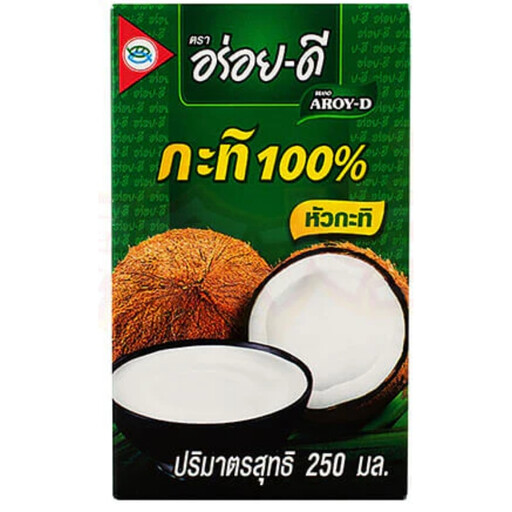
A smaller carton described for curries, soups, sauces and desserts. Follow the pack’s opened-storage directions, and assess the prepared dish rather than the carton description if a prescribed texture level applies.
 No image available
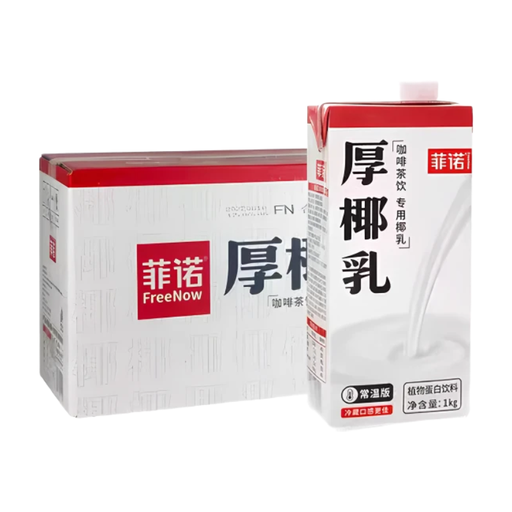
A carton product described for smoothies and cereal, rather than specifically as a curry or soup base. Check the pack’s opened-use instruction and assess any finished meal against a prescribed texture level at serving temperature.
No: the word “filtered” does not establish the texture of the finished food or drink. IDDSI says to assess a particular product under its intended serving conditions, especially temperature. If a clinician has prescribed a level, follow that guidance when assessing the prepared meal.
Choose culinary coconut milk when the recipe needs a smooth, rich cooking base. Waitrose & Partners describes Duchy Organic Coconut Milk for curries and soups; a long-life coconut drink is instead a pourable option for lighter preparations such as porridge or pancakes. Neither choice confirms the finished curry’s suitability for a prescribed texture level.
Compare the exact packs’ protein and declared calcium, vitamin D, vitamin B12 and, if relevant to your comparison, iodine. Tesco lists 1.2 g protein per 100 ml for Koko Unsweetened, whereas Alpro lists 0.1 g per 100 ml for Coconut Original; those figures describe the named products, not every drink from either brand.
Follow the instruction on the exact pack. Waitrose & Partners says to refrigerate its Duchy Organic Coconut Milk below 5°C and use it within two days of opening; Tesco says to refrigerate Koko Unsweetened and use it within five days. The Food Standards Agency explains that a use-by date concerns safety, while a best-before date concerns quality.