Parents cooking for a baby starting solids
Consider coconut milk as a recipe ingredient from around six months, while keeping breast milk or first infant formula as the baby’s main drink until at least age one, in line with NHS guidance.


For a baby under 12 months, coconut milk or coconut drink can be considered as an ingredient in weaning foods from around six months, but it must not replace breast milk or first infant formula as the main drink, according to NHS guidance. For cooking, check the current pack’s ingredients, allergen information and nutrition label; if buying a family quantity, choose packs you can use within their instructions after opening.
Consider coconut milk as a recipe ingredient from around six months, while keeping breast milk or first infant formula as the baby’s main drink until at least age one, in line with NHS guidance.
A coconut-based product still needs a product-specific allergen check. This matters particularly if a baby has a diagnosed allergy: M&S, for example, states that its Creamy Coconut Drink is not suitable for people with a milk allergy.
Compare the pack size with how much the household will use after opening. The coconut-drink examples from the named retailers are 1-litre cartons, while the Joybuy cooking products below are 400ml cans with their own opened-pack instructions.
Decide whether the product is for a recipe or a main drink before comparing labels and pack sizes.
| Priority | What to check | Your needs |
|---|---|---|
| Feeding role | Check whether it is a cooking ingredient or a drink. NHS guidance says to continue breast milk or first infant formula as the main drink until at least age one. | I’m adding an ingredient to a weaning recipe, not replacing my baby’s usual milk feed. |
| Nutrition label | For coconut drinks, compare the stated calcium and iodine fortification, ingredients and nutrition values. Check a cooking product’s own label rather than assuming it has the same formulation as a fortified drink. | If I use a plant-based drink in cooking, I want to know what the current carton actually contains. |
| Ingredients and allergens | Read the sugar information and product-specific allergen statement. M&S states that its Creamy Coconut Drink is unsuitable for people with a milk allergy; Tesco’s coconut-drink information flags possible peanut and nut traces. | A plant-based name alone would not settle whether an ingredient is suitable for my child. |
| Quantity and storage | Compare 1-litre drink cartons with 400ml cooking cans, and follow each pack’s refrigeration and use-by instructions after opening. | For several recipes, I’d rather open packs as needed than leave more coconut milk open than the household can use. |
Even a fortified coconut drink does not replace a baby’s main milk feed under 12 months. NHS guidance says to continue breast milk or first infant formula until at least age one.
Use an appropriate coconut product only as a cooking ingredient from around six months, rather than as the baby’s usual drink.
Allergen statements differ between products. M&S says its Creamy Coconut Drink is unsuitable for people with a milk allergy, while Tesco’s coconut drink flags possible peanut and nut traces.
Read the current pack’s ingredients and allergen statement, particularly when choosing food for a child with a diagnosed allergy.
Tesco’s and Sainsbury’s specified coconut drinks list calcium and iodine, while the product information for other coconut drinks differs. A cooking can should not be treated as nutritionally equivalent to a fortified drink.
Compare the current nutrition labels for the products you are considering, without using fortification as a reason to replace infant feeds.
A larger total purchase does not change the storage instructions for each opened carton or can.
Work out how much the household will use per recipe, open packs as needed and follow each product’s after-opening directions.
An opened pack that cannot be used within its stated period may go to waste.
These product-line examples show why the current label matters; a retailer or brand name alone does not establish allergy or feeding suitability.
Alpro Coconut No Sugar is listed by Sainsbury’s as a 1-litre long-life coconut drink.
Koko’s coconut drink is listed in a 1-litre UHT carton.
Tesco Long Life Coconut Original is a 1-litre sweetened coconut drink.
Sainsbury’s own-label range includes a sweetened long-life coconut drink and a coconut barista drink.
M&S Plant Kitchen Creamy Coconut Drink is a 1-litre coconut drink.
Waitrose is a retailer; one coconut-drink example in its range is Rude Health Coconut Drink with Calcium.
These are 400ml canned coconut milks for cooking, rather than six-pint family packs or substitutes for a baby’s usual milk. Check each current label before using one in a weaning recipe, particularly if allergens or fortification matter.
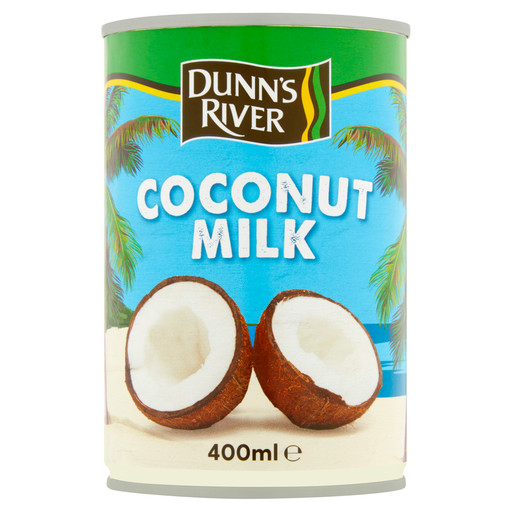 No image available
A 400ml cooking can for recipes, not a six-pint pack or a replacement for breast milk or first infant formula. Check the current label for ingredients, allergens, calcium and iodine when planning a weaning recipe. After opening, transfer the contents to a non-metallic airtight container, refrigerate and use within two days.
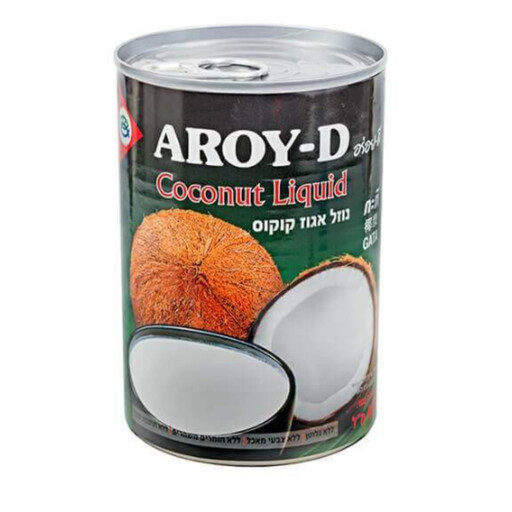 No image available
A 400ml coconut milk cooking can, not a six-pint pack or an infant milk feed. Check the current label for milk and soya trace warnings, alongside ingredients, calcium and iodine, before using it in a weaning recipe. Refrigerate after opening and use within three days.
No. For a baby under 12 months, NHS guidance says breast milk or first infant formula should remain the main drink; a plant-based drink may instead be used as an ingredient in weaning food from around six months.
Check the current pack’s ingredients, allergen statement, nutrition information and storage directions. If comparing fortified coconut drinks, read their calcium and iodine information rather than assuming that a canned coconut milk has the same formulation.
No: suitability depends on the particular product and child. M&S states that its Creamy Coconut Drink is not suitable for people with a milk allergy, so read the current allergen statement and discuss food choices with the child’s clinician if they have a diagnosed allergy.
NHS guidance advises introducing foods that can trigger allergic reactions one at a time, so a reaction can be spotted. If your baby has a diagnosed allergy or eczema, ask a GP or health visitor about introducing potential allergens.
Buy a quantity that fits the recipes you plan and each product’s storage instructions. The Joybuy cooking options shown here are 400ml cans, while the named retailer coconut-drink examples are 1-litre cartons; check the pack size rather than assuming you are buying one six-pint container.