Parents starting solids
If your baby is ready for solids at around six months, coconut can be an ingredient in family-style food. The NHS says breast milk or first infant formula still provides most energy and nutrients at the start of weaning.


For a baby starting solids at around six months, choose tinned coconut milk when a recipe calls for a cooking ingredient, or a coconut drink when it needs a pourable liquid. NHS-linked guidance allows plant-based alternatives in cooking from six months, but they must not replace breast milk or first infant formula as the main drink before age one. If the child must avoid cow’s-milk protein, check the ingredients and allergen information on the exact pack before using either format.
The choice depends on whether coconut is an ingredient in a weaning meal, a liquid for a recipe, or part of a cow’s-milk-free diet.
If your baby is ready for solids at around six months, coconut can be an ingredient in family-style food. The NHS says breast milk or first infant formula still provides most energy and nutrients at the start of weaning.
A coconut product’s name alone cannot establish whether it fits a child’s dietary plan. Check the current ingredients, milk allergen information and any relevant precautionary statement on the pack.
Tinned cooking coconut milk and pourable coconut drinks have different ingredients and nutritional information. Start with what the recipe calls for, then compare the exact products’ labels.
Decide how the coconut product will be used, then check its label against the baby’s age and any milk-avoidance plan. A cooking ingredient is not a replacement for the baby’s usual milk drink.
Choose it when: The recipe calls for coconut milk as a cooking ingredient, such as in a sauce or soup.
Keep in mind: A tin’s ingredients and nutrition are product-specific; do not treat it as an infant milk drink.
Choose it when: A recipe needs a pourable liquid and the particular drink’s label fits the intended use.
Keep in mind: Even a fortified drink cannot replace breast milk or first infant formula as the main drink before age one, according to Frimley Healthier Together’s NHS-linked guidance.
| Priority | What to check | Your needs |
|---|---|---|
| Age and use | Check whether the product is going into food or being considered as a drink. Frimley Healthier Together says plant-based alternatives may be used in cooking from six months, but not as the main milk drink before age one. | I’m adding coconut to a meal, while keeping breast milk or first infant formula as my baby’s main drink. |
| Milk avoidance | Read the exact pack’s ingredients, milk allergen information and any relevant “may contain” statement. The Food Standards Agency explains that precautionary wording can indicate possible unintended allergen presence. | For a child who must avoid cow’s-milk protein, I need a product that fits their established dietary plan—not just one called coconut or vegan. |
| Recipe format | Check whether the recipe calls for tinned cooking coconut milk or a carton drink, then compare ingredients and nutrition per 100g or 100ml as labelled. For example, Marks & Spencer lists 60% coconut extract in its 400ml tin; Tesco Groceries lists 9% coconut milk in Koko Unsweetened drink. | A sauce that calls for tinned coconut milk needs a different choice from a recipe needing a pourable coconut drink. |
| Carton ingredients | Check whether the drink is unsweetened, what else it contains and whether fortification matters to your recipe choice. Tesco Groceries lists calcium and vitamins D2 and B12 for Koko Unsweetened; its Alpro Coconut Original listing also includes rice. | If I’m using a carton in food, I want to know what is in that particular drink rather than assuming coconut drinks have the same formulation. |
| Family meal | Check the product label and how the dish is prepared. The NHS advises against adding salt to a baby’s food or cooking water. | I’m adapting a family recipe so my baby’s portion has no added salt. |
A retail plant-based drink does not take the place of breast milk or first infant formula during the first year. Frimley Healthier Together’s NHS-linked guidance distinguishes cooking use from use as a main drink.
Keep the baby’s usual milk as their main drink. If cow’s-milk allergy is involved, follow the healthcare professional’s advice about an appropriate formula rather than making a substitution yourself.
Ingredients can change, and precautionary allergen wording may matter for a child avoiding cow’s-milk protein. A claim on one product does not establish the suitability of another.
Read the current pack’s ingredients and allergen information, including relevant “may contain” wording. Ask the child’s clinician or dietitian if its fit with their care plan is unclear.
The formats are not automatically interchangeable. As product-specific examples, Marks & Spencer lists 60% coconut extract for its cooking tin, while Tesco Groceries lists 9% coconut milk for Koko Unsweetened drink; the labels also use different nutrition measurement bases.
Follow the recipe’s intended format and check the chosen product’s ingredients and nutrition panel rather than assuming the same cooking result.
Choosing a coconut ingredient does not address how the whole dish is prepared. The NHS advises not adding salt to babies’ food or cooking water.
Check a carton’s ingredients if you want an unsweetened drink, and set aside the baby’s portion without adding salt.
These examples illustrate product formats and label details, not a recommendation of every product sold under a brand or by a retailer.
The Koko Unsweetened 1L product listed by Tesco Groceries is a pourable coconut drink rather than a tin for cooking.
Alpro Coconut Original, as listed by Tesco Groceries, is a coconut drink containing rice and added calcium and vitamins, rather than tinned cooking coconut milk.
Tesco’s coconut cooking-products listing includes standard and light 400ml coconut milk tins; its product listings also include coconut drinks.
The Marks & Spencer 400ml coconut milk tin is a cooking product whose listed ingredients are coconut extract (60%) and water.
Waitrose lists Essential Coconut Milk and Essential Reduced Fat Coconut Milk as separate 400ml cooking products.
These three tins are options for recipes calling for cooking coconut milk. Compare their current pack labels if you are preparing food for a child who must avoid cow’s-milk protein; none should be used in place of breast milk or first infant formula as the main drink before age one.
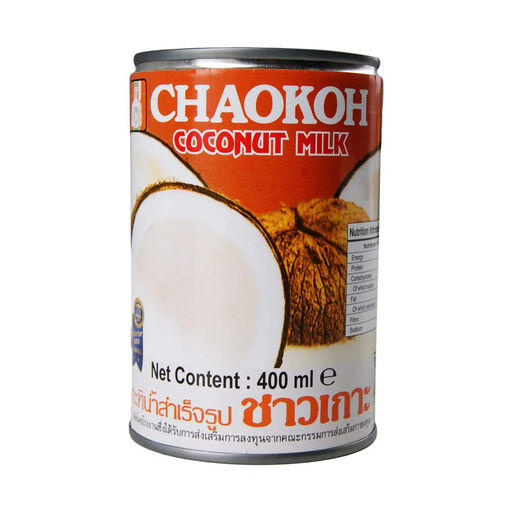 No image available
A 400ml tin to consider when a recipe calls for cooking coconut milk. Check the current ingredients and any milk-related precautionary wording before using it for a child avoiding cow’s-milk protein.
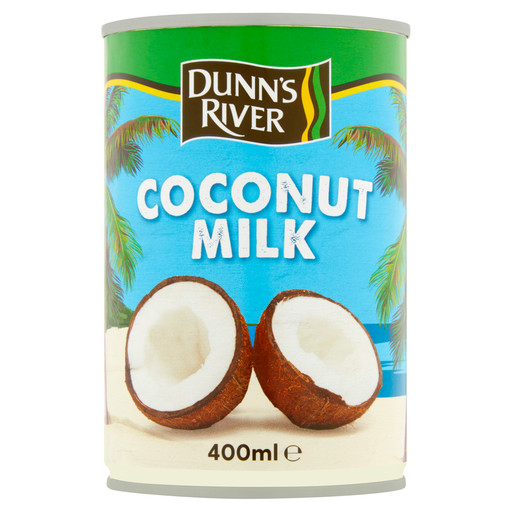 No image available
This 400ml coconut milk is an option for a dish that calls for a tin. For a strict cow’s-milk-free diet, check the current pack’s ingredients and precautionary allergen information rather than relying on the product name.
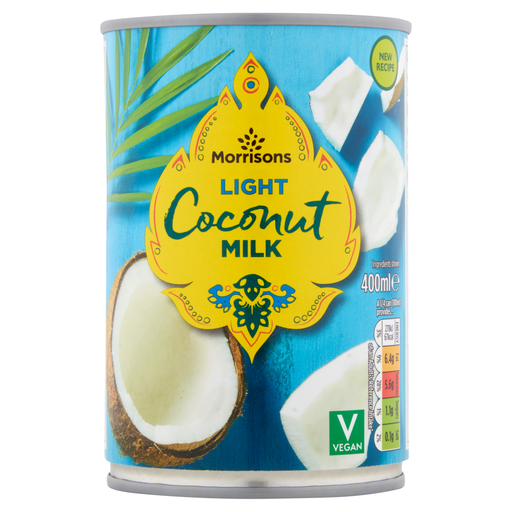 No image available
A reduced-fat 400ml tin for a recipe needing cooking coconut milk. Compare its current nutrition and ingredient labels with other tins, and check allergen and precautionary wording if the child must avoid cow’s-milk protein.
Yes, coconut-based products can be ingredients in food once a baby is ready for solids at around six months. The NHS says solids are introduced alongside breast milk or first infant formula, which still supplies most energy and nutrients at the start of weaning.
No. Frimley Healthier Together’s NHS-linked guidance says plant-based alternatives may be used in cooking from six months but should not be the main milk drink before age one. If a baby has cow’s-milk allergy, follow their healthcare professional’s advice about breast milk or an appropriate specialist formula.
Do not rely on the name alone. For a child avoiding cow’s-milk protein, inspect the exact pack’s current ingredients, milk allergen information and relevant “may contain” wording; the Food Standards Agency explains that precautionary statements can indicate possible unintended allergen presence.
Use the format the recipe calls for: tinned coconut milk is a cooking ingredient, while a coconut drink is a pourable liquid. Check the particular product’s ingredients and nutrition rather than treating the formats as interchangeable. Neither replaces the baby’s usual main milk drink before age one, according to NHS-linked guidance.
Check the coconut product’s ingredients and allergen information against the child’s dietary plan, and look at a carton’s contents if you want an unsweetened drink. Prepare the baby’s portion without added salt; the NHS advises against adding salt to babies’ food or cooking water.