Parents starting solids at around 6 months
You may want coconut milk in porridge, soup or sauce while continuing your baby’s usual milk feeds. NHS guidance says breast milk or first infant formula should continue until at least age 1.


For a baby starting solids at around 6 months, plain cooking coconut milk can be used in a small amount as an ingredient in food; a coconut drink is not a replacement for breast milk or first infant formula before age 1, according to NHS guidance. Choose by the exact pack’s ingredients, salt, allergens and storage instructions rather than the words “coconut milk” alone.
The distinction between a cooking ingredient and a milk drink matters throughout early weaning, particularly when you are comparing similarly named cartons and tins.
You may want coconut milk in porridge, soup or sauce while continuing your baby’s usual milk feeds. NHS guidance says breast milk or first infant formula should continue until at least age 1.
A coconut-based cooking ingredient may fit a cow’s-milk-free recipe, but the exact pack still needs an ingredient and allergen check. If your baby has a diagnosed allergy, ask a GP or health visitor about feeding choices rather than using a shop-bought coconut drink in place of milk feeds.
Products labelled with coconut can have different purposes and ingredients. Cooking milk, a ready-to-drink beverage and a barista carton should each be judged by their own label before being used in a baby meal.
Start with how the product will be used, then read the current pack for ingredients and nutrition. Coconut content alone does not tell you whether a product belongs in a meal or a cup.
| Priority | What to check | Your needs |
|---|---|---|
| Meal or milk feed | Check whether the pack describes a cooking ingredient or a drink. NHS guidance says breast milk or first infant formula should continue until at least age 1; plant-based milk used in weaning food is not the main milk drink before then. | I’m adding a little coconut milk to food, not replacing my baby’s usual milk feeds. |
| Salt and sugar | Compare declared salt on the same per-100ml or per-100g basis, and look for sugar in the ingredients. The NHS advises against adding salt to a baby’s food; a Joybuy Coconut Palm ready-to-drink product lists sugar as an ingredient. | For a savoury meal, I want to know what the coconut product contributes before adding it to the recipe. |
| Product format | Read the stated use, ingredients and coconut percentage together. Koko Dairy Free lists 25% coconut extract in Koko Cuisine cooking milk and 11% coconut milk in its Original drink; these are different products, not interchangeable measures of suitability. | A carton labelled “coconut milk” might be intended for drinking or coffee, while I need an ingredient for cooking. |
| Allergens | Read the exact pack’s ingredient and allergen declarations. A coconut-labelled product does not automatically contain dairy, but other ingredients can be present: Waitrose & Partners lists soya in Alpro Barista Coconut Chilled Drink. | If I’m managing an allergy, I need to check the product in my hand rather than rely on its category name. |
| Storage | Follow the instructions on the pack you buy. For essential Waitrose Coconut Milk, Waitrose & Partners says to transfer unused contents to a non-metallic container, refrigerate below 5°C and use within 2 days. | I may use only a small amount in one meal, so I need a plan for any remainder. |
A coconut ingredient in food serves a different purpose from a baby’s main milk feeds. The NHS advises continuing breast milk or first infant formula until at least age 1.
Use coconut milk as part of a meal during weaning, not as the main drink. If your baby has a diagnosed cow’s-milk allergy, discuss feeding choices with a GP or health visitor.
A cooking product, a sweetened beverage and a barista drink can have different ingredients. The Joybuy Coconut Palm drink lists added sugar, while Waitrose & Partners lists sugar and soya in Alpro Barista Coconut Chilled Drink.
For a baby meal, check the product’s intended use and ingredient list, then choose a cooking format that fits the recipe.
Plant-based does not describe a product’s salt or saturated-fat content. The NHS advises against adding salt to baby food.
Compare salt figures using the same stated quantity, check the saturated-fat figure and use coconut milk as an ingredient rather than treating it as a complete meal.
Ingredients and instructions can vary between products and can change. This matters when a meal must avoid a particular allergen.
Check the physical pack’s ingredients, allergen information and storage directions before serving. The NHS advises introducing foods that can trigger allergies one at a time from around 6 months so that a reaction is easier to spot.
These examples show why a brand name is less useful than the exact product and its intended use; they do not indicate which brands are available in the product selection below.
Koko has both a cooking coconut milk and coconut drinks, so check which format you are holding.
Essential Coconut Milk is a cooking-product example for checking coconut content and opened-pack instructions.
Tesco’s coconut-milk category distinguishes standard and light own-label cooking products.
These Joybuy options are coconut milk products presented for cooking. Compare their current packs for salt, ingredients, allergens and storage before using a small amount in a weaning meal; none should replace breast milk or first infant formula before age 1.
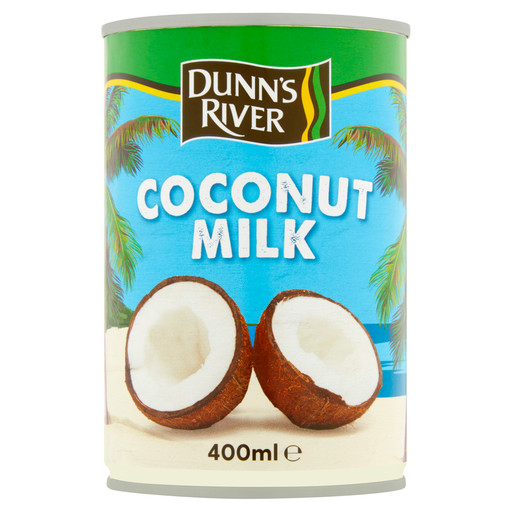 No image available
Consider this 400ml option for a recipe that uses coconut milk as one ingredient. Check the pack’s salt, saturated fat, ingredients, allergens and instructions for any leftovers before serving it to a baby.
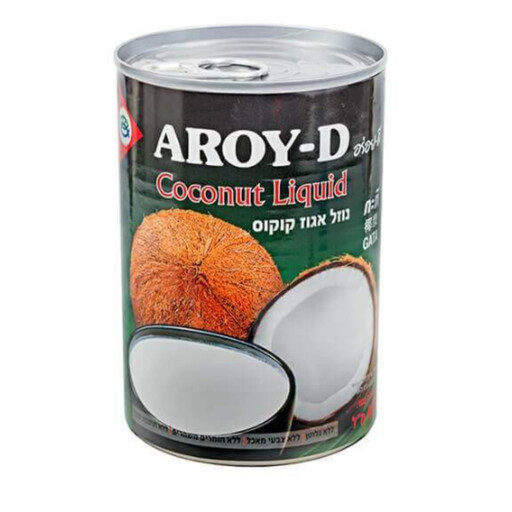 No image available
The name identifies a 400ml coconut milk with 17% fat. If using it in a baby meal, read the current salt and allergen declarations on the pack and keep it as a food ingredient, not a milk-feed substitute.
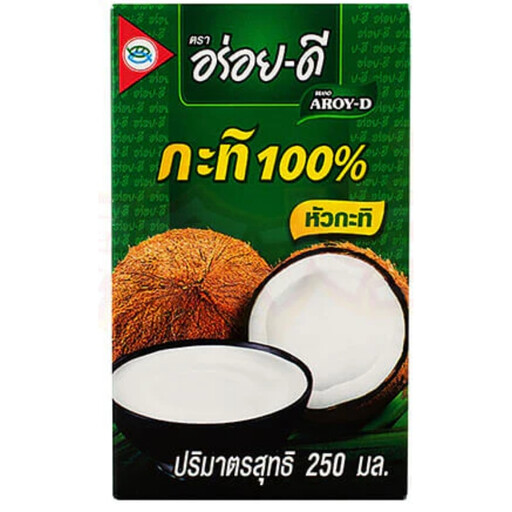 No image available
The 250ml carton is an option when a recipe calls for a smaller quantity than a 1L pack. Check its own nutrition panel, ingredients, allergen declaration and opened-carton instructions before using it in a weaning meal.
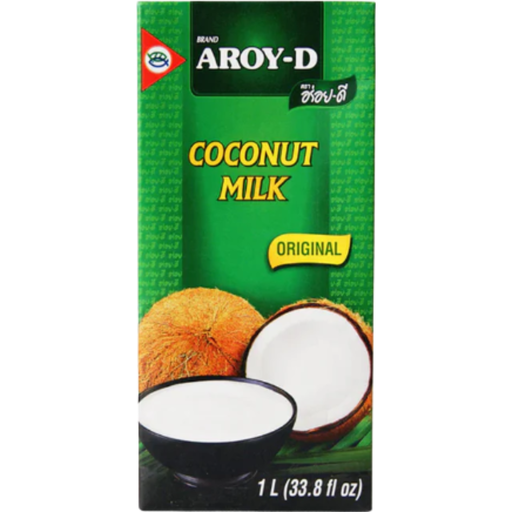 No image available
This 1L carton is a different pack size from the 250ml AROY-D option. If a family recipe uses only a little for a baby’s portion, follow this carton’s storage instructions for the remainder and check its own ingredients, salt and allergens.
 No image available
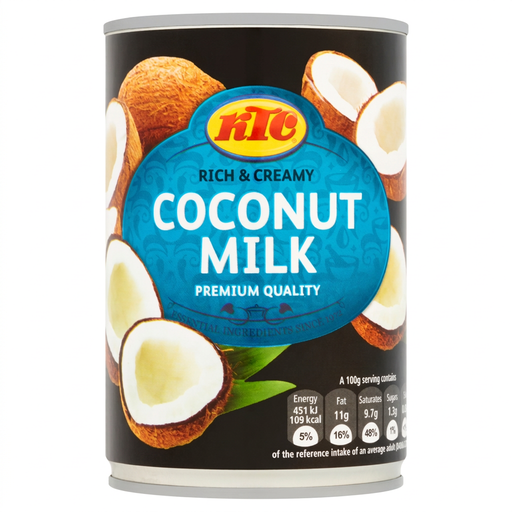
For a cooked weaning recipe, use this 400g coconut milk only as an ingredient. Read the physical pack’s nutrition and allergen panels, along with its storage instructions, before deciding whether it fits the meal.
No. NHS guidance says to continue breastfeeding or giving first infant formula until your baby is at least 1 year old. Coconut milk can be part of weaning food from around 6 months, but a plant-based drink should not become the main milk drink before age 1.
From around 6 months, when your baby is ready to start solids, coconut milk can be used as an ingredient in food such as porridge, soup or sauce. Continue the usual breast milk or first infant-formula feeds alongside solids, in line with NHS guidance.
Start with a plain cooking coconut milk and check its current ingredients and salt figure. Similar names do not mean similar contents: Waitrose & Partners lists sugar and soya in Alpro Barista Coconut Chilled Drink, while a Joybuy Coconut Palm ready-to-drink product lists sugar as an ingredient.
Check the exact product’s ingredient and allergen label, and speak to a GP or health visitor about your baby’s circumstances before introducing potentially allergenic foods. NHS guidance advises introducing foods that can trigger allergies one at a time from around 6 months so that a reaction can be spotted.
No conclusion about dairy content follows from that name alone. Read the current ingredient and allergen declaration on the physical pack, particularly if your baby has an allergy; coconut-labelled products can contain other ingredients, including soya.