For a soft, moist sauce or soup, start with coconut milk intended for cooking rather than a ready-to-drink coconut beverage. Check the current pack against the particular allergen you avoid; a short ingredient list is not an all-allergen-free claim. If a meal must meet IDDSI Level 7 Easy to Chew guidance, its finished texture matters more than the coconut milk alone.
Who is this for?
Home cooks preparing soft, moist meals
Cooking coconut milk can be used in soups, sauces, curries and soft rice or pulse dishes. For IDDSI Level 7 Easy to Chew, Cambridge University Hospitals NHS Foundation Trust says the finished food should be soft and tender enough to cut or break apart with the side of a fork or spoon.
Shoppers avoiding a particular allergen
Check the current pack for the ingredient, allergen declaration and any precautionary wording relevant to you. Coconut, vegan or dairy-free wording does not establish suitability for every allergy.
People following prescribed meal-texture advice
Coconut milk is one ingredient, not a way to establish that a whole meal meets a prescribed texture. Royal Berkshire NHS Foundation Trust advises using dysphagia recipes alongside individual speech and language therapy and dietetic advice.
What should you check?
Choose a cooking format for the recipe, then check allergen information and the texture of the complete dish separately.
| Priority | What to check | Your needs |
|---|
| Specific allergen |
Read the current pack’s ingredients, allergen declaration and any precautionary statement. The UK Food Standards Agency distinguishes deliberately added regulated allergens from possible unintended presence communicated by precautionary labelling. |
I need to check the particular allergen I avoid, rather than rely on a general free-from or vegan description. |
| Cooking format |
Look for coconut milk intended for curries, soups or sauces. Check whether a carton is a cooking ingredient or a ready-to-drink coconut beverage. |
I’m making a sauce or soup and want the ingredient intended for that use, not a drink chosen because its name sounds similar. |
| Recipe formulation |
Compare ingredients and, where stated on comparable labels, coconut content and fat using the same per 100 g or per 100 ml basis. Biona Organic notes that its coconut milk can separate and may need stirring or blending into a dish. |
A short ingredient list matters to me, or I would rather use a cooking milk with added stabilising ingredients. Neither choice replaces an allergen check. |
| Finished texture |
Check every component of the prepared meal. Cambridge University Hospitals NHS Foundation Trust describes IDDSI Level 7 Easy to Chew food as soft and tender, and able to break apart with a fork or spoon. |
I want a moist dish, but still need its pieces and overall texture to meet the advice for the person eating it. |
| Pack size and storage |
Choose an amount that fits planned meals, and follow the particular pack’s instructions after opening. |
If I only need a little coconut milk, I want to know how I’ll store and use the remainder. |
Common buying mistakes
-
Treating two ingredients as an all-allergen-free claim
An ingredient list does not, by itself, address possible unintended allergen presence. The Food Standards Agency explains that precautionary allergen wording communicates that separate risk.
Match the current pack’s ingredients and any precautionary statement to the specific allergen you avoid.
-
Buying a coconut drink for a cooking recipe
A ready-to-drink product has a different intended use from cooking coconut milk. The Joybuy Coconut Palm beverage, for example, lists sugar among its ingredients.
For a curry, soup or sauce, check that the product is intended for cooking; compare its label with the recipe’s requirements before substituting a drink.
-
Assuming coconut milk makes the whole meal easy to chew
Vegetables, rice and other pieces still determine the finished meal’s texture. IDDSI Level 7 Easy to Chew is not appropriate for everyone with swallowing difficulty.
Prepare all components to the required texture and follow the person’s prescribed guidance where applicable.
-
Overlooking instructions after opening
Storage directions affect how you can use what remains after making one meal.
Read the pack’s refrigeration, container and use-by instructions before deciding which size to buy.
Brand references for coconut milk
These examples show different cooking formulations and a beverage alternative; brand inclusion does not establish allergen suitability.
Koko
Koko Cuisine is a coconut milk intended for cooking.
- Koko Dairy Free lists water, 25% coconut extract, an emulsifier and gellan gum for Koko Cuisine.
- Check the current pack for the allergen you avoid and any precautionary wording.
Tesco
Tesco offers an own-label cooking coconut milk in a 400 ml format.
- Tesco lists 51% coconut extract alongside water and stabilising ingredients.
- Tesco advises reading the label because ingredients and allergen information can change.
M&S
M&S lists a cooking coconut milk for dishes such as curries and soups.
- Its listed ingredients are 60% coconut extract and water.
- That short list is not an all-allergen-free declaration; check the current pack.
Waitrose
Waitrose Essential Coconut Milk is a cooking option in a 400 ml can.
- Waitrose lists 60% coconut extract, water and guar gum.
- Use the packaging to check allergen information relevant to you.
Alpro
Alpro’s coconut products include beverages, which are a different choice from cooking coconut milk.
- Alpro lists a Coconut 1L UHT beverage.
- Check its intended use and label before substituting it for cooking coconut milk.
Cooking coconut milk on Joybuy
These coconut milks are options for soups, sauces and curries. Check each current pack against your allergen needs; none of these products alone establishes that a finished meal meets easy-chew guidance.
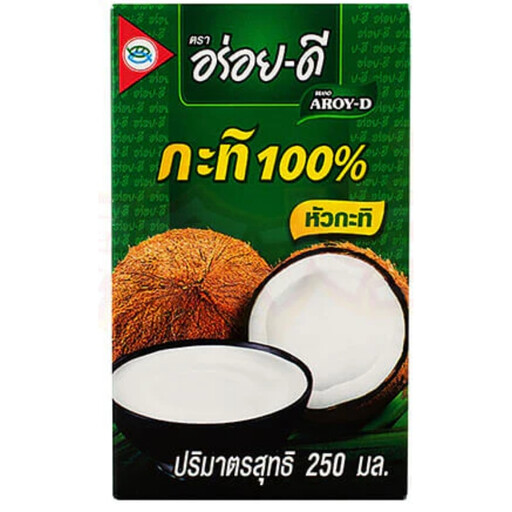 Image unavailable
AROY-D Coconut Milk 250 ml carton
A smaller carton to consider when making a soup or sauce. Check the current pack for the specific allergen you avoid; after opening, follow its refrigeration and use instructions.
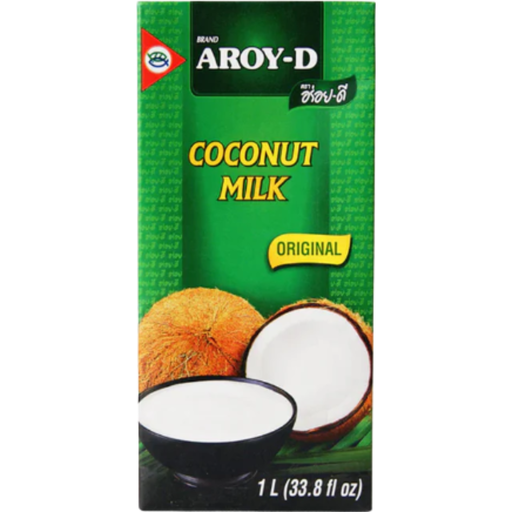 Image unavailable
AROY-D Original Coconut Milk 1 L carton
A larger carton for recipes using more cooking coconut milk. Plan how to store the remainder after opening, and check the current pack’s allergen information.
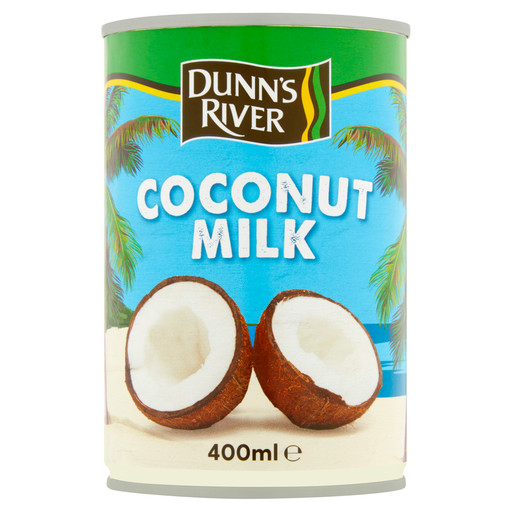 Image unavailable
Dunns River Coconut Milk 400 ml
A cooking coconut milk to consider for soups or stews. Do not treat an ‘allergens: none’ listing field as proof of suitability for every allergy; check the current pack and its precautionary wording.
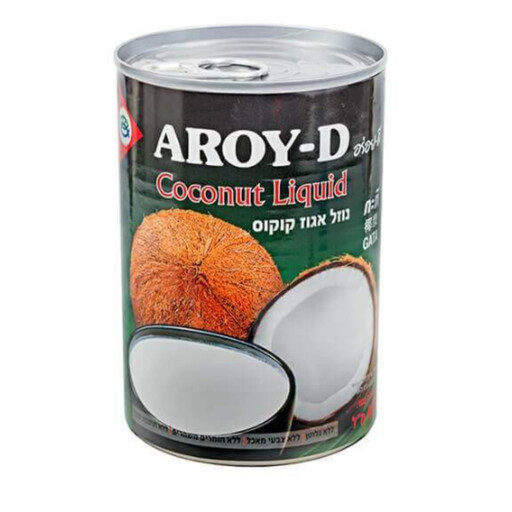 Image unavailable
AROY-D Coconut Milk 17% Fat 400 ml
A 400 ml cooking option labelled 17% fat. Its listing warns that it may contain traces of soy and milk; check the current pack if either allergen matters to you.
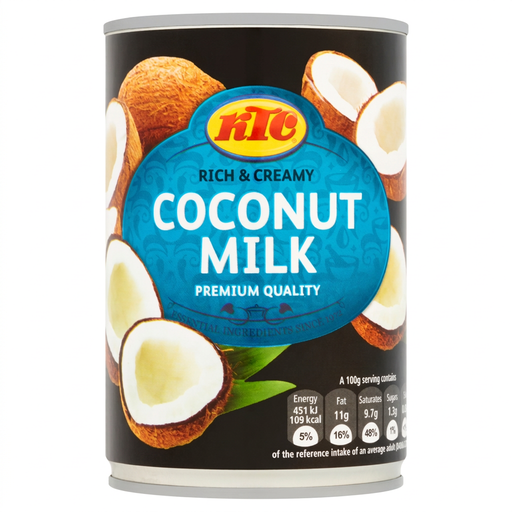 Image unavailable
KTC Coconut Milk 400 g
A cooking coconut milk for dishes such as soups and curries. Check its current allergen declaration and opened-can storage instructions; compare the pack’s nutrition panel if fat content matters to your recipe.
Questions about coconut milk
Does vegan or dairy-free coconut milk suit every allergy?
No. Those descriptions do not establish freedom from every UK-regulated allergen or address possible cross-contact. Check the current pack for the particular allergen you avoid and any precautionary wording.
Can coconut milk make any dish suitable for IDDSI Easy to Chew?
No. Cambridge University Hospitals NHS Foundation Trust says IDDSI Level 7 Easy to Chew food should be soft and tender enough to break apart with a fork or spoon. Check the whole prepared meal, and follow individual professional advice where applicable.
How should I store coconut milk after opening?
Follow the instructions on the particular pack, including refrigeration, container and use period. Consider the amount your planned meals need before choosing a larger carton or can.
Can I use a coconut drink instead of cooking coconut milk?
Do not assume the two will serve the same recipe. The Joybuy Coconut Palm drink lists sugar, while cooking coconut milks are presented for uses such as soups and curries. Check the intended use and compare the labels before making a substitution.


