
24/7 Customer Support

Free returns

Same-day & Next-day Delivery

Quality Guaranteed

Unlock Your Welcome Offers: FREE Delivery | Up to 80% OFF | Free 30-day JoyPlus trial
Download the APP
Coconut oil has become a staple in many UK households, praised for its versatility in everything from cooking to skincare. Yet, the sheer variety on the shelves can be overwhelming. With labels like "virgin," "refined" and "cold-pressed," it's easy to pick a product that isn't quite right for your needs. As the Joybuy Product Recommendation Officer, my role is to help you navigate the market and make informed choices. Here, we'll break down the common purchasing pitfalls and clarify what really matters.
Many shoppers find themselves confused by marketing terms that don't tell the whole story. Here are two frequent traps to avoid:
To ensure you get a product that meets your expectations, focus on these two key parameters.
The way coconut oil is extracted has a significant impact on its quality, flavour and nutritional profile.
Your intended application should guide your purchase.
To simplify your choice, we've matched some popular products to different user needs, helping you avoid the common pitfalls.
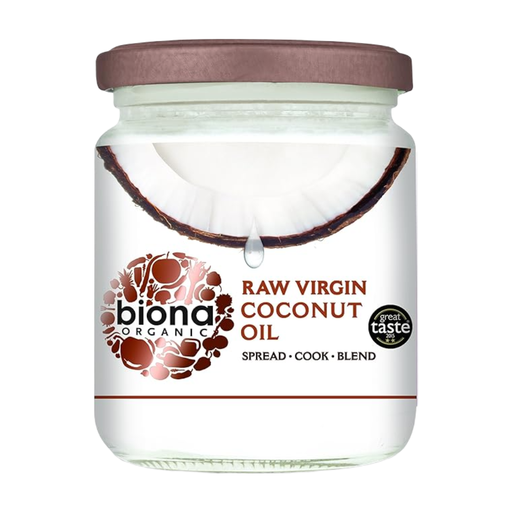
Why This Fits Their Persona: Ideal for the home cook who values purity and flavour. Its organic and raw status makes it perfect for adding an authentic, exotic taste to curries, stir-fries or even spreading on toast as a butter alternative.
This is a raw, virgin and cold-pressed oil, not a refined one. You get the full, unadulterated coconut aroma and nutritional profile, avoiding the common mix-up with processed alternatives.
It is 100% organic and cold-pressed from fresh coconuts, ensuring no bleaching or deodorising. It has also won a Great Taste Award, indicating its quality flavour.
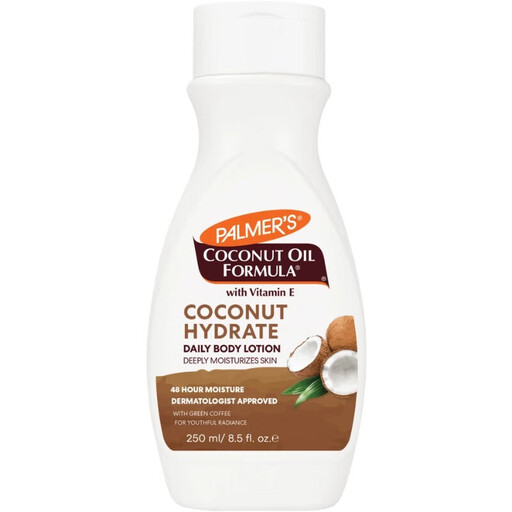
Why This Fits Their Persona: Perfect for someone seeking a reliable, daily natural moisturiser without the hassle of using raw oil. It's formulated for the body, absorbs well, and is suitable for those looking for vegan beauty products.
This product avoids the "coconut-infused" illusion. Coconut Fruit Extract and Coconut Oil are high on the ingredients list, and the formula is free from parabens, phthalates and dyes.
It provides long-lasting hydration (up to 48 hours) and is specifically formulated for skin, combining coconut oil with other nourishing ingredients like Green Coffee Extract and Shea Butter.
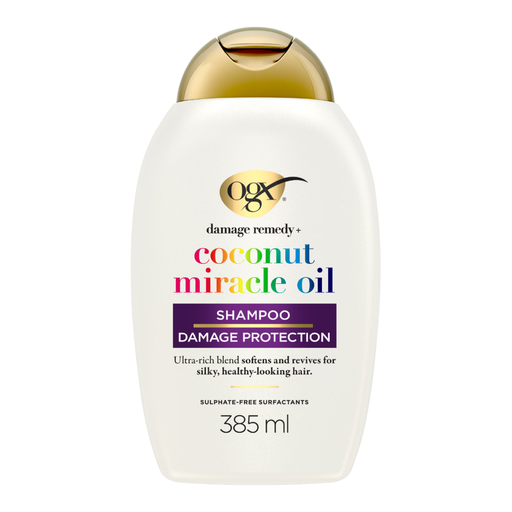
Why This Fits Their Persona: This is for the individual with dry, frizzy, or damaged hair who needs a targeted solution. It's a convenient, all-in-one coconut oil shampoo designed to repair, soften and revive hair.
This shampoo uses a blend where coconut oil is a key active ingredient, not just a marketing term. The formula is also made with sulphate-free surfactants, offering a gentler cleanse than many standard shampoos.
It's specifically formulated to tame frizz and flyaways, leaving hair silky and manageable. The blend includes essence of tiare and vanilla bean extract for a pleasant, lasting scent.
We have compiled a complete, real-time list of products that fully satisfy these strict selection criteria and UK safety regulations.
Coconut oil should be stored in a cool, dark place away from direct sunlight, like a pantry or cupboard. It is naturally solid at temperatures below 24°C and will liquefy when warmer; this change in consistency is normal and does not affect the quality. Like all oils, it can go off over time. Always check the best-before date on the packaging.
You can, provided you are using a 100% pure, organic virgin coconut oil. This type is versatile enough for both culinary and cosmetic use. However, some people may find pure oil a bit heavy or greasy on their skin. For this reason, a specially formulated coconut body lotion or hair product might be a more convenient and pleasant option for your daily beauty routine.
It depends on the cooking method. Virgin coconut oil has a distinct coconut flavour and a lower smoke point, making it ideal for baking, sautéing at low-to-medium temperatures or as a finishing oil. Refined coconut oil has a neutral taste and a higher smoke point, which makes it a better choice for high-heat frying or roasting where you don't want the food to taste of coconut.