
24/7 Customer Support

Free returns

Same-day & Next-day Delivery

Quality Guaranteed

Unlock Your Welcome Offers: FREE Delivery | Up to 80% OFF | Free 30-day JoyPlus trial
Download the APP
Coconut oil can be a useful kitchen ingredient and a familiar addition to hair and skincare routines, but shopping labels are not always straightforward. Terms such as organic, virgin, cold-pressed and extra virgin coconut oil may sound interchangeable, even though they can describe different aspects of production and certification.
The main risk is buying a product that does not match your intended use. A small jar may suit occasional baking but offer poor value for regular cooking, while a coconut oil shampoo may contain only a modest amount of coconut-derived ingredients alongside cleansing agents. The following guide explains what to check before purchasing, with practical options for UK households.
A jar labelled 100% coconut oil should list coconut oil as its only ingredient. By contrast, coconut oil beauty products, coconut oil shampoo, shower gel and body lotion are formulated products. They may contain coconut oil, coconut extract or coconut-derived cleansing ingredients, but they are not substitutes for culinary oil.
Always check the ingredient list and the product’s intended use. Food products should not automatically be used on the face or scalp, and personal-care products should never be consumed.
Organic certification relates primarily to how the coconuts are grown and handled under the relevant certification scheme. It does not automatically tell you whether the oil is refined, deodorised, raw or cold-pressed.
For a minimally processed option, look for wording such as organic virgin coconut oil, raw virgin coconut oil or cold-pressed coconut oil, then confirm the full ingredient list and certification information on the packaging.
Coconut oil is plant-based and suitable for vegan diets when no other ingredients are present. However, it is still a concentrated fat. For example, the Morrisons product information lists 86.6g of saturates per 100ml, while other coconut oils list similarly high saturated-fat values.
Use it as part of a varied diet rather than assuming that “natural”, “MCT” or “wellness” wording makes it suitable for unlimited consumption. If you have a health condition or are changing your diet for a specific reason, seek individual advice from a qualified healthcare professional.
For coconut oil for cooking, the simplest formulation is often the easiest to assess:
A product such as Morrisons Organic Virgin Coconut Oil 300ml lists 100% organic virgin coconut oil as its ingredient and provides nutrition and storage information for UK shoppers.
Virgin and cold-pressed oils can retain a noticeable coconut aroma and flavour, which may suit curries, baking, smoothies and spreading. They are not automatically the right choice for every high-temperature cooking method.
Check the manufacturer’s guidance. The BoonBoon sachets, for example, state that the oil is suitable for frying, sautéing and baking but recommend low to medium heat because of its smoke point. Portion sachets can also reduce waste if you only use small amounts.
Coconut oil commonly becomes solid below approximately 24–25°C and liquefies in warmer conditions. This change is normal and does not, by itself, indicate spoilage. Store the jar in a cool, dry place away from direct sunlight, and use clean utensils to reduce contamination.
Compare quantity with frequency of use. A 200g jar may be sensible for occasional baking or personal care, while a 500ml container may offer more practical value for a household using coconut oil regularly. Multi-packs can reduce the need for repeat purchases, but only if you can use the product before its best-before date.
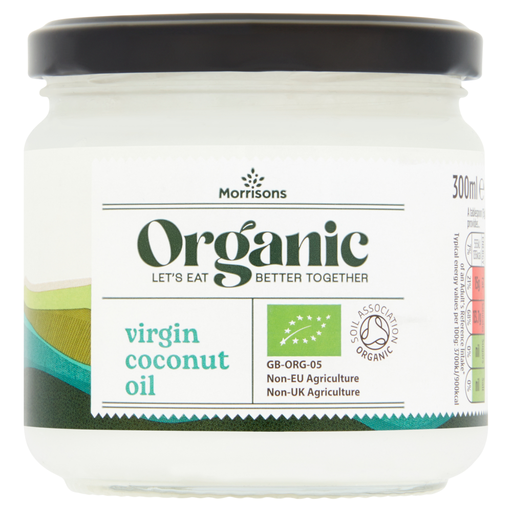
Why This Fits Their Persona: A manageable 300ml size suits shoppers trying organic coconut oil for baking, curries or occasional kitchen use without committing to a large container.
The label identifies a single ingredient and states the storage condition, helping avoid confusion with coconut-flavoured blends.
Organic virgin formulation; suitable for vegetarian and vegan diets according to the product information.
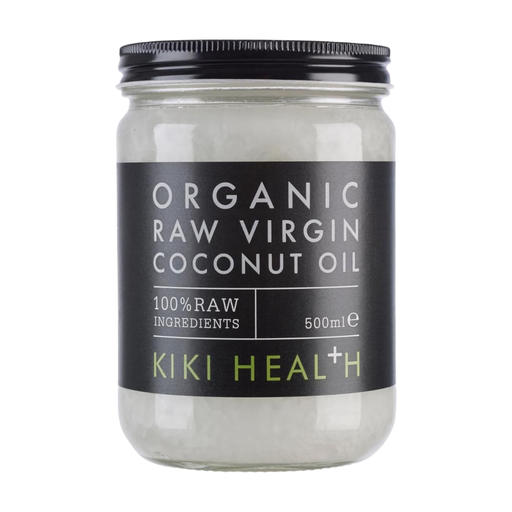
Why This Fits Their Persona: A 500ml format is practical for shoppers wanting one organic oil for cooking, baking and occasional external hair or skin use.
The product information specifies organic, cold-pressed extra virgin coconut oil and lists the ingredient as 100% organic extra virgin coconut oil.
Free from listed gluten, lactose, nuts, soy, palm oil and artificial additives; suitable for vegans and vegetarians.
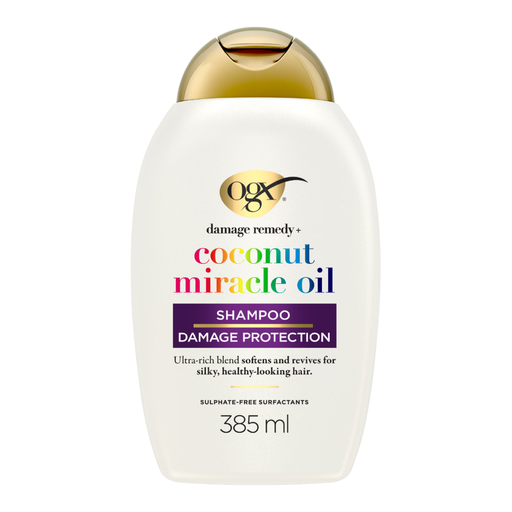
Why This Fits Their Persona: Designed for shoppers specifically looking for coconut oil for hair rather than a culinary oil, particularly those managing dry-feeling or frizzy hair.
It is clearly presented as a shampoo, not edible coconut oil, and its full ingredient list shows the cleansing and conditioning formula.
385ml bottle; uses sulphate-free surfactants according to the supplied product description and includes coconut oil, tiare and vanilla extracts.
We have compiled a complete, real-time list of products that fully satisfy these strict selection criteria and UK safety regulations.
Yes, coconut oil is sold as a cooking ingredient and can be used for purposes such as baking, sautéing and adding to curries. Check the label’s heat guidance, as virgin and cold-pressed products may be recommended for lower or moderate temperatures. It is high in saturated fat, so use it alongside a varied selection of fats and oils.
Coconut oil naturally solidifies at cooler room temperatures, commonly below around 24–25°C. It becomes liquid when warmed. This is a normal physical change, not necessarily a quality problem. Follow the storage instructions and check the best-before date before use.
Some pure coconut oils are marketed for both culinary and external use, but check the packaging first. Hair and skin products such as coconut oil shampoo, coconut oil body lotion and coconut oil shower gel contain additional ingredients designed for cleansing or moisturising. Carry out a patch test if you have sensitive skin, avoid broken skin and stop using any product that causes irritation.