
24/7 Customer Support

Free returns

Same-day & Next-day Delivery

Quality Guaranteed

Unlock Your Welcome Offers: FREE Delivery | Up to 80% OFF | Free 30-day JoyPlus trial
Download the APP
From creamy curries to refreshing post-gym drinks, coconut products have become a staple in many UK kitchens. Yet, navigating the supermarket aisle can be confusing. With so many options available, it's easy to pick the wrong product, leading to a watery curry, a sugar-laden "health" drink or a baking disaster. As a Joybuy Product Recommendation Officer, my role is to help you see past the marketing and choose the right item for your needs.
Before you buy coconut products online, let's look at a few common pitfalls that catch shoppers out:
To ensure you get the right product every time, focus on these three core parameters.
For coconut milk and coconut cream, the fat content is the single most important factor for cooking. It dictates the texture and richness of your final dish.
Whether you're buying coconut water for hydration or virgin coconut oil for cooking, a short, simple ingredients list is a good sign.
Not all solid coconut products are the same. Understanding the form helps you choose correctly for baking and desserts.
Based on these practical criteria, here are a few coconut products suited to different needs and lifestyles.
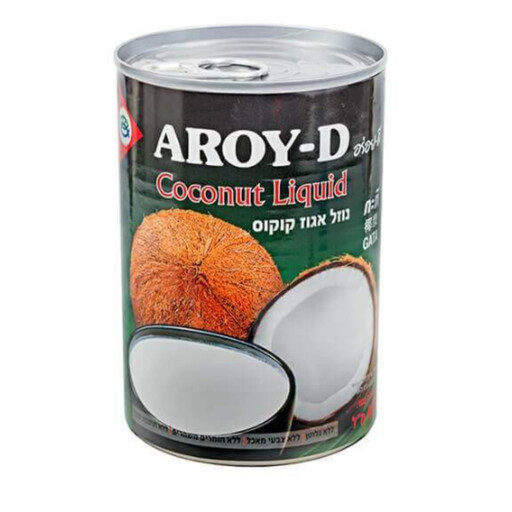
Why This Fits Their Persona: For the home cook dedicated to making authentic Thai or Caribbean dishes, this coconut milk provides the richness needed for a perfect curry. Its consistent quality means your laksa or green curry will have that restaurant-style creaminess every time.
It clearly states 17% fat on the packaging, removing the guesswork and preventing the "watery curry" pitfall. It is designed for cooking, not as a beverage.
Delivers a smooth, velvety texture and authentic flavour essential for Southeast Asian cuisine. The simple ingredient list ensures a pure coconut taste.
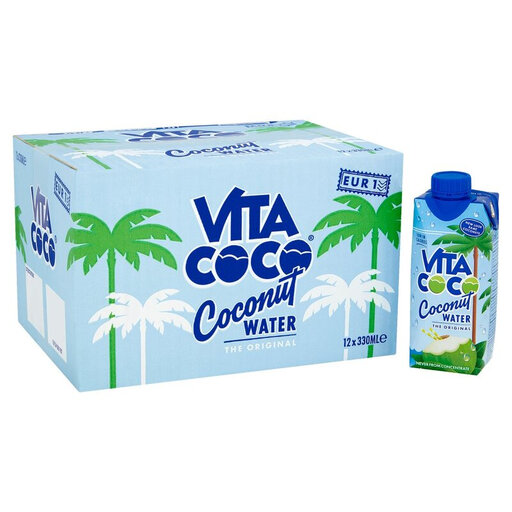
Why This Fits Their Persona: Ideal for health-conscious individuals in the UK looking for a natural way to rehydrate after a run, a gym session or during a busy day. It's a straightforward, refreshing drink without unnecessary additives.
The ingredients are 99% coconut water with less than 1% fruit sugar. This transparency helps you avoid the hidden sugar trap common in flavoured or imitation coconut drinks.
Naturally contains electrolytes like potassium. It is fat-free, low in calories and comes in convenient single-serving cartons.
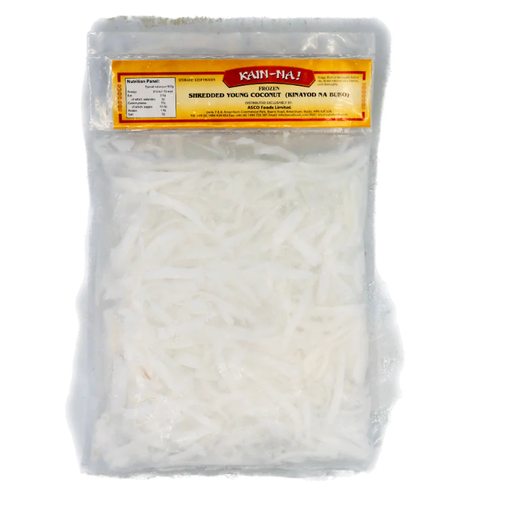
Why This Fits Their Persona: Perfect for the home baker or food enthusiast exploring Filipino desserts. This product provides the specific texture of young coconut meat needed for authentic buko pie, buko salad or as a topping for halo-halo.
This is shredded young coconut, not dry desiccated coconut. Using it prevents the common mistake of ending up with a dry, fibrous texture in a dessert that requires moist, tender coconut.
Conveniently pre-shredded and ready to use, saving the significant effort of preparing a fresh young coconut. It delivers an authentic soft and juicy texture.
We have compiled a complete, real-time list of products that fully satisfy these strict selection criteria and UK safety regulations.
Coconut milk is made by grating the flesh of a mature coconut and simmering it in water. It has a fat content typically between 10-22% and is used for cooking. Coconut cream is thicker, with a higher fat content (20-24%), made from the first pressing of the coconut flesh. It's used for rich desserts and sauces. Coconut drink is a beverage made from coconut water or diluted coconut milk, often with added sugars and flavours, and is not suitable for most cooking applications.
For an authentic Thai green curry with a rich, creamy sauce, it is advisable to use a coconut milk with a fat content of at least 17%. A lower-fat or 'light' version will produce a much thinner, more watery sauce that may split when simmered with the curry paste. Always check the fat percentage on the nutritional information panel.
Coconut water is naturally rich in electrolytes, particularly potassium, which helps the body maintain fluid balance. It is a popular choice for rehydration after light exercise or on a hot day. However, it's important to choose a brand with no or very low added sugar to get the most benefit. For intense, prolonged exercise, a specialised sports drink may be more appropriate.