
24/7 Customer Support

Free returns

Same-day & Next-day Delivery

Quality Guaranteed

Unlock Your Welcome Offers: FREE Delivery | Up to 80% OFF | Free 30-day JoyPlus trial
Download the APP
From the creaminess in your morning latte to the hydrating boost after a workout, coconut products have become a staple in many UK households. Yet, navigating the shelves can be tricky. With so many options available, it's easy to fall for marketing hype and end up with a product that doesn't meet your needs. As a Joybuy Product Recommendation Officer, my role is to help you cut through the clutter and make informed choices.
This guide will highlight the common pitfalls shoppers face when buying coconut products and break down the key factors to look for, ensuring you get genuine quality and value.
Many products with a palm tree on the label aren't as straightforward as they seem. Being aware of these common issues can save you both money and disappointment.
To avoid these traps, focus on a few key details that signal a product's true quality.
The simplest way to judge a product is by its ingredients. For a high-quality dairy-free coconut drink or coconut water, the list should be short and simple.
A product's formulation determines its performance. Using the wrong type will lead to poor results.
Based on these practical criteria, here are some recommended coconut products that align with different needs and lifestyles.
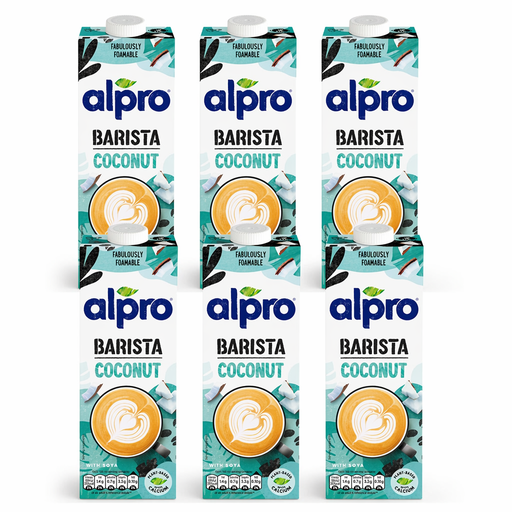
Why This Fits Their Persona: Perfect for the UK coffee lover who wants to reliably create café-quality drinks at home. It delivers a creamy coconut taste without overpowering the coffee and is formulated for performance.
This product directly solves the "Barista Blend Disappointment." Its blend of coconut and hulled soya beans, along with stabilisers, is specifically designed to create a stable, lasting microfoam and prevent curdling in hot coffee.
Reliable foaming and heating performance. Subtle coconut flavour that complements coffee. 100% plant-based and suitable for vegans.
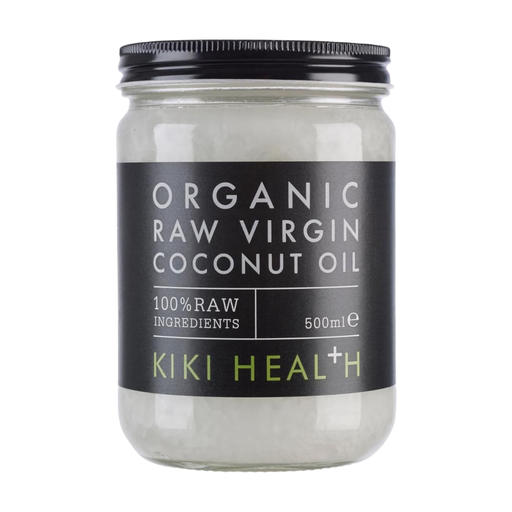
Why This Fits Their Persona: For the health-conscious individual who demands purity and versatility. This oil is ideal for clean cooking, adding to smoothies or using as a natural skin and hair moisturiser.
This product is the antidote to the "Pure Oil That Isn't" trap. It is 100% organic, cold-pressed and extra virgin, meaning it has undergone minimal processing, retaining its natural aroma, flavour and nutritional profile.
Single-ingredient purity (100% organic coconut oil). Versatile for both culinary and personal care use. Free from common allergens and additives.
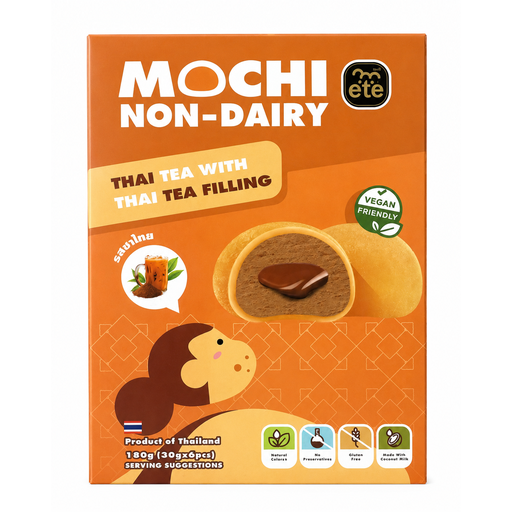
Why This Fits Their Persona: For those seeking a unique, ready-to-eat treat that is also plant-based. This vegan coconut dessert offers an exciting flavour combination in a convenient, portion-controlled format.
While it is a dessert and contains sugar, it avoids the "hidden" trap by being transparent. The primary ingredient is coconut milk, and the flavour comes from real Thai tea extract, offering an authentic experience without misleading health claims.
Dairy-free and vegan-friendly. Unique Thai tea flavour profile. Convenient and portioned for an easy dessert.
We have compiled a complete, real-time list of products that fully satisfy these strict selection criteria and UK safety regulations.
Here are answers to a few common queries about using coconut products.
It is not recommended. Standard culinary coconut milk, especially the tinned variety, has a high fat content and lacks the stabilisers found in barista editions. It will likely separate or curdle when added to hot coffee, resulting in an unpleasant, oily texture. For a smooth, creamy coffee, always opt for a product labelled as a barista coconut milk.
They come from different parts of the coconut and have very different properties. Coconut water is the thin, clear liquid found inside young, green coconuts. It is naturally low in fat and calories and is known for its hydrating electrolytes. Coconut milk is a processed product made by grating the white flesh of mature coconuts and mixing it with water. It is much creamier, higher in fat, and is typically used in cooking, desserts and as a milk substitute.
"Organic" refers to the farming method, certifying that the coconuts were grown without synthetic pesticides or fertilisers. While this is a valuable standard, it doesn't tell the whole story about the oil's quality. For the least processed oil, you should also look for the terms "virgin" (or extra virgin) and "cold-pressed" on the label. These indicate how the oil was extracted. A product that is both organic and cold-pressed virgin is often a sign of high quality.