
24/7 Customer Support

Free returns

Same-day & Next-day Delivery

Quality Guaranteed

Unlock Your Welcome Offers: FREE Delivery | Up to 80% OFF | Free 30-day JoyPlus trial
Download the APP
If you are dealing with hair that feels dry, looks dull or is prone to frizz, you have likely considered adding a coconut shampoo to your routine. Known for its hydrating properties, coconut has become a go-to ingredient for those seeking to restore moisture and shine. However, the market is saturated with options and not all deliver on their promises.
Many shoppers find themselves disappointed, having spent money on a product that either fails to hydrate or, worse, leaves their hair feeling heavy and weighed down. Before you make a purchase, it is helpful to understand a few common pitfalls that can lead to a bad buy.
natural coconut shampoo yet still contain harsh detergents that strip your hair's essential moisture, which is the opposite of what you need for dry hair.To find a truly effective hydrating shampoo, it is crucial to look beyond the front label and analyse a few key details on the ingredients list.
The type of coconut derivative in the formula determines its effect. Understanding the difference helps you match the product to your hair's needs.
Cocos Nucifera Oil): This is a rich, penetrating oil packed with fatty acids. It is excellent for deeply nourishing and moisturising, making it ideal for a shampoo for dry hair or shampoo for damaged hair. It helps to smooth the hair cuticle, reduce frizz and add shine.Cocos Nucifera Water): This is a much lighter, hydrating liquid. It provides moisture without the weight of heavy oils, making it suitable for finer hair types that are prone to feeling greasy or weighed down.The primary job of a shampoo is to cleanse, and the agent used for this is critical, especially for dry hair.
sulphate-free shampoo uses milder cleansing agents (e.g., Sodium Cocoyl Isethionate, Cocamidopropyl Betaine). These produce a less aggressive lather but cleanse gently without stripping moisture. They are an excellent choice for dry, damaged, colour-treated or sensitive scalps.For many UK shoppers, what is not in the bottle is as important as what is.
vegan shampoo contains no animal-derived ingredients. Look for certifications from organisations like The Vegan Society. Cruelty-free approval, such as the Leaping Bunny programme, indicates that no animal testing was conducted during the product's development.Based on these practical criteria, we have matched several products to different user needs. Instead of a one-size-fits-all approach, this selection addresses specific hair concerns and lifestyle preferences.
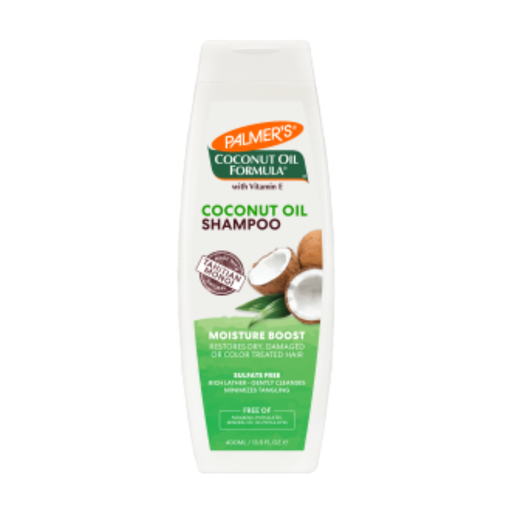
Why This Fits Their Persona: This user needs an intensive solution for hair that is dry, brittle or damaged from colouring and heat styling. The rich, creamy formula is designed specifically to restore moisture and manageability to compromised hair.
It is a sulphate-free shampoo, so it cleanses without stripping already fragile hair. The formula is built around ethically sourced Coconut Oil and Tahitian Monoi, not just a synthetic scent.
Provides a rich, creamy lather despite being sulphate-free, effectively removing build-up while locking in moisture. It is also free from parabens, phthalates and dyes.
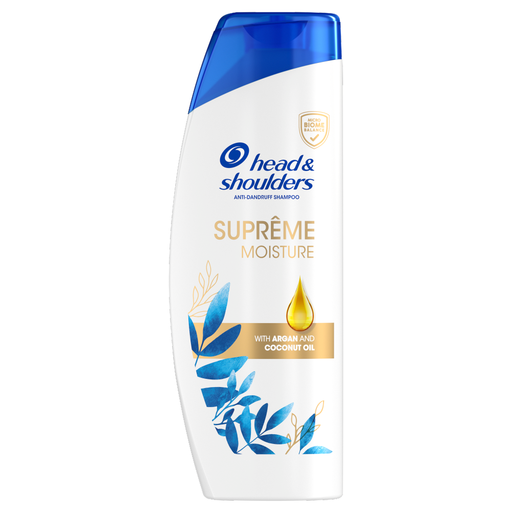
Why This Fits Their Persona: This individual needs to manage dandruff without drying out their hair and scalp. They are looking for a reliable, everyday solution that balances anti-flake efficacy with much-needed hydration.
Unlike some harsh anti-dandruff formulas, this one is specifically designed to provide moisture. It avoids the one-size-fits-all problem by targeting both dandruff and dryness simultaneously.
The formula contains Piroctone Olamine to target the cause of dandruff, while the inclusion of Coconut Oil and Argan Oil provides nourishment. It is pH balanced and dermatologically tested for daily use.
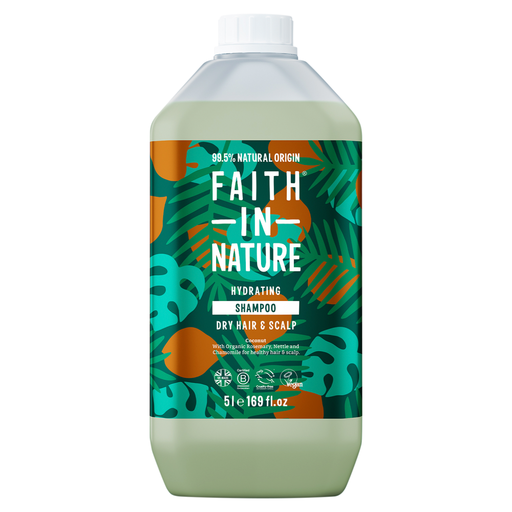
Why This Fits Their Persona: This user prioritises sustainability and wants to reduce plastic waste by buying in bulk. They seek products with high natural origin content and strong ethical credentials, without compromising on performance for their dry hair.
It sidesteps the "natural illusion" by being made with 99.5% natural origin ingredients. It is also free from parabens and SLS, making it a genuinely gentle and eco-conscious choice.
The 5L bulk container significantly reduces plastic consumption per millilitre. The formula is certified vegan and cruelty-free, and is 99% biodegradable, aligning with strong environmental values.
We have compiled a complete, real-time list of products that fully satisfy these strict selection criteria and UK safety regulations.
Yes, shampoos containing coconut oil are generally very good for dry and frizzy hair. The fatty acids in coconut oil help to replenish lipids in the hair shaft, smoothing the cuticle and locking in moisture. This reduces frizz and leaves hair feeling softer and looking shinier. For best results, look for a coconut oil shampoo that is also sulphate-free to avoid stripping natural oils.
Whether you can use a coconut shampoo daily depends on your hair type and the product's formula. A gentle, sulphate-free hydrating shampoo is often suitable for daily use, even on dry hair. However, if you have very fine hair or a particularly rich, oil-heavy formula, you might find that using it every other day yields better results to prevent any feeling of weight.
While no shampoo can magically make hair grow faster, a good quality coconut shampoo can contribute to a healthier environment for hair growth. By moisturising the scalp, reducing inflammation and strengthening the hair shaft to prevent breakage, it helps you retain length and maintain the health of your existing hair. A healthy, well-nourished scalp is the foundation for strong hair.