Parents baking half-term snacks
If a recipe calls for coconut to mix into a bake or scatter on top, the distinction between dry desiccated coconut and canned coconut milk matters before you buy.


For a ready-prepared coconut topping or baking ingredient, look for desiccated coconut rather than “pre-grated coconut milk”. Choose canned coconut milk when a recipe needs a creamy liquid, or a coconut drink for a pourable drink or cereal. Check the exact pack for ingredients, allergens, nutrition and any storage or child-use instructions.
If a recipe calls for coconut to mix into a bake or scatter on top, the distinction between dry desiccated coconut and canned coconut milk matters before you buy.
For cereal or a cold drink, check that the carton is a coconut drink, then read its fortification, ingredient and age-related label information.
Check the current pack for ingredients and precautionary allergen statements. For example, Waitrose & Partners lists sulphur dioxide in its desiccated coconut and says it may contain peanuts, nuts and sesame.
Start with the job the coconut must do in the recipe; then compare the label details that matter for the people eating it.
Choose for: A dry, ready-prepared ingredient to add to baking or toppings.
Bear in mind: It will not provide the liquid a recipe means by coconut milk.
Choose for: A recipe that calls for a creamy liquid coconut ingredient.
Bear in mind: It cannot replace dry coconut scattered over a snack.
Choose for: A pourable drink or coconut-based option for cereal.
Bear in mind: Do not assume it will give a recipe intended for canned coconut milk the same result.
| Priority | What to check | Your needs |
|---|---|---|
| Recipe format | Check whether the recipe specifies desiccated coconut, canned coconut milk or a coconut drink. For toppings, check the grate or texture required. | I need coconut to mix into baking or sprinkle on top, not a liquid with a similar name. |
| Nutrition and amount | Read saturates on the pack and note whether figures are per 100g, per 100ml or per serving. The NHS classifies foods with more than 5g saturates per 100g as high; compare that food threshold only on the stated basis. | For a family snack, I want to know how the amount my recipe uses relates to the nutrition figures on the label. |
| Ingredients and allergens | Read the current pack’s ingredients and precautionary allergen statements. Waitrose & Partners lists sulphur dioxide in its desiccated coconut and a may-contain warning for peanuts, nuts and sesame. | Someone eating the snack has an allergy, so I need to check this particular pack before serving it. |
| Use after opening | Follow the product’s refrigeration and use-by instructions after opening. Sainsbury’s says to refrigerate its own-label canned coconut milk and use it within three days. | I may use only part of a can or carton and need to plan what to do with the rest. |
| Young children | Check any age-related directions on a coconut drink. The Koko Unsweetened Coconut UHT label advises consulting a GP or qualified dietitian before using it as a main milk source for infants under two. | If a drink could become a young child’s main milk source, I need to read its specific label advice. |
Desiccated coconut is dry; canned coconut milk and coconut drinks are liquids. They serve different purposes in a snack recipe.
Match the ingredient to the recipe: search for desiccated coconut when you need a ready-prepared dry topping or baking ingredient.
Nutrition figures vary by product and by whether the label gives them per 100g, per 100ml or per serving.
Compare like label measurements and consider the amount the recipe uses. The NHS classifies foods with more than 5g saturates per 100g as high.
Ingredient declarations, precautionary statements and instructions after opening are product-specific. An earlier pack is not a substitute for the one being served.
Read the current pack before preparing the snack, and follow its directions for any leftovers.
These references illustrate different coconut formats; a retailer or brand name alone does not identify the ingredient a recipe needs.
Tesco Groceries lists Alpro Coconut No Sugar as a coconut drink.
Sainsbury’s describes Koko Unsweetened Coconut UHT as a drink fortified with calcium and vitamins D2 and B12.
Tesco Groceries lists coconut drinks separately from an area containing coconut milk, coconut cream and desiccated coconut.
Sainsbury’s lists an own-label canned coconut milk alongside coconut products in other formats.
Marks & Spencer describes its coconut milk as an ingredient for dishes including soups and sundaes.
Waitrose & Partners lists desiccated coconut as a dry ingredient.
These dry coconut products are relevant if “pre-grated” means an ingredient for half-term baking or toppings. For a recipe requiring a liquid, look for the specified coconut milk or drink format instead.
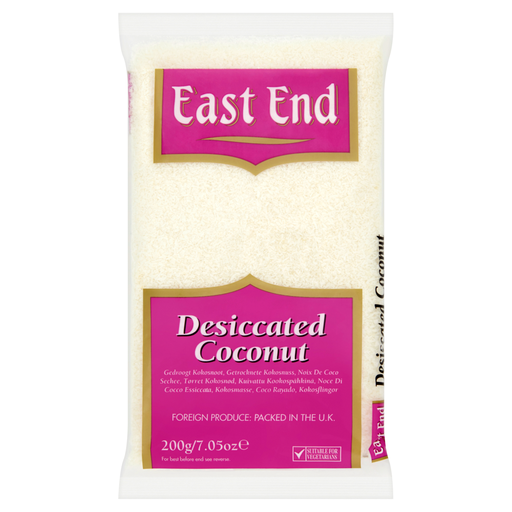 Image unavailable
A dry coconut option for a recipe calling for prepared coconut in baking or toppings. Check the pack’s texture, nutrition and allergen information against the recipe and the people eating it.
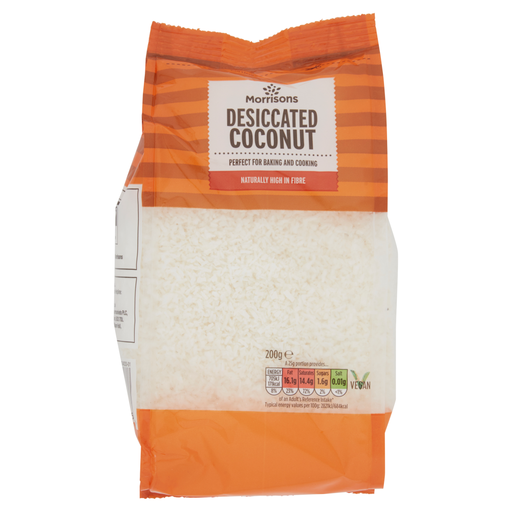 Image unavailable
A dry ingredient for recipes specifying desiccated coconut. If a fine topping texture matters, check the grate on the pack; read its current ingredients, allergen statements and nutrition before serving.
If you mean ready-prepared coconut to add to baking or use as a topping, look for desiccated coconut. Tesco Groceries lists desiccated coconut and coconut milk as distinct products; coconut milk is the liquid option for recipes that call for it.
Do not assume it can: a coconut drink is intended as a pourable beverage, while canned coconut milk is a cooking ingredient. Check what the recipe specifies, particularly if its texture depends on canned coconut milk.
Read the current pack’s ingredients, allergen statements and nutrition figures, then consider the amount used in the recipe. The NHS says food labels allow comparisons of fat, saturates, sugars and salt. If a coconut drink might be used as an infant’s main milk source, follow its specific age-related advice.
Follow the instructions on that can rather than applying one storage period to every coconut product. Sainsbury’s says to refrigerate its own-label canned coconut milk after opening and use it within three days.