
24/7 Customer Support

Free returns

Same-day & Next-day Delivery

Quality Guaranteed

Unlock Your Welcome Offers: FREE Delivery | Up to 80% OFF | Free 30-day JoyPlus trial
Download the APP
As a Joybuy Product Recommendation Officer, I see how the popularity of coconut snacks has grown across the UK. From the weekly shop to a special treat, the tropical appeal of coconut is undeniable. However, not all coconut-flavoured products are created equal. The market is filled with options that can be disappointing, often hiding behind appealing packaging.
Many shoppers find themselves let down by snacks that promise a rich coconut experience but deliver an artificial taste, or those that carry a "healthy" image while being packed with sugar. To help you navigate the choices, this guide breaks down the common pitfalls and highlights what to look for, ensuring your next purchase is a satisfying one.
To avoid disappointment, focus on a few core parameters. These details, found on the product label, are the most reliable indicators of quality and will help you match a snack to your preferences.
The most important step is to check what the snack is actually made of. For an authentic taste, look for products where real coconut is a primary ingredient, listed near the top.
Coconut is incredibly versatile, lending itself to a wide range of textures. Understanding the different types will help you find exactly what you're looking for.
Here are a few recommendations from our catalogue, matched to different tastes and preferences.
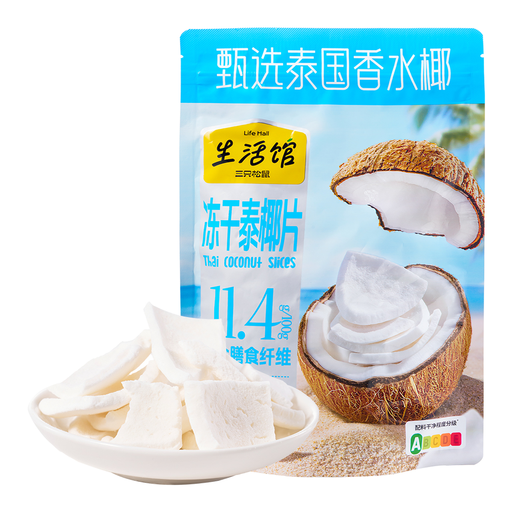
Why This Fits Their Persona: This is for the individual who wants to taste the coconut, and nothing else. It's a simple, clean snack ideal for adding to yoghurt, porridge or eating straight from the bag without worrying about a long list of additives.
It directly counters the "flavour trap" and "hidden sugar" issues. The ingredients are simply 97% coconut and 3% sugar, delivering an authentic taste without artificial flavours or excessive sweetness.
The freeze-drying process preserves the natural flavour and nutrients while creating a light, crispy texture. It is non-fried, making it a lighter choice.
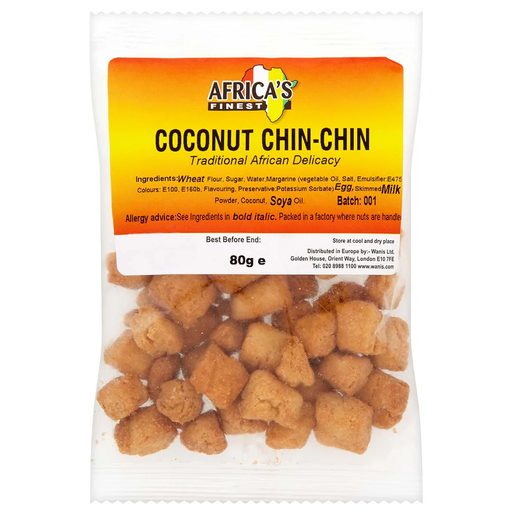
Why This Fits Their Persona: For those who enjoy trying authentic snacks from around the globe, this offers a taste of West Africa. It's a departure from typical biscuits and is perfect for sharing with friends over coffee or as a unique party snack.
This isn't a generic, mass-produced biscuit. It's an authentic African chin chin, a crunchy fried dough snack infused with real coconut, avoiding the trap of one-dimensional, artificially flavoured products.
It provides a unique textural experience—a satisfying, savoury crunch with a subtle sweetness from the coconut. It's a culturally rich snack that stands out from the usual options.

Why This Fits Their Persona: This is ideal for anyone following a gluten-free diet who doesn't want to compromise on taste or texture. It's a satisfying, chunky biscuit perfect for a cup of tea, offering a wholesome feel from the wholegrain oats.
It avoids the pitfall of high sugar content often found in sweet biscuits. According to the brand, it contains 35% less sugar than the average sweet gluten-free biscuit, making it a more balanced choice.
These gluten-free coconut biscuits are made with wholegrain oats, providing a source of fibre. The combination of dark chocolate and coconut offers a classic, indulgent flavour profile.
We have compiled a complete, real-time list of products that fully satisfy these strict selection criteria and UK safety regulations.
1. Are coconut snacks a healthy option? This depends entirely on the specific product. Snacks that are primarily composed of real coconut with minimal processing, such as freeze-dried coconut flakes with no added sugar, can be a good source of dietary fibre. However, many commercially produced coconut candy and biscuit products are high in sugar, saturated fats and calories. The key is to always read the ingredients list and nutritional information panel to make an informed choice.
2. How can I find vegan coconut desserts? Look for products that are explicitly labelled "vegan" or "dairy-free." Many authentic Thai coconut snacks, such as frozen ice sticks or coconut mochi, traditionally use coconut milk as their base instead of dairy, making them naturally suitable for a vegan diet. Always double-check the ingredients for hidden dairy derivatives like casein or whey.
3. What is the difference between coconut wafer rolls and Thai crispy rolls? While both are rolled, crispy snacks, their composition differs. Standard coconut wafer rolls are typically made from light, layered wheat-flour wafers with a sweet cream filling. In contrast, Thai crispy rolls (known as 'Thong Muan') are made from a batter of coconut milk, rice flour and tapioca starch. This batter is cooked into a thin sheet and rolled, resulting in a uniquely brittle, delicate and often more intensely coconut-flavoured snack.