
24/7 Customer Support

Free returns

Same-day & Next-day Delivery

Quality Guaranteed

Unlock Your Welcome Offers: FREE Delivery | Up to 80% OFF | Free 30-day JoyPlus trial
Download the APP
Coconut water is a convenient alternative to fizzy drinks and fruit juice, but not every carton or can offers the same ingredients, portion size or value. Labels can make a product appear more natural than it is, while large multipacks may be poor value if the drink is not used before opening.
The main buying traps are easy to overlook:
For 100% coconut water, the ingredients should generally list coconut water alone. Terms such as pure coconut water, natural coconut water and not from concentrate can help with comparison, but the ingredients list remains the most useful check.
Some products may contain permitted additions such as vitamin C, coconut flavour or fruit sugar. These are not automatically unsuitable, but they mean the drink is not identical to a single-ingredient product. For example, a coconut-flavoured drink may offer a tropical taste but contain sugar or sweeteners that are absent from pure coconut water.
If you are looking for a no added sugar coconut water, check both the ingredients and carbohydrate section. “No added sugar” does not mean sugar-free: naturally occurring coconut sugars can still be present.
Nutrition panels are easier to compare when every product is assessed per 100ml. Products in this selection typically provide around 19–36 kcal per 100ml, with little or no fat. However, carbohydrate and sugar values differ.
A 330ml serving may contain considerably more carbohydrate than the per-100ml figure suggests, so multiply the numbers by the pack size when comparing a coconut water 330ml can with a larger carton. A 1L carton can be convenient, but drinking the full carton is a much larger serving than a single can.
Coconut water naturally contains minerals such as potassium. It can be used as an electrolyte drink alongside normal food and fluids, but it should not be treated as a medical product or a replacement for professional advice.
Choose the format according to where and how you will drink it:
Also check the storage guidance. Grace Coconut Water Smooth 310ml should be transferred to an airtight container, refrigerated and consumed within 24 hours after opening. Foco 1L advises refrigeration and consumption within three days, while other products may specify a shorter or longer period. Always follow the packaging supplied with your order.
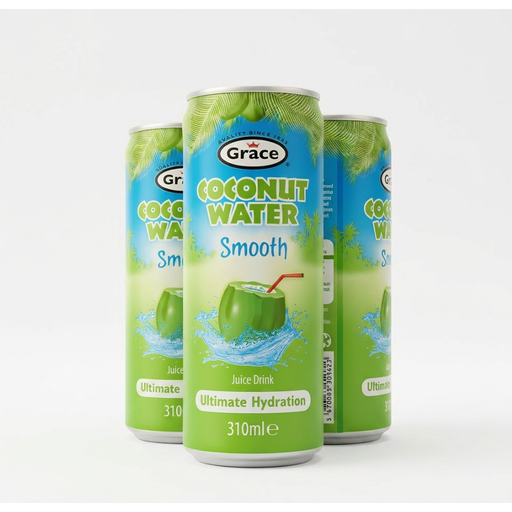
Why This Fits Their Persona: A three-can format lets first-time buyers try a smooth coconut water drink without committing to a large carton or household multipack. Each can is ready to drink and easy to chill.
The ingredients list states 100% coconut water, helping avoid fruit drinks or sweetened tropical beverages presented as pure coconut water.
310ml individual cans; approximately 36 kcal and 7.5g carbohydrate per 100g according to the supplied product information.

Why This Fits Their Persona: This single-serving option suits shoppers who prioritise a straightforward ingredient profile and a measured portion for work, travel or exercise days.
It specifies 100% coconut water, no added sugar and no preservatives or artificial flavours in the supplied product details.
330ml can; 19 kcal and 4.5g sugars per 100ml; suitable for vegetarians and vegans according to the product information.
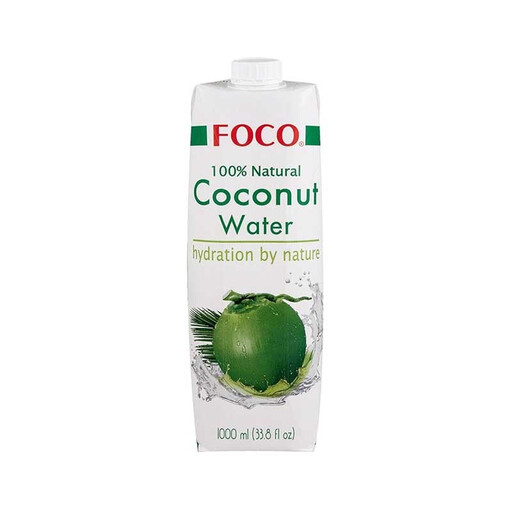
Why This Fits Their Persona: The 1L carton is suited to families, smoothie makers and regular drinkers who want a larger supply at home rather than several individual cans.
The supplied details identify 100% natural coconut water with no added sugar or artificial flavours, rather than a syrup-based tropical drink.
1L sharing format; 21 kcal and 5.0g sugars per 100ml; suitable for vegan and vegetarian diets according to the listing.
We have compiled a complete, real-time list of products that fully satisfy these strict selection criteria and UK safety regulations.
Serve coconut water chilled or over ice for a lighter tropical drink. It also works in smoothies with banana, mango or pineapple, and can replace some of the liquid in breakfast recipes. For Caribbean and Asian-inspired meals, a small amount can add subtle sweetness to sauces or blended drinks.
Keep unopened cans and cartons in a cool, dry place away from direct sunlight. Refrigerate opened products promptly and follow the stated consumption window. Do not consume damaged, swollen or leaking cans, and check allergen information where coconut or possible traces of other allergens are listed.
Coconut water contains naturally occurring electrolytes and can be included in post-workout hydration. However, the amount of fluid, carbohydrate and sodium needed varies with exercise intensity, duration and personal circumstances. For longer or more demanding sessions, compare the full nutrition label rather than assuming every coconut water drink provides the same composition.
Some products are made from 100% coconut water and contain no added sugar, but coconut water naturally contains sugars. Always check the ingredients and nutrition panel. Coconut-flavoured drinks, coconut gel drinks and fruit blends may contain added sugar or syrups.
There is no single lifespan for every product. Some cans advise consuming the contents within 24 hours, while cartons may allow two or three days when refrigerated. Follow the storage instructions on the specific packaging, keep it chilled after opening and discard it if the smell, colour or appearance changes.