
24/7 Customer Support

Free returns

Same-day & Next-day Delivery

Quality Guaranteed

Unlock Your Welcome Offers: FREE Delivery | Up to 80% OFF | Free 30-day JoyPlus trial
Download the APP
By Joybuy Product Recommendation Officer
Coconut water can be a convenient alternative to fizzy drinks, fruit juice and heavily flavoured sports beverages. However, the label on the front of a carton does not always tell the whole story. If you are buying a healthy hydration drink for the gym, commuting, travel or everyday use, a few details can make a noticeable difference to taste, sugar intake, convenience and value.
Some drinks use coconut flavouring alongside water, sweeteners or juice concentrates. These may still be refreshing, but they are not the same as 100% pure coconut water. Check the ingredients list rather than relying on phrases such as “tropical”, “natural” or “electrolyte drink”.
A short ingredients list reading coconut water (100%) provides a clearer indication of what you are purchasing.
Natural coconut water contains naturally occurring sugars. A product can contain no added sugar while still listing sugars in its nutrition table. For a fair comparison, check carbohydrates and sugars per 100ml, then consider the full bottle or carton size.
For example, a 1-litre carton can contain several servings, while a 320ml or 350ml bottle provides more straightforward portion control.
Large cartons can offer good value for home use, but they generally need refrigeration after opening and should be consumed within the stated timeframe. Single-serve cans or bottles are more practical for work, travel and post-workout use, although the cost per litre may be higher.
Always check the packaging for the best-before date and follow the storage instructions supplied with the product.
The clearest choice for shoppers seeking natural coconut water is a product with coconut water as the only ingredient. NFC coconut water means “not from concentrate”; it has not been concentrated and then reconstituted with water. This describes processing rather than a guarantee of superior taste or nutrition, so compare the complete label and storage details.
Products sourced from Thailand or other coconut-growing regions may have a naturally sweet, lightly nutty flavour. Taste can vary between batches, so a smaller pack may be sensible if you are trying a new variety.
Use the nutrition panel to compare drinks on a consistent basis:
A no-added-sugar product is not sugar-free if its sugars occur naturally in coconut water. This distinction is particularly relevant for people monitoring their overall sugar intake.
Coconut water naturally contains minerals, including potassium. Some labels provide specific mineral quantities, while others only list general nutrition information. Do not assume that every product has the same electrolyte profile.
Chaokoh, for example, lists 630mg of potassium per 330ml serving and 90mg of sodium per serving. Other products may provide less detailed mineral information. If electrolyte content is important for your routine, select a product with clearly stated figures rather than relying only on front-of-pack wording.
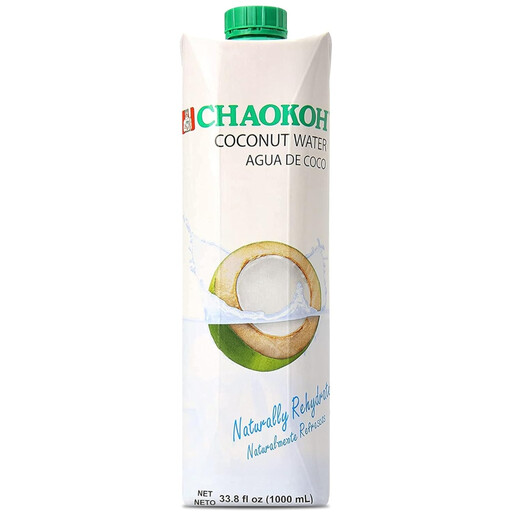
Why This Fits Their Persona: The 1-litre format suits shoppers who want a ready-to-drink coconut water for the fridge, smoothies or sharing at home.
The ingredient statement specifies 100% coconut water, with no added sugar, flavour enhancers, dyes or synthetic vitamins listed.
Thailand-sourced coconut water; 65kcal and 11g sugars per stated 330ml serving; refrigerate after opening and consume within 7 days.
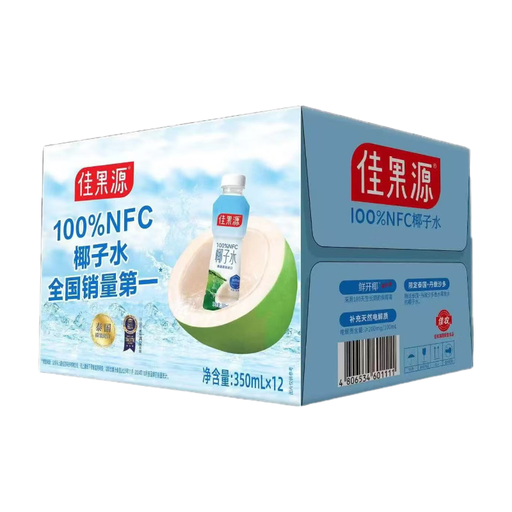
Why This Fits Their Persona: The 12-can multipack works for shoppers who prefer individual portions and want to keep several drinks available at home, work or in a gym bag.
The product is labelled 100% NFC coconut water with no added sugar or preservatives, helping avoid sweetened coconut juice drinks.
350ml individual cans; coconut water listed as the sole ingredient; 4.5g sugars per 100ml and 20kcal per 100ml.
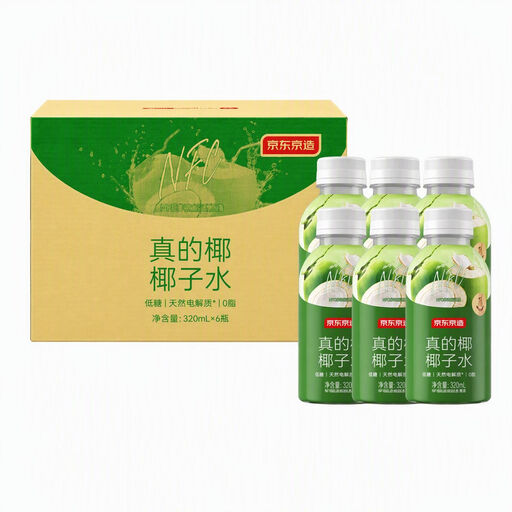
Why This Fits Their Persona: Compact 320ml bottles are suited to commuting, travel and drinking after exercise without opening a large carton.
It is labelled NFC coconut water (100%) with no added sucrose or fat, rather than a coconut-flavoured drink with a longer additives list.
Six 320ml bottles; 21kcal and 4.3g sugars per 100ml; ready to drink and designed for chilled serving.
We have compiled a complete, real-time list of products that fully satisfy these strict selection criteria and UK safety regulations.
It depends on the product and your overall diet. A 100% coconut water drink with no added sugar avoids added sweeteners, but it still contains natural sugars. Compare the nutrition panel with your usual soft drink and check the serving size before choosing.
Follow the instructions on the individual product. Many large cartons should be refrigerated after opening and consumed within a stated period, while unopened products may be stored in a cool, dry place. Single-serve packs can be convenient because there is less opened product to store.
Coconut water provides fluid and naturally occurring minerals, including potassium in some products. However, mineral quantities vary, and it should not automatically be treated as a replacement for a specially formulated sports drink. For everyday hydration, choose according to ingredients, sugar content, portion size and taste preference.