Choose the operating system around the tools you must run: a MacBook Air is an option for a confirmed macOS-compatible workflow, while a Windows laptop makes more sense for Windows-first tools and a supported Docker Desktop and WSL setup. Then compare the exact memory, storage, keyboard and desk connections; an editor’s modest requirements do not represent a workload with containers, browsers and local services running together.
Who these choices suit
Windows developers using containers
If Docker Desktop, WSL 2 or Dev Containers are part of your work, check the required Windows and WSL versions as well as the memory needed when your editor, browser and containers run together. Docker documents the WSL 2 backend; the editor’s requirements alone are not a useful guide to the whole workload.
macOS-first home-office coders
If your required tools work on macOS and Apple silicon, a MacBook Air offers a compact route to a desk setup. Check architecture-sensitive extensions and the monitor, cable and peripheral arrangement before settling on a configuration.
Developers needing a business configuration
If Windows Pro, an English (UK) keyboard, an anti-glare screen or particular support arrangements matter to your work, compare exact business-laptop part numbers rather than assuming those features apply across a model family.
What matters when choosing
Settle tool compatibility before comparing hardware. The distinction between a compact Windows laptop and a business configuration then comes down to the features your work and desk actually require.
MacBook Air with Apple silicon
Choose when: Your required tools work on macOS and you want a compact laptop for an external-display desk.
Trade-off: Microsoft notes that some native-code extensions may not work on ARMv8/AArch64 in certain Remote Development environments.
Compact Windows laptop
Choose when: Your tools are Windows-first and a smaller laptop matters alongside your home-office setup.
Trade-off: Confirm the selected build’s memory, ports and charging arrangement; a model-family name does not fix its configuration.
Windows business laptop
Choose when: A specified Windows Pro edition, UK keyboard or organisation-oriented support is part of the purchase decision.
Trade-off: Check those features against the exact part number and assess the display separately if colour-sensitive work is involved.
| Concern |
What to check |
Who this matters to |
| Tool compatibility |
Confirm the operating system and processor architecture required by your editor extensions, runtimes and workplace tools. |
If a required tool cannot run in my chosen setup, extra hardware capability will not fix the problem. Around 31% of consumers put workflow compatibility first. |
| Memory and multitasking |
Compare the exact RAM and SSD configuration with the editor, browser, local services and containers you expect to run together. |
With containers and other applications open at once, I need capacity for the whole workload, not just the editor. Memory and multitasking are the primary concern for around 31% of consumers. |
| Desk connectivity |
Check supported monitor combinations and how displays, wired devices and charging will share the available ports. |
My monitors and wired peripherals need to work together at the desk without relying on the shape of a USB-C socket as proof of compatibility. Around 23% of consumers place desk connectivity first. |
| Business configuration |
Check the precise keyboard layout, Windows edition, display finish and support terms for the part number being ordered. |
I need the specified work configuration, particularly its keyboard or managed Windows features, rather than a similar-looking variant. That is the main priority for around 15% of consumers. |
Buying pitfalls
-
Using VS Code’s requirements to size the whole laptop
Microsoft recommends 1GB of RAM for VS Code itself. That figure does not cover a browser, local database, Docker or WSL running alongside it.
List the applications and services you expect to run simultaneously, then choose the memory configuration for that combined workload.
-
Assuming a USB-C port settles the monitor setup
The M5 MacBook Air specification lists two Thunderbolt 4 ports and support for up to two external displays, subject to its documented display combinations. Port count alone does not establish that a particular arrangement of monitors and accessories will work.
Check monitor resolutions and refresh rates, cables, charging and wired peripherals against the laptop and any proposed dock.
A compatible dock, hub, cable or USB-C power-delivery monitor may be needed for the intended desk arrangement.
-
Choosing by model family rather than configuration
Memory, storage, keyboard, operating-system edition and support terms can differ between configurations carrying the same family name.
Keep the exact part number or configuration summary and compare those details with the item you are ordering.
-
Assuming every extension works on Apple silicon
Microsoft notes that some extensions containing compiled native code may not work on ARMv8/AArch64 in certain Remote Development environments. A compatible editor does not settle every dependency.
Confirm the extensions, language servers, containers and employer-required tools your workflow actually uses before choosing an ARM-based laptop.
Brands to consider for these workflows
Apple
A macOS and Apple-silicon option for developers whose tools are compatible and who want a compact laptop at a multi-display desk.
- Apple lists the M5 MacBook Air with 16GB unified memory as its starting configuration, two Thunderbolt 4 ports, MagSafe and support for up to two external displays under specified combinations.
- Check native-code dependencies and how the two Thunderbolt ports will accommodate your displays and wired accessories.
Dell
A compact Windows-laptop option for a workflow centred on Windows applications.
- Dell’s UK XPS 13 listing includes an Intel Core 5 320 configuration and specifies a 27–65W charging range.
- Select and check the exact RAM, SSD, display connections and charger arrangement rather than applying one configuration’s details to the range.
Lenovo
A business-laptop option when Windows Pro, an English (UK) keyboard and a conventional anti-glare work screen matter.
- Lenovo’s ThinkPad T14 Gen 6 configuration 21QC002KUK lists 16GB DDR5 SODIMM memory, a 512GB SSD and a backlit English (UK) keyboard.
- Check the precise display and support terms of the configuration being considered, particularly if work also involves colour-critical images or video.
Laptops for different workflows
These Joybuy laptops cover Windows and macOS choices for editing code at home, from larger built-in screens to compact MacBook Air configurations. Compare each exact variant with your required tools, memory workload and desk connections before choosing.
 No image available
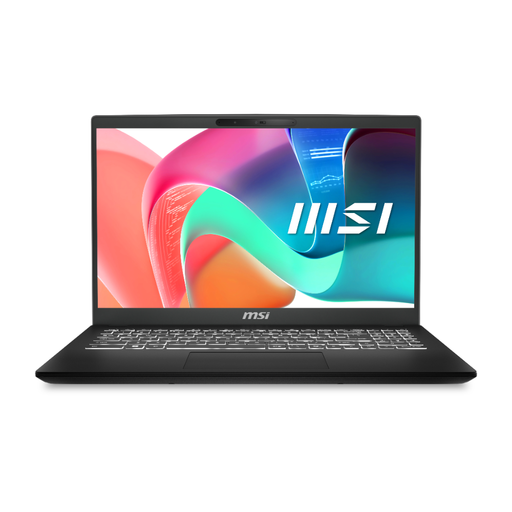
MSI Modern C2RMG-282UK, 9S7-15H431-282
Consider this configuration if a 15-inch laptop fits your coding workspace; check its operating-system edition and the connections required by your desk.
15-inch FHD display, Intel Core 5 processor, 16GB DDR IV RAM and 512GB SSD.
If Docker or WSL is essential, confirm the exact Windows requirements and whether the memory configuration meets your concurrent workload.
View on Joybuy
 No image available
Lenovo LOQ Essential 15ARP11, Ryzen 7 170
Consider this 15.6-inch configuration if a larger built-in screen and 1TB of local storage fit your home-office workflow.
16GB RAM, 1TB SSD, GeForce RTX 5050 and a 15.6-inch 144Hz FHD display.
Check the Windows and WSL requirements for your planned Docker setup, along with the monitor modes you need.
View on Joybuy
 No image available
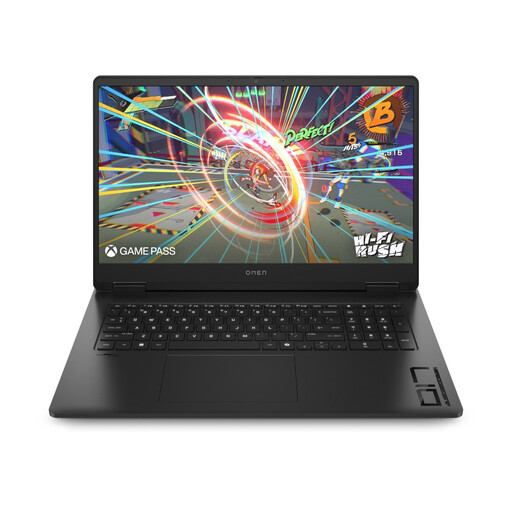
HP 17-db1000na, Ryzen AI 7 350
Consider the larger built-in display if the laptop will mainly stay at your home-office desk.
17-inch Full HD display, 16GB RAM, 1TB SSD, RTX 5060 and Windows 11 Home.
Confirm memory upgrade options if you expect heavier container workloads, and check external-display modes against your monitors.
View on Joybuy
 No image available
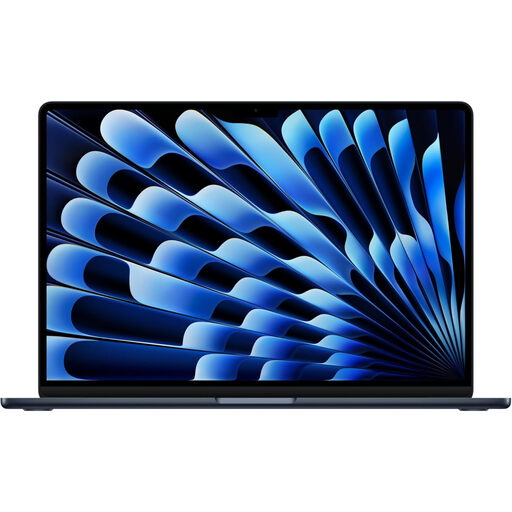
Apple 13-inch MacBook Air M5, 24GB, 1TB, Midnight
This configuration is relevant if your coding tools work on macOS and Apple silicon and you want a smaller laptop at your desk.
M5 chip with 10-core CPU and 10-core GPU, 24GB unified memory and 1TB SSD. Apple specifies two Thunderbolt 4 ports and support for up to two external displays for the M5 MacBook Air, subject to documented display combinations.
Confirm any native-code extensions and the cables or dock required for your particular monitors and peripherals.
View on Joybuy
 No image available
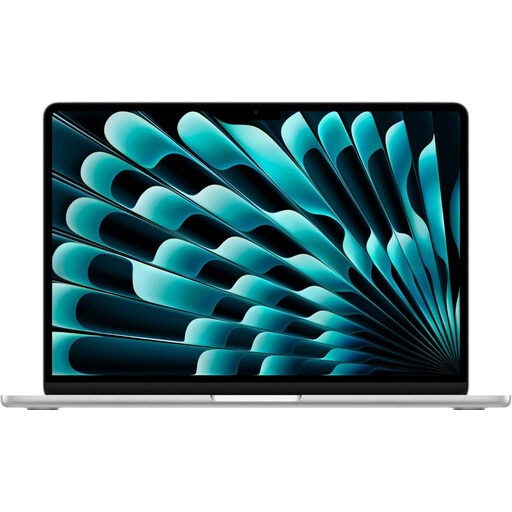
Apple 15-inch MacBook Air M5, 16GB, 1TB, Silver
This variant pairs a larger built-in screen with a macOS workflow, provided your required tools work on Apple silicon.
M5 chip with 10-core CPU and 10-core GPU, 16GB memory and 1TB SSD.
Check architecture-sensitive dependencies and confirm the exact monitor and port arrangement needed for your desk.
View on Joybuy
Common questions
Do I need a powerful laptop just to edit code in VS Code?
Not for VS Code alone: Microsoft describes it as lightweight and recommends a processor of at least 1.6GHz and 1GB of RAM for the editor. If you also run containers, browsers or local databases, size the laptop for those applications running together.
What should I check before using Docker Desktop on a Windows laptop?
Check that the laptop’s Windows edition and build, processor architecture and WSL version meet Docker’s requirements for your chosen backend. Docker documents WSL 2 as its default backend for most users and lists WSL 2 version 2.1.5 or later in its Windows requirements.
Can an M5 MacBook Air work with two external monitors?
Apple specifies support for up to two external displays on the M5 MacBook Air while its built-in display is in use, subject to documented resolution and refresh-rate combinations. Compare your monitors, cables and any dock with those combinations before ordering.


