Choose a laptop whose operating system and processor architecture work with your required development tools, then plan how it will connect to a raised-screen workstation. For prolonged laptop use, the Health and Safety Executive advises separating the keyboard and mouse so the screen can be elevated; a compact laptop does not remove that need.
Who is this for?
Coders building a fixed standing-desk setup
You spend long periods editing code at one desk and need to position the screen independently of the keyboard and mouse. The Health and Safety Executive recommends separate input devices for prolonged laptop use so the screen can be raised.
Developers with a required toolchain
Your containers, drivers, IDE extensions or employer software may determine which operating system and processor architecture you can use. Docker documents architecture requirements for container code, while Microsoft distinguishes application emulation from driver support on Windows on ARM.
Coders moving between work locations
You carry the laptop between desks but still need a workable connection to your screen and peripherals. Check the weight and connections of the exact configuration rather than choosing by screen size alone.
What matters when choosing?
Settle toolchain compatibility before comparing laptops within an operating-system route; then check how the chosen configuration fits your standing-desk equipment.
macOS on Apple silicon
Consider when: Your required tools are confirmed for macOS and ARM-based development.
Check: Docker says container code must match the host architecture unless emulation is used, so confirm your required images and native dependencies.
Windows on Intel or other x86 hardware
Consider when: Your work requires Windows-specific tools or an x86-64 development environment.
Check: Display, memory, ports and support terms on the exact laptop configuration; a processor route alone does not establish its desk suitability.
Windows on ARM
Consider when: Your editor, extensions and peripherals are documented or tested for that environment.
Check: Microsoft says Windows 11 on ARM emulates x86 and x64 user-mode applications, but kernel-mode drivers require native ARM64 versions.
| Concern |
What to check |
Who this matters to |
| Screen and desk setup |
Check the intended monitor or riser arrangement and the laptop's display connections. |
If I code at the standing desk for long stretches, I need to raise the screen without lifting the keyboard with it. Around 42% of consumers put that workstation need first. |
| Development-tool compatibility |
Confirm the required operating system, container images and any driver-dependent tools on the exact processor architecture. |
A required container or work device has to run in my chosen environment before portability matters. Compatibility is the primary concern for around 33% of consumers. |
| Moving between desks |
Compare the exact configuration's weight and how it reconnects to your desk equipment. |
When I work in more than one location, carrying the laptop and reconnecting it need to be manageable. Roughly 25% of consumers place that mobility need first. |
What should you avoid?
-
Choosing the laptop before planning the workstation
Raising a laptop's attached screen also raises its keyboard. For prolonged laptop use, the Health and Safety Executive advises a separate keyboard and mouse so the screen can sit on a riser or a separate display can be used.
Plan where the screen and input devices will go, then check the chosen laptop's monitor, dock and charging connections.
-
Assuming ARM and x86-64 workflows are interchangeable
Docker notes that container code needs a compatible host architecture unless emulation is used. Microsoft says Windows-on-ARM application emulation does not cover kernel-mode drivers.
Check each required container image, IDE extension, virtual machine and driver-dependent device before choosing an ARM laptop.
-
Assuming a USB-C dock will supply enough power
Charging requirements differ: Apple specifies a minimum of 30W for the researched MacBook Air M5, while Lenovo lists a 65W USB-C power supply for the researched ThinkPad X1 Carbon Gen 13 configuration.
Compare the dock or monitor's delivered USB-C power with the requirement for the exact laptop you intend to buy, alongside its display and peripheral connections.
Brands to consider
Apple
The 13-inch MacBook Air M5 is a macOS and Apple-silicon option when the required coding tools support that environment.
- Apple lists two Thunderbolt 4 ports and external-display support for the researched model.
- Check ARM-compatible containers and architecture-specific dependencies before moving an existing workflow.
Lenovo
The researched ThinkPad X1 Carbon Gen 13 Aura Edition configuration is a Windows 11 Pro option with a UK keyboard for work across locations.
- Lenovo lists 16GB memory, a 512GB SSD and a 65W USB-C power supply for that configuration.
- Check the display, ports and support package on the specific configuration selected.
Dell
The XPS 13 model DX13260 is a compact Windows option to assess against your coding tools and desk connections.
- Its compact format may suit a setup that moves between desks.
- Dell says a charger is not included with the researched model; confirm the selected configuration's connections and charging arrangements.
Joybuy laptop choices
These laptops cover several operating-system and desk-use scenarios. Start with the environment your code and work tools require, then compare each configuration with your screen and peripheral setup.
 No image available
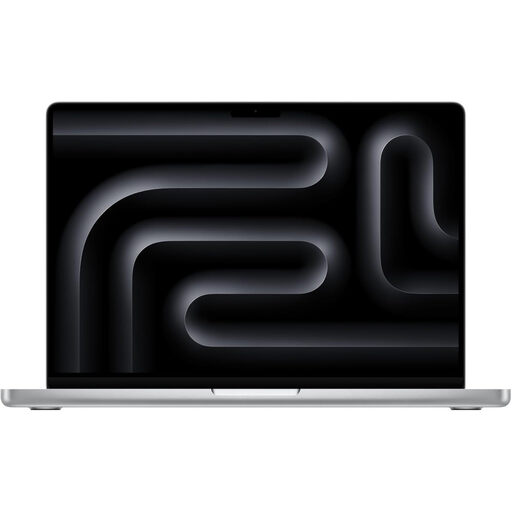
Apple MacBook Pro 14.2-inch M5 Pro, 18-core CPU/20-core GPU, 24GB/2TB, Silver
Consider this configuration if your required development tools support macOS and Apple silicon. Check your container images and other architecture-specific dependencies before choosing it for an existing workflow.
View on Joybuy
 No image available
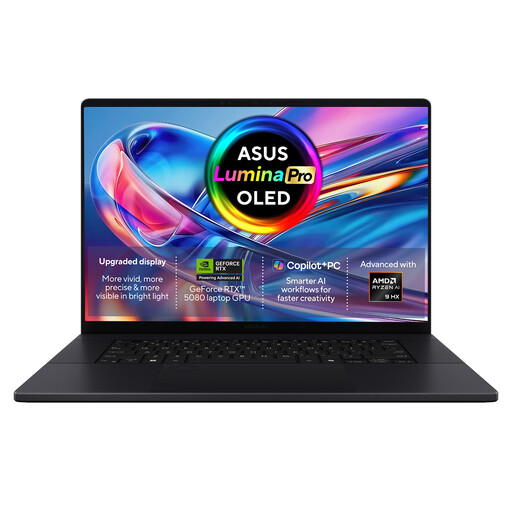
ASUS ProArt P16 H7606WW-SE006W, 16-inch 4K OLED, RTX 5080, 64GB/2TB, Black
Consider this Windows 11 Home configuration if its required tools and larger screen suit your work. It has a Ryzen AI 9 HX 370 processor and a GeForce RTX 5080 with 16GB; check your intended display and dock connections before arranging the desk.
View on Joybuy
 No image available
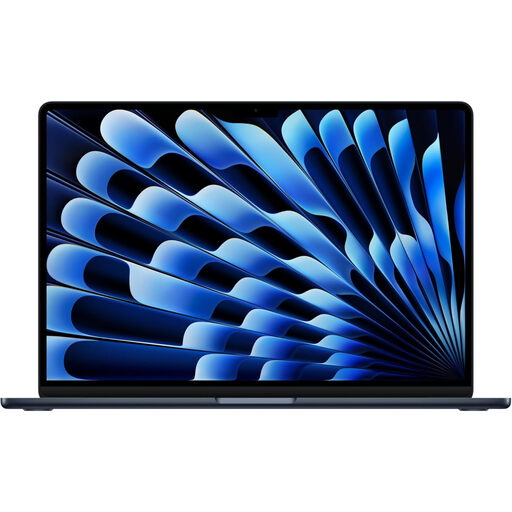
Apple 13-inch MacBook Air (2026) M5, 24GB/1TB, Midnight
Consider this 13-inch option if your toolchain supports macOS and Apple silicon and you want to move between desks. Apple documents two Thunderbolt 4 ports and external-display support for the M5 MacBook Air; check the connections your particular desk setup needs.
View on Joybuy
 No image available
Acer Chromebook Plus 514 CB514-5H, Core i3-1315U, 8GB/256GB, Iron
Consider this Chromebook only if your required coding tools fit its ChromeOS and Linux development environment. Its 14-inch WUXGA display is specified at 1920 × 1200; check whether the 8GB memory and your intended external-screen arrangement meet your needs.
View on Joybuy
 No image available
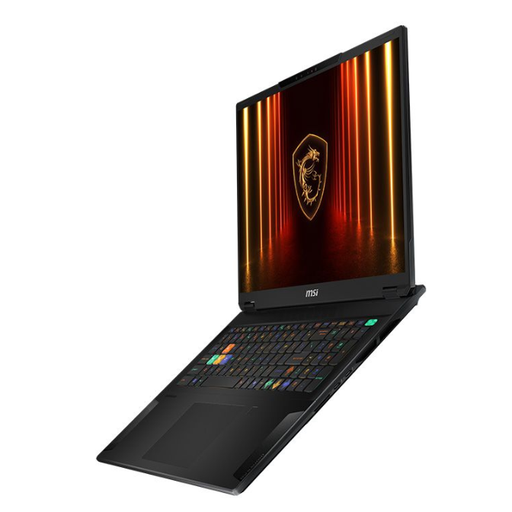
MSI Stealth 18 AI Studio A1VGG-001UK, Core Ultra 9, 32GB/2TB, Black
Consider this Windows configuration if an 18-inch laptop fits where you work and your required tools support it. The named configuration includes a GeForce RTX 4070; assess the space it needs on your standing desk and how often you will carry it.
View on Joybuy
Common questions
Can I use only the laptop for long coding sessions at a standing desk?
For prolonged laptop use, the Health and Safety Executive advises a separate keyboard and mouse so the screen can be raised on a riser, or the use of a separate display. Plan that arrangement alongside the laptop rather than relying on its attached screen and keyboard alone.
Will my existing x64 coding applications run on Windows on ARM?
Windows 11 on ARM can emulate x86 and x64 user-mode applications, according to Microsoft, but that does not establish compatibility for every part of a development setup. Kernel-mode drivers need native ARM64 versions, so check driver-dependent devices and tools individually.
Will my Docker containers work on an ARM laptop?
Not necessarily without changes: Docker says container code must be compatible with the host architecture unless emulation is used. Check whether the images your work requires have an ARM64 variant or whether your workflow permits emulation.


