Everyday dark-chocolate shoppers with coeliac disease
Check the current gluten statement and complete ingredient and allergen information each time you buy a familiar bar. A previous purchase does not tell you what the pack in front of you says now.


For coeliac shopping, choose dark chocolate by its product-specific gluten information, not by its cocoa percentage, dark-chocolate label or vegan status. Montezuma’s describes its 100% cocoa Absolute Black bar as free from gluten, while Lindt says its EXCELLENCE 70%, 85%, 90% and 99% bars are made without cereal or barley malt; check the current pack and its full allergen information before buying. Divine’s vegan 70% bar carries a “may contain gluten” statement, so it should not be treated as a gluten-free choice.
Check the current gluten statement and complete ingredient and allergen information each time you buy a familiar bar. A previous purchase does not tell you what the pack in front of you says now.
Use the stated cocoa percentage to choose between bars such as 74%, 90% and 100% cocoa, then assess gluten information separately. Cocoa strength does not establish gluten suitability.
Check the exact bar, assortment or gift box. A vegan description or a suitable-looking plain bar does not establish the allergen information for a different product from the same brand.
Start with the exact product’s gluten information, then compare cocoa percentage and any other allergens that matter to the person eating it.
| Priority | What to check | Your needs |
|---|---|---|
| Gluten assurance | Look for a product-specific gluten-free or free-from-gluten statement. Read the current ingredient and allergen information, including precautionary wording. | I want a clear signal for the bar I am buying, rather than an assumption based on its appearance. In Coeliac UK’s 2025 Shopping Habits survey, 74.7% of 3,785 member respondents said they trusted its Crossed Grain Trademark more than a gluten-free statement; that measures trust among those respondents, not dark-chocolate buying preferences. |
| Other allergens | Check the exact product for milk, nuts, peanuts, soya and any other allergens relevant to the recipient. A gluten statement does not settle these separate questions. | If I am buying for someone with another allergy, I need to check that too. Montezuma’s describes Absolute Black as free from gluten but declares possible milk, nut and peanut traces. |
| Cocoa strength | Compare the percentage on the exact bar: the products discussed here include 74%, 90% and 100% cocoa options. Check gluten information independently of that figure. | I can choose a cocoa level that appeals to me without treating a higher percentage as evidence that the chocolate is gluten-free. |
| Pack and serving | Read the received pack, even if you checked an online listing. Keep the chocolate away from crumbs and use clean utensils when serving it. | When chocolate is shared at home, I want the product information to be current and the bar to stay separate from gluten-containing food. |
Those descriptions do not establish a product’s gluten information. Divine’s vegan 70% Dark Chocolate, for example, says “may contain gluten”.
Read the exact bar’s current gluten statement and full allergen information before choosing it for someone with coeliac disease.
Recipes and allergen statements can differ between plain bars, filled chocolates and assortments. Lindt identifies specific EXCELLENCE cocoa percentages as made without cereal or barley malt, not every Lindt product.
Match the product name and cocoa percentage to the pack you intend to buy, and check its current allergen panel.
A bar described as free from gluten can still carry precautionary statements for other allergens, which matter when buying for someone with more than one restriction.
Check each relevant allergen separately on the exact product, particularly when buying a gift.
M&S cautions that online ingredients and allergen information can change. The received packet is the information to check before serving.
Read that packet and protect the chocolate from crumbs and shared-utensil contact. Coeliac UK advises using clean cutlery with shared foods such as spreads.
These examples describe named products or ranges, not a gluten-suitability judgement for every item a brand makes.
Montezuma’s describes Absolute Black as a 100% cocoa bar and FitzRoy as a 74% cocoa bar.
Lindt UK identifies its EXCELLENCE 70%, 85%, 90% and 99% bars as manufactured without cereal or barley malt.
Divine’s 70% Dark Chocolate is described by the manufacturer as vegan; Divine also describes itself as farmer co-owned.
Hotel Chocolat lists dark bars and other chocolate formats, including 70% and 85% options.
M&S provides online information for its dark chocolate, alongside a warning to check the product label.
This Joybuy listing is for a Lindt 90% cocoa dark bar. Check the current pack’s gluten and allergen information before deciding whether it meets your needs.
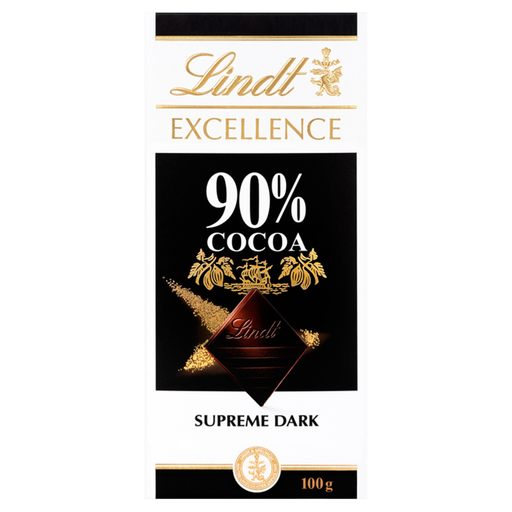 Image unavailable
For shoppers considering a high-cocoa Lindt bar, Lindt UK says its EXCELLENCE 90% product is manufactured without cereal or barley malt. That range statement is not a substitute for checking this bar’s current pack before buying it for someone with coeliac disease.
The listing identifies a 90% cocoa, 100g bar. Its product information lists possible hazelnuts, almonds, other nuts, milk and soya; check those warnings separately if relevant.
No. “Dark” and the cocoa percentage describe the chocolate, not its gluten suitability. Check the exact product’s current gluten statement, ingredients and precautionary information; Divine’s vegan 70% Dark Chocolate, for example, says “may contain gluten”.
Lindt UK says its EXCELLENCE 70%, 85%, 90% and 99% bars are manufactured without cereal or barley malt. Check the current pack of the particular bar before choosing it for coeliac shopping, as well as any separate allergen warnings; Lindt lists possible nuts, milk and soya for its 90% bar.
Not on the strength of a vegan description alone. Divine’s reviewed vegan 70% bar says “may contain gluten”, while Hotel Chocolat says its reviewed vegan assortment is made in a factory handling gluten and wheat. Check the exact product’s gluten information.
Yes. Read the label on the product you receive before eating or gifting it. M&S warns that online ingredient and allergen information may change and advises shoppers to check the product label.
Keep it away from gluten-containing food and avoid contact with crumbs or used utensils. Coeliac UK’s cross-contamination advice includes using clean cutlery with shared spreads and keeping food-preparation surfaces and utensils clean.